Acoustic Spray Technology: Meeting Riyadh’s Smart Building Standards for Vision 2030 Projects

Acoustic Spray Technology: Meeting Riyadh's Smart Building Standards for Vision 2030 Projects

Acoustic Spray Technology: Meeting Riyadh's Smart Building Standards for Vision 2030 Projects
Saudi Arabia’s Vision 2030 is transforming the Kingdom’s construction landscape, with smart buildings and sustainable development at the forefront of this revolution. Riyadh’s skyline reflects this transformation, as developers embrace cutting-edge technologies that deliver superior performance while supporting environmental goals. Among the most innovative solutions gaining traction is acoustic spray technology, a versatile soundproofing application that perfectly aligns with smart building requirements and sustainability objectives.

What is Acoustic Spray Technology?

Acoustic spray represents an advanced approach to sound absorption and thermal insulation. The technology involves applying specialized materials—typically cellulose-based or mineral fiber formulations—pneumatically onto ceilings, walls, and other surfaces. The result is a seamless, monolithic acoustic treatment that conforms to complex architectural geometries while providing excellent sound absorption properties.

Unlike traditional acoustic panels or tiles, acoustic spray creates continuous coverage without seams or joints where sound can leak through. This seamless application is particularly valuable in modern architectural designs featuring curved surfaces, irregular geometries, or exposed structural elements where conventional acoustic treatments prove challenging to install.

Aligning with Smart Building Standards

Riyadh’s smart building evolution emphasizes integrated performance—structures that optimize energy efficiency, occupant comfort, and operational intelligence through connected systems and high-performance materials. Acoustic spray technology supports these objectives through multiple pathways.

The material’s thermal insulation properties complement acoustic performance, reducing HVAC energy consumption while controlling sound. This dual functionality aligns with smart building principles of multi-functional systems that maximize efficiency. When integrated with building management systems monitoring indoor environmental quality, acoustic spray installations contribute to comprehensive comfort optimization.

The technology’s compatibility with Building Information Modeling (BIM) workflows—increasingly standard in Saudi construction—enables precise specification and performance prediction during design phases. Digital modeling can simulate acoustic performance, allowing optimization before construction begins and ensuring outcomes meet smart building certification requirements.

Supporting Vision 2030’s Sustainability Goals

Vision 2030’s environmental commitments drive demand for sustainable construction materials and methods. Acoustic spray formulations address these requirements through several characteristics that position them as preferred solutions for environmentally conscious projects.

Many acoustic spray products utilize recycled content, particularly cellulose-based formulations derived from post-consumer paper products. This recycled material approach reduces environmental impact while delivering excellent acoustic performance. The manufacturing process typically requires less energy than conventional acoustic products, further reducing carbon footprint.

The material’s longevity contributes to sustainability. Unlike acoustic tiles that may require periodic replacement, properly applied acoustic spray maintains performance for decades, reducing long-term material consumption and waste generation. This durability aligns with circular economy principles increasingly emphasized in Saudi construction planning.

For projects pursuing green building certifications—growing priorities in Saudi Arabia’s quality-focused construction evolution—acoustic spray can contribute points toward LEED, WELL, or local sustainability frameworks through its environmental attributes and performance characteristics.

Fire Safety and Building Code Compliance

Saudi Arabia’s building codes emphasize fire safety, particularly in high-rise developments and public assembly spaces. Acoustic spray formulations are engineered to meet stringent fire resistance requirements, with many products achieving Class A fire ratings.

The material’s inorganic mineral fiber or treated cellulose composition resists combustion and limits flame spread—critical safety characteristics for commercial, hospitality, and residential applications. Unlike some acoustic treatments that may require additional fire-resistant barriers, quality acoustic spray products provide inherent fire protection while delivering acoustic performance.

This integrated fire safety-acoustic performance reduces system complexity and installation costs while ensuring compliance with Saudi building regulations. For developers navigating complex regulatory requirements across multiple project types, solutions like noise control products in Riyadh that combine performance attributes streamline specification and approval processes.

Applications Across Project Types

The versatility of acoustic spray technology supports diverse applications across Saudi Arabia’s varied construction portfolio:

Commercial Office Buildings: Open-plan offices benefit from spray-applied acoustic treatments that reduce reverberation and improve speech intelligibility without compromising modern aesthetic preferences for exposed ceilings and structural elements.

Educational Facilities: Schools and universities require controlled acoustic environments supporting effective teaching and learning. Acoustic spray provides cost-effective coverage across large ceiling areas while meeting safety requirements for occupied educational spaces.

Entertainment Venues: Theaters, conference centers, and entertainment facilities in developments like Qiddiya require sophisticated acoustic control. Spray technology conforms to complex architectural features while delivering precise acoustic characteristics.

Healthcare Facilities: Hospitals and medical centers benefit from acoustic spray’s seamless application that supports hygiene requirements while creating healing environments with controlled sound levels.

Industrial and Manufacturing: Factory environments require acoustic treatments that withstand demanding conditions. Durable spray formulations provide sound absorption while resisting moisture, temperature variations, and physical impacts.

Integration with Prefabrication and Modular Construction

Saudi Arabia’s construction sector increasingly embraces prefabrication and modular building methods to accelerate project delivery. Acoustic spray adapts well to these approaches, with controlled factory application ensuring consistent quality before modules arrive on-site.

This factory application environment enables precise quality control, uniform coverage, and optimal curing conditions, advantages that translate to superior field performance. The approach supports Akinco KSA and similar providers in delivering reliable acoustic solutions that meet international performance standards consistently.

Cost and Schedule Benefits

Beyond performance and sustainability advantages, acoustic spray offers practical benefits in cost and schedule management—critical factors in Saudi Arabia’s ambitious construction timelines.

Rapid application across large areas reduces labor costs and installation time compared to individually installed acoustic panels or tiles. Single-trade installation simplifies coordination and scheduling. The elimination of grid systems, panel handling, and precise alignment requirements that characterize traditional acoustic ceilings further accelerates project completion.

For fast-track projects common in Saudi construction, particularly those supporting specific event deadlines like Expo 2030 preparations, these schedule advantages can prove decisive in meeting critical milestones.

The Future of Smart Acoustic Solutions

As Riyadh and broader Saudi construction markets continue evolving toward smart, sustainable building standards, technologies like acoustic spray that combine performance, environmental responsibility, and practical advantages will define successful projects. The integration of soundproofing in Saudi Arabia best practices with digital design tools and sustainability frameworks positions acoustic spray as a cornerstone solution for the Kingdom’s construction future.

FAQs

1. What is acoustic spray made from and is it safe?

Acoustic spray is typically made from cellulose fibers (recycled paper) or mineral wool, combined with binders and fire-retardant additives. Quality products are non-toxic, meet stringent safety standards, and achieve Class A fire ratings, making them safe for all building types including schools and healthcare facilities.

2. How does acoustic spray compare to acoustic panels in performance?

Acoustic spray typically provides comparable or superior sound absorption (NRC 0.70-0.85) while offering seamless coverage that eliminates acoustic gaps. It conforms to irregular surfaces better than panels and often costs less for large-area applications, though panels may be preferred for specific aesthetic requirements.

3. Can acoustic spray withstand Riyadh’s climate conditions?

Yes, quality acoustic spray formulations are engineered for durability in various climates. When applied to interior surfaces (its typical application), the material is protected from direct weather exposure. Some formulations include moisture-resistant properties for high-humidity environments.

4. How long does acoustic spray installation take?

Application speed depends on project size and complexity, but acoustic spray typically covers large areas quickly—often 500-1000 square meters per day with proper equipment and crew. This rapid installation significantly reduces schedule compared to individual panel installation.

5. Does acoustic spray require special maintenance?

Acoustic spray requires minimal maintenance. The material doesn’t sag, peel, or degrade under normal conditions. Cleaning is typically unnecessary, though light vacuuming can remove surface dust if needed. Properly applied acoustic spray maintains performance for the building’s lifetime without replacement.


How Acoustic Barrier MLV Solutions Support Saudi Arabia’s $1.7 Trillion Construction Boom in 2026

coustic-Barrier-MLV-for-Saudi-Arabia-Construction-Boom-2026

coustic-Barrier-MLV-for-Saudi-Arabia-Construction-Boom-2026Saudi Arabia’s construction sector is experiencing unprecedented growth, with over $1.7 trillion in active projects transforming the Kingdom’s infrastructure. From NEOM’s futuristic developments to Riyadh’s expanding hospitality sector, this construction boom demands innovative building solutions that meet international standards while accommodating accelerated timelines. Among the most effective technologies supporting this transformation is acoustic barrier MLV (Mass Loaded Vinyl)—a versatile soundproofing solution perfectly suited for Saudi Arabia’s ambitious construction landscape.

Understanding Acoustic Barrier MLV Technology

Mass Loaded Vinyl represents a revolutionary approach to noise control in modern construction. Unlike traditional soundproofing materials that rely on thickness and bulk, MLV achieves superior acoustic performance through dense, flexible vinyl sheets loaded with heavy minerals like barium sulfate or calcium carbonate. This unique composition creates an effective sound barrier while maintaining minimal thickness—a critical advantage in projects where space optimization is essential.

The material’s flexibility allows seamless installation across various applications, from wall assemblies and floor-ceiling systems to equipment enclosures and temporary construction barriers. For Saudi Arabia’s fast-paced construction environment, acoustic barrier MLV offers the perfect combination of performance, efficiency, and adaptability.

Supporting Saudi Arabia’s Mega-Project Requirements

The Kingdom’s mega-projects demand solutions that can scale rapidly without compromising quality. NEOM’s ambitious urban developments, Qiddiya’s entertainment complexes, and the New Murabba district all require sophisticated acoustic engineering to create comfortable living and working environments despite concentrated construction activity.

MLV technology excels in these applications because it integrates seamlessly with modern construction methodologies. Prefabricated wall panels can incorporate MLV layers in controlled factory environments, ensuring consistent quality while accelerating on-site installation. This approach aligns perfectly with Vision 2030’s emphasis on construction efficiency and international quality standards.

The material performs exceptionally well in Saudi Arabia’s extreme climate conditions. Unlike some acoustic materials that degrade under high temperatures or UV exposure, quality MLV products maintain their acoustic properties and structural integrity despite the Kingdom’s challenging environmental conditions.

Revolutionizing Hotel Construction

With over 315,000 hotel rooms planned by 2030, Saudi Arabia’s hospitality sector represents one of the largest growth opportunities in the region. International hotel brands demand acoustic performance standards (typically STC 55-60 between guest rooms) that challenge conventional construction timelines.

Acoustic barrier MLV provides the ideal solution for this challenge. Thin MLV layers added to standard wall assemblies significantly boost sound transmission class ratings without requiring thicker walls that consume valuable floor space. In high-rise hotel towers where every square meter impacts project economics, this space efficiency translates directly to improved returns.

The technology also supports acoustic separation between hotels and adjacent commercial spaces in mixed-use developments, increasingly common in Saudi urban planning. MLV barriers in floor-ceiling assemblies prevent low-frequency noise transmission from restaurants, nightclubs, or retail areas from disturbing hotel guests above.

Leading hospitality developers are incorporating noise control products in Riyadh projects to meet both guest expectations and international brand standards, with MLV featuring prominently in specifications.

Enhancing Residential Developments

Saudi Arabia’s growing population and urbanization drive massive residential construction, from luxury compounds to affordable housing projects. Modern residents expect acoustic comfort—protection from traffic noise, neighboring unit sounds, and mechanical system disturbances.

MLV technology addresses these requirements cost-effectively. Developers can achieve superior acoustic performance without the expense and complexity of double-stud walls or thick concrete barriers. This cost efficiency is particularly valuable in large-scale residential developments where acoustic solutions must be repeated across hundreds or thousands of units.

The material’s versatility supports diverse architectural designs. Whether creating acoustic barriers in traditional Saudi architectural styles or contemporary glass-and-steel towers, MLV adapts to varying construction approaches while maintaining consistent performance.

Commercial and Industrial Applications

Beyond residential and hospitality sectors, Saudi Arabia’s economic diversification drives commercial and industrial facility development. Office buildings, manufacturing plants, data centers, and logistics facilities all benefit from effective acoustic control.

MLV barriers around mechanical equipment rooms prevent HVAC noise from disrupting office environments. In industrial facilities, strategic MLV placement creates quieter work environments, supporting occupational health requirements while improving productivity. The material’s durability suits demanding industrial conditions where acoustic solutions must withstand vibration, temperature fluctuations, and occasional physical impacts.

Akinco KSA and similar providers are supporting these diverse applications with comprehensive MLV solutions tailored to specific project requirements, from material selection through installation and performance verification.

Integration with Modern Construction Technologies

The Kingdom’s embrace of Building Information Modeling (BIM) and digital construction planning creates opportunities for optimized acoustic design. MLV specifications integrate seamlessly into BIM workflows, allowing precise modeling of acoustic performance before construction begins.

This digital integration supports the quality-focused approach characterizing Saudi Arabia’s construction evolution. Projects can predict and verify acoustic performance through simulation, reducing risks and ensuring outcomes meet design intentions.

The compatibility between MLV technology and soundproofing in Saudi Arabia best practices positions this solution as a cornerstone of the Kingdom’s construction transformation, supporting both current projects and future developments as quality standards continue advancing.

Future-Proofing Saudi Construction

As Saudi Arabia’s construction sector matures beyond pure growth toward quality leadership, solutions like acoustic barrier MLV that deliver performance, efficiency, and reliability will define successful projects. The technology’s proven track record across global markets, combined with its suitability for Saudi conditions, ensures continued relevance as the Kingdom’s built environment evolves.

FAQs

1. What is acoustic barrier MLV and how does it work?

Acoustic barrier MLV (Mass Loaded Vinyl) is a dense, flexible soundproofing material that blocks sound transmission through mass rather than thickness. It contains heavy mineral fillers that create an effective sound barrier while remaining thin and easy to install in walls, floors, and ceilings.

2. How does MLV perform in Saudi Arabia’s extreme climate?

Quality MLV products are engineered to withstand high temperatures and maintain acoustic properties in extreme conditions. Unlike some materials that degrade under UV exposure or heat, MLV retains its flexibility and sound-blocking capabilities in Saudi Arabia’s climate when properly installed.

3. What STC rating can MLV achieve in hotel wall assemblies?

When properly incorporated into wall assemblies, MLV can help achieve STC ratings of 55-60 or higher—meeting international hospitality brand standards. The exact rating depends on the complete wall system design, including framing, insulation, and gypsum board layers.

4. Is MLV cost-effective compared to traditional soundproofing methods?

Yes, MLV typically offers superior cost-effectiveness because it achieves high acoustic performance without requiring thick, space-consuming wall assemblies. The material and installation costs are offset by space savings and faster installation times—critical factors in Saudi Arabia’s fast-paced construction environment.

5. Can MLV be used in both new construction and renovation projects?

Absolutely. MLV’s flexibility makes it ideal for both applications. In new construction, it integrates into wall and floor assemblies during initial building. For renovations, thin MLV layers can be added to existing structures without major space loss or structural modifications.

Villa Soundproofing in Riyadh: Your Complete Guide to Peaceful Living

villa soundproofing riyadh

Living in a luxury villa in Riyadh should mean peace and privacy. Yet many villa owners face unwanted noise that disrupts daily life. Traffic along King Fahd Road, nearby construction, and mechanical systems often affect comfort.

At Akinco KSA, we help homeowners create calm living spaces through professional villa soundproofing. This guide explains why soundproofing matters and how it can be done effectively in Riyadh.


Why Villa Soundproofing Matters in Riyadh

Riyadh’s rapid urban growth brings both opportunity and noise. Increased traffic, higher population density, and constant construction have made noise pollution a real concern for villa residents.

Modern Saudi villas often feature:

  • Open-plan layouts
  • Large glass windows
  • High ceilings

While these designs enhance light and space, they also allow sound to travel freely. Temperature extremes in Riyadh cause concrete and glass to expand and contract, creating gaps that allow noise to enter.

HVAC systems also run for long hours due to desert conditions. Without acoustic control, mechanical noise becomes a daily disturbance.


Common Noise Sources in Riyadh Villas

Understanding noise sources helps determine the right soundproofing solution.

External Noise

  • Traffic from King Fahd Road, King Abdullah Road, and King Khalid Road
  • Nearby construction projects
  • Neighborhood activity
  • Call to prayer, depending on villa location

Internal Noise

  • Home theaters and entertainment rooms
  • Kitchen appliances and water pumps
  • Air conditioning units
  • Multi-generational family activity

Structural Noise

Sound often travels through walls, floors, and ceilings rather than air. In two-story villas, footsteps, plumbing, and furniture movement commonly disturb lower floors.


Soundproofing Solutions for Riyadh Villas

Villa soundproofing must be customized for each home.

Wall Soundproofing

Walls are the primary defense against noise. We recommend multi-layer systems combining:

  • Absorption: Acoustic insulation inside wall cavities
  • Mass: Mass-loaded vinyl to block sound transmission
  • Decoupling: Structural separation to stop vibration transfer

For shared internal walls, double-stud construction offers excellent isolation. This works well between:

  • Bedrooms
  • Home offices and playrooms
  • Entertainment areas and living spaces

Ceiling and Floor Soundproofing

Multi-story villas need special floor-ceiling treatment.

Effective solutions include:

  • Acoustic underlayment under flooring to absorb impact noise
  • Floating floor systems to isolate vibration
  • Resilient ceiling channels to suspend ceilings and break sound paths

These treatments are essential when bedrooms sit below living rooms or entertainment spaces.

Window and Door Treatments

Windows are often the weakest point in villa soundproofing.

Recommended solutions:

  • Acoustic laminated glass with sound-dampening layers
  • Double glazing with optimized air gaps
  • Secondary glazing systems for added insulation

These solutions reduce noise while maintaining natural light and improving thermal comfort.

For doors:

  • Solid-core doors outperform hollow-core doors
  • Acoustic seals around frames and thresholds stop sound leakage

HVAC and Mechanical Noise Control

Air conditioning systems run continuously in Riyadh. Without treatment, they dominate indoor sound levels.

Our solutions include:

  • Acoustic duct lining to absorb airflow noise
  • Flexible duct connections to stop vibration transfer
  • Acoustic louvers for outdoor units to reduce compressor noise

Where possible, we recommend placing mechanical rooms away from bedrooms and living areas.

The Akinco KSA Soundproofing Approach

We begin with a detailed acoustic assessment of your villa. This includes:

  • Identifying noise sources
  • Measuring sound levels
  • Understanding your comfort goals

Based on this analysis, we design tailored solutions that suit your budget and interior style. Modern acoustic materials blend seamlessly with luxury finishes, including decorative panels and discreet window systems.

Our installation teams work efficiently and respectfully. Your home remains functional throughout the process.

Investing in Long-Term Comfort

Villa soundproofing is an investment in wellbeing and property value.

Benefits include:

  • Better sleep quality
  • Reduced stress
  • Improved focus for home offices

Costs depend on villa size, construction type, and desired noise reduction. Targeting key spaces such as master bedrooms can deliver significant improvements without treating the entire home.

Creating Your Quiet Sanctuary

Every family in Riyadh deserves a peaceful home. Professional soundproofing provides lasting comfort, whether you are building a new villa or renovating an existing one.

Akinco KSA delivers acoustic solutions designed specifically for Saudi Arabia’s climate and construction styles. Our experience with Riyadh villas ensures reliable, long-term results.

Book your villa acoustic assessment today and transform your home into the calm, quiet sanctuary your family deserves.

Library Acoustics in Riyadh: Creating Balanced Learning Environments

Library Acoustics in Riyadh: Creating Balanced Learning Environments

Libraries in Riyadh have seen major development over the past decade. Modern educational institutions and community libraries now function as active learning hubs. Students collaborate, researchers work intensively, and community members access digital resources.

This shift creates a key acoustic challenge. Libraries must support quiet study while also allowing collaborative activity within the same facility.

At Akinco KSA, we have worked on many library acoustic projects across Riyadh. Proper acoustic treatment transforms noisy, stressful environments into effective spaces for learning and research.

Understanding Library Acoustics in Riyadh’s Climate

Riyadh’s dry climate and extreme temperature variations affect acoustic design. Traditional Saudi building materials such as marble, concrete, and glass create highly reflective surfaces. Sound travels easily across these spaces, and even quiet conversations become disruptive.

Material selection is also influenced by dust and heat. Not all acoustic solutions perform well in Riyadh’s environment. Materials must withstand temperature changes while maintaining long-term sound absorption.

Years of local experience have shown us that climate-appropriate solutions are essential for lasting acoustic performance.

Effects of Poor Acoustics in Libraries

Research consistently shows that acoustic comfort directly affects learning outcomes. In poorly designed libraries, background noise can reach 50 decibels, making concentration difficult and causing mental fatigue.

Students preparing for exams report productivity drops of nearly 40 percent due to noise distractions. Researchers who require extended focus struggle when footsteps, conversations, and echoing spaces interrupt concentration.

Library staff also suffer. Constantly asking patrons to lower their voices leads to vocal strain, especially in spaces where sound naturally amplifies.

These issues are not minor inconveniences. They directly undermine the educational purpose of libraries in Riyadh.

Strategic Acoustic Zoning for Modern Libraries

Effective acoustic treatment begins with proper space planning. Akinco KSA strongly supports acoustic zoning to manage different noise levels across a library.

Silent Study Zones

Silent zones require the highest level of acoustic control. These areas are typically used for individual study and research.

Key requirements include:

  • Reverberation times below 0.6 seconds
  • High-performance ceiling acoustic panels
  • Wall-mounted absorption systems
  • Flooring that reduces footfall noise

Collaborative Zones

Group discussion and project work areas are designed for speech clarity rather than silence. The goal is to contain sound and prevent noise spread to quiet zones.

Solutions include:

  • Acoustic barriers
  • Sound-masking systems
  • Controlled placement of absorptive materials

Transition Areas

Corridors and buffer zones between silent and collaborative spaces are critical. Noise migration is reduced using:

  • Acoustic vestibules
  • Sound-dampening partitions
  • Treated corridors

This approach allows different activities to coexist without conflict.

Acoustic Material Selection for Riyadh Libraries

Material selection focuses on durability and performance in Riyadh’s conditions.

  • Fabric-covered fiberglass panels absorb sound across key frequencies
  • Dust-resistant, tightly woven fabrics maintain their appearance
  • Perforated wood acoustic panels add warmth and visual appeal

For ceilings, mineral fiber acoustic tiles with high CAC ratings are commonly recommended. These tiles reduce sound transmission between floors while absorbing noise within each space.

Large library halls with high ceilings require suspended acoustic baffles. These vertical elements prevent sound buildup and control excessive reverberation.

Controlling HVAC and Mechanical Noise

HVAC systems in Riyadh libraries operate continuously. Without proper design, they generate background noise that disrupts quiet environments.

Our strategies include:

  • Correct duct sizing to reduce air velocity noise
  • Acoustic duct lining
  • Vibration isolation for mechanical equipment

These measures address noise at the source instead of masking the problem.

Acoustic Testing and Performance Verification

Professional acoustic treatment must be measured and verified.

We begin with baseline acoustic testing to record existing conditions. These measurements identify reverberation patterns and problem frequencies.

Post-installation testing confirms that acoustic goals have been met. This ensures real, measurable improvement rather than cosmetic changes.

Cultural Considerations in Saudi Libraries

Library design in Riyadh must respect cultural norms. Different spaces have different acoustic needs, including:

  • Gender-segregated study areas
  • Prayer rooms
  • Family sections

Our experience across Saudi Arabia allows us to design solutions that meet cultural requirements without compromising acoustic performance.

Aesthetics are also important. Acoustic treatments are designed to integrate seamlessly with traditional and contemporary Saudi architectural styles.

Acoustic Treatment as an Investment in Education

Proper library acoustics represent a long-term investment in education infrastructure. Benefits include:

  • Improved academic performance
  • Higher researcher productivity
  • Better learning experiences

Libraries become true knowledge centres when sound supports, rather than disrupts, learning.

About Akinco KSA

Akinco KSA provides complete acoustic solutions for educational, commercial, and institutional buildings across Saudi Arabia. Our team combines international expertise with strong local knowledge in Riyadh and beyond.

Contact us to learn how professional acoustic treatment can transform your library into an ideal environment for study and research.

Gaming Room Soundproofing in Riyadh: Complete Guide for Gamers

Gaming Room Soundproofing in Riyadh

Riyadh has witnessed massive growth in the gaming industry over the last few years. As Saudi Vision 2030 places strong focus on entertainment and esports, more residents are investing in home gaming spaces.

At Akinco KSA, we have helped many gaming enthusiasts in Riyadh create acoustically optimized gaming rooms that preserve household harmony. This guide reflects our experience and explains why soundproofing matters and how to do it right.

The Importance of Gaming Room Soundproofing in Riyadh

Gaming generates high noise levels. Multiplayer matches, streaming sessions, and immersive single-player games can easily disturb family members and neighbors. This is especially relevant in Riyadh’s residential areas, where homes are close together or share walls.

Soundproofing serves two key purposes:

  • Prevents gaming noise from escaping the room
  • Blocks external sounds that interrupt focus

Together, these improvements significantly enhance the gaming experience.

For professional gamers and streamers, soundproofing is even more important. Microphones pick up background noise, reducing audio quality. Proper acoustic treatment ensures clean sound capture and supports a professional online presence.

Understanding Riyadh’s Unique Acoustic Challenges

Riyadh’s climate and construction methods create specific soundproofing challenges. Concrete walls and tiled surfaces reflect sound instead of absorbing it. This leads to echo and increased noise levels during gaming.

Extreme temperature changes also affect material performance. Soundproofing materials must withstand heat without degrading or releasing harmful substances. At Akinco KSA, we recommend only materials proven to perform reliably in Middle Eastern conditions.

Room sizes also vary widely. Villas often allow larger gaming rooms, while apartments require compact and efficient solutions. Each design is tailored to the available space and noise requirements.

Essential Soundproofing Elements for Gaming Rooms

Wall Treatment

Walls are the primary path for sound transmission. Acoustic panels reduce sound reflection inside the room, while mass-loaded vinyl barriers prevent noise from escaping.

A combined approach delivers the best results.

Standard acoustic foam provides basic absorption, but professional gaming setups require high-density panels capable of controlling low-frequency sounds such as explosions and bass-heavy soundtracks.


Ceiling Solutions

Sound travels upward easily, especially in multi-story homes. Ceiling acoustic panels help prevent gaming noise from disturbing upper floors.

Suspended acoustic ceiling systems add an air gap that improves sound isolation. Ceiling treatment is particularly important in apartments, where noise complaints from neighbors above are common.

Akinco KSA has resolved many such issues through proper ceiling soundproofing.

Door Upgrades

Standard doors allow significant sound leakage. Solid-core doors with acoustic sealing greatly improve isolation.

Additional measures include:

  • Door sweeps at the base
  • Weather stripping around frames

For maximum isolation, double-door entry systems create an airlock effect. While they require more space, they provide the highest level of sound control for professional gaming rooms.

Window Treatment

Windows are weak points in any soundproofing plan. Heavy acoustic curtains offer limited improvement, while secondary glazing or acoustic window inserts deliver better results.

These solutions also improve thermal insulation, which is beneficial in Riyadh’s hot climate.

Many gaming rooms do not require natural light. In such cases, fully sealing and treating windows provides maximum soundproofing and controlled lighting for gaming and streaming.

Floor Soundproofing Considerations

Floor treatment is especially important in apartments, where impact noise and vibration can disturb neighbors below.

Effective solutions include:

  • Acoustic underlayment beneath flooring or carpets
  • Thick padded area rugs for wheeled gaming chairs

Using acoustic underlayment with rugs enhances impact noise reduction and improves comfort.

Subwoofer isolation platforms prevent low-frequency vibrations from transmitting through the structure. These systems decouple speakers from floors using rubber or spring-based mechanisms.

Ventilation and Climate Control

Soundproofed rooms are sealed spaces and must be properly ventilated. Gaming equipment and occupants generate heat, making climate control essential.

Acoustic ventilation systems allow airflow without compromising sound isolation. Baffled ducts permit air movement while blocking sound transmission.

In Riyadh’s hot climate, combining acoustics with HVAC design is critical for year-round comfort.

Properly installed split AC units do not negatively affect soundproofing when isolation details are maintained. Cooling performance is also optimized to protect gaming equipment.

Professional Installation vs. DIY Solutions

Many gamers attempt DIY soundproofing using online tutorials and low-cost materials. While basic acoustic foam may improve room acoustics, true soundproofing requires professional assessment and installation.

At Akinco KSA, our experts:

  • Measure existing noise levels
  • Identify sound transmission paths
  • Design targeted solutions with measurable results

Incorrect installation, poor coverage, or mismatched materials can be costly and ineffective.

Investment and Long-Term Value

High-quality soundproofing is a long-term investment. Professionally treated gaming rooms add value to properties, especially as gaming culture continues to grow in Saudi Arabia.

Daily benefits include:

  • Reduced household noise conflicts
  • Freedom to game at any time
  • Improved audio quality and focus

These advantages often outweigh the initial cost.

Building Your Ideal Gaming Space

Gaming room soundproofing in Riyadh requires balancing acoustic performance, climate conditions, and budget.

At Akinco KSA, we have developed proven solutions for both casual gamers and professionals. Our experience across Riyadh’s residential properties allows us to recommend practical and effective soundproofing strategies.

Whether you are building a streaming studio or simply want to game without disturbing others, proper soundproofing can completely transform your gaming experience.

Contact Akinco KSA to schedule an acoustic assessment of your gaming space. Our team will provide honest recommendations based on your goals and budget, ensuring you invest wisely for soundproofing solutions that deliver lasting performance.

Transform Your Riyadh Fitness Center with Professional Acoustic Solutions

Transform Your Riyadh Fitness Center with Professional Acoustic Solutions

The fitness sector in Riyadh is growing rapidly. New gyms and fitness centers open across the city to meet rising health awareness. However, acoustics is often ignored. This directly affects member comfort, satisfaction, and retention.

Understanding the Acoustic Problems in Fitness Centres

Gyms face acoustic challenges unlike typical commercial spaces. Hard flooring, high ceilings, and constant activity create difficult sound conditions.

Common gym noise sources include:

  • Clanging weight plates on metal racks
  • Treadmills operating at different speeds
  • Loud music for group classes
  • Trainers coaching clients

These sounds reflect off concrete floors, mirrored walls, and bare ceilings. The result is excessive noise that tires members and staff.

Riyadh’s competitive fitness market depends on member experience. When noise levels are too high:

  • Members shorten workouts
  • Peak hours are avoided
  • Memberships are cancelled

The cost of proper acoustic treatment is often recovered through better retention and positive word-of-mouth.

Health and Safety Concerns

Excessive noise is not just uncomfortable. It is also a health risk.

The World Health Organization recommends recreational noise levels stay below 85 decibels. Many gyms in Riyadh exceed this during busy hours.

Long-term noise exposure can cause:

  • Stress
  • High blood pressure
  • Headaches

Poor acoustics also affect communication. Trainers struggle to give clear instructions. Group instructors raise their voices over music, leading to vocal strain and long-term damage.

Proper acoustic treatment shows care for member wellbeing. It also strengthens your brand as a health-focused facility.


Areas That Require Acoustic Treatment

Free Weight Zones

This is the loudest area in most gyms.
Noise comes from:

  • Dropping dumbbells
  • Racking barbells
  • Sliding weight plates

Akinco KSA installs acoustic wall panels around free weight areas. These absorb sound at the source. Acoustic ceiling treatments help stop noise from spreading to other zones.

Cardio Areas

Multiple treadmills, ellipticals, and rowing machines create constant background noise. This makes conversation and focus difficult.

Strategically placed acoustic baffles and ceiling clouds absorb this cumulative sound. Members can:

  • Watch screens comfortably
  • Listen to personal audio
  • Talk without shouting


Group Fitness Studios

These spaces need balanced acoustics.
They require:

  • Some reflection for even music distribution
  • Enough absorption to prevent echo

Proper studio acoustics ensure:

  • Clear instructor voice
  • Controlled sound levels
  • No noise leakage to nearby spaces

This also prevents complaints from neighboring businesses or residences.

Reception and Social Areas

These areas should feel calmer than the main gym floor. Members use them to:

  • Talk comfortably
  • Make phone calls
  • Rest after workouts

Acoustic separation from training zones improves overall experience and encourages members to stay longer.

Riyadh Climate Considerations

Riyadh’s climate demands durable acoustic solutions.
Key challenges include:

  • Summer temperatures above 45°C
  • Seasonal temperature fluctuations
  • Dust exposure

Akinco KSA uses materials designed for Saudi conditions. These systems perform consistently despite heat, humidity changes, and dust. Acoustic treatments must work year-round.

Material Selection for Fitness Environments

Gyms are tough on materials. Sweat and frequent cleaning with strong disinfectants can damage standard acoustic products.

We specify:

  • Moisture-resistant panels
  • Antimicrobial-treated acoustic materials
  • Easy-to-clean surfaces

These materials maintain sound absorption while meeting hygiene needs.

All Akinco KSA installations comply with Saudi building codes and fire safety regulations. Your investment remains protected.

The Business Case for Acoustic Investment

Acoustic treatment is a strategic investment, not an expense. The impact is felt immediately when members enter a well-designed space.

Based on Riyadh client feedback, post-renovation results include:

  • Higher member satisfaction
  • Longer average workout times
  • Lower membership cancellation rates

Quieter environments also appeal to older members and beginners.

Staff retention improves as well. Trainers and front desk teams experience less fatigue. A better work environment reduces turnover and maintains service quality.

Acoustic upgrades also support marketing. Premium gyms require premium experiences. Visitors instantly notice the difference between a noisy warehouse and a controlled training space.

Akinco KSA brings proven expertise in fitness facility acoustics to Riyadh’s growing wellness industry. We transform challenging acoustic environments into comfortable spaces where members achieve their fitness goals without the distraction and stress of excessive noise.

Stretch Fabric System: The Seamless Fusion of Acoustics and Design

Acoustic Stretch Fabric Stretch Fabric System

Stretch Fabric Systems
In the world of modern interior design and architecture, a fundamental conflict often arises: the battle between aesthetics and acoustics. We desire spaces that are visually stunning—open, minimalist, and full of clean lines and hard surfaces. Yet, these very designs often create harsh acoustic environments filled with distracting echoes and reverberation. For years, the solution involved compromise: installing bulky, unsightly acoustic panels that treated the sound but disrupted the design.

But what if you didn’t have to compromise? What if you could achieve flawless acoustics with a solution that was not only invisible but actually enhanced your design?

Enter the stretch fabric system. This sophisticated and versatile technology represents the pinnacle of integrated acoustic design. It’s a solution that offers superior sound control while providing a luxurious, seamless finish that can be customized to any interior. This guide will explore everything you need to know about stretched fabric acoustic wall systems and why they are transforming spaces across the globe.

What Exactly Is a Stretch Fabric System?

Unlike a standard pre-made acoustic panel that is simply hung on a wall, a stretch fabric system is a complete, site-installed solution. It is custom-built on-site to perfectly fit the specific dimensions of a wall or ceiling, creating a flawless, monolithic appearance.

The system consists of three core components that work in harmony:

  1. The Perimeter Track: A patented polymer tracking system is installed around the outer edge of the area to be treated. This track acts as a hidden frame, featuring a specialized “jaw” that will grip the fabric.
  2. The Acoustic Core: Inside the perimeter created by the track, a sound-absorbing core material is fitted. This is the heart of the system’s acoustic performance. The core is typically made from high-density fiberglass, mineral wool, or recycled PET felt, and its thickness and density can be specified to target specific acoustic goals.
  3. The Fabric Finish: A single, large piece of acoustically transparent fabric is stretched taut across the core and tucked securely into the track. This final layer is the only visible part of the system, providing a beautiful and seamless finish.

The result is a soft, sound-absorbing wall that looks like a perfectly upholstered surface. When sound waves in the room hit the stretch fabric wall, they pass through the breathable fabric and are trapped and dissipated by the acoustic core, preventing them from bouncing back into the room as echo.

The Unparalleled Advantages of a Stretch Fabric Wall System

The popularity of stretch fabric wall systems stems from their unique combination of aesthetic freedom, high performance, and incredible versatility.

1. Flawless Aesthetics and Complete Design Freedom

This is the most visually striking benefit. Because the system is built to the exact specifications of the surface, it can cover an entire wall from edge to edge, floor to ceiling, without a single seam.

  • Hide Imperfections: It can be installed over uneven or damaged walls, concealing imperfections and providing a perfect finish.
  • Integrate Technology: Outlets, light switches, speakers, and thermostats can be mounted flush within the system, making them appear to float on the fabric surface.
  • Endless Choices: With thousands of acoustically transparent fabrics available in countless colours, textures, and patterns, the design possibilities are limitless. You can even use custom-printed acoustic stretch fabric to create a stunning feature wall with logos, photography, or artwork.

2. Superior and Tunable Acoustic Performance

A stretched fabric acoustic wall system is not a one-size-fits-all solution. Its performance can be precisely engineered to meet the needs of the space. By varying the type, thickness (from 25mm to 100mm or more), and density of the acoustic core, acousticians can target specific sound frequencies, control reverberation time (RT60), and achieve optimal speech clarity. This makes it a far more powerful and precise tool than standard off-the-shelf panels.

3. Unmatched Versatility

The flexible tracking system allows it to be installed on virtually any surface.

  • Complex Shapes: It can easily follow curves, wrap around columns, fit into alcoves, and navigate complex architectural features.
  • Walls and Ceilings: The system is equally effective as a stretch wall fabric system or when applied to ceilings to create “acoustic lids” that control sound in large, open spaces.

Applications: Where Do Stretch Fabric Systems Shine?

The combination of high-end aesthetics and powerful acoustics makes stretch fabric systems the ideal choice for a wide range of demanding environments.

  • Corporate Boardrooms & Conference Rooms: Ensuring crystal-clear audio for important meetings and video calls.
  • High-End Home Theaters: Creating a truly immersive cinematic experience by eliminating flutter echo and sound reflections.
  • Recording Studios & Auditoriums: Providing the critically accurate listening environments required by professionals.
  • Hospitality & Fine Dining: Reducing the noisy clatter in restaurants and hotel lobbies to create a more relaxed and luxurious atmosphere for guests.
  • Educational Institutions: Enhancing speech intelligibility in lecture halls and libraries.

In rapidly developing regions with a focus on landmark architecture, such as Saudi Arabia, these systems are becoming the gold standard. The demand for high-performance acoustic wall panels in KSA is met perfectly by the seamless and premium finish of a stretch fabric installation, aligning with the vision for world-class corporate and public spaces.

Stretch Fabric Systems vs. Stretched Fabric Wall Panels

It’s important to clarify the difference between a full system and pre-made panels.

  • Stretched Fabric Wall Panels: These are pre-fabricated panels of a standard size, consisting of an acoustic core wrapped in fabric. They are then hung on the wall like a picture frame. While effective for smaller, targeted areas, they result in visible seams and offer less design integration.
  • Stretch Fabric Systems: These are fully integrated, custom-built solutions that offer a seamless, high-end finish. They are the superior choice for covering large or complex areas and achieving a truly professional and integrated look.

While stretched fabric wall panels can be a good solution for some applications, a full stretch fabric wall system operates on a different level of quality, performance, and aesthetic integration.

Conclusion: The Ultimate Investment in Your Space

A stretch fabric system is more than just an acoustic treatment; it’s an architectural finish. It is an investment in a space that not only sounds incredible but also looks and feels exceptional. By eliminating the need to choose between beautiful design and clear sound, these systems offer the best of both worlds.

For architects, designers, and property owners who refuse to compromise, the seamless beauty and powerful performance of a stretched fabric acoustic wall system is the definitive answer. It is the sound of perfect design.

MLV Barriers: The Secret to True Soundproofing

Mass Loaded Vinyl | MLV Barriers

MLV Barriers: The Secret to True Soundproofing
In our increasingly noisy world, finding a pocket of peace and quiet can feel like a luxury. Whether it’s the rumble of city traffic, the chatter from the next office, or the sound of your neighbour’s television, unwanted noise is a constant intrusion. When faced with this problem, many people turn to solutions like foam or thick curtains, only to be disappointed. The reason? They’re trying to absorb sound when they really need to
block it.

To truly stop sound in its tracks, you need a material designed for the job. Enter Mass Loaded Vinyl, the powerhouse material behind professional soundproofing. Often referred to as an acoustic vinyl barrier or simply MLV barriers, this unassuming product is the secret weapon used by acousticians and builders to create genuinely quiet spaces.

This guide will demystify MLV, explaining what it is, how it works, and how it can be used to build an effective acoustic barrier in any environment.

What Exactly is Mass Loaded Vinyl (MLV)?

Mass Loaded Vinyl is a high-density, flexible material engineered specifically for soundproofing. It’s a type of vinyl acoustic barrier that is made by impregnating a vinyl base with heavy, inert particles like barium sulfate or calcium carbonate. This process gives the material two critical properties for blocking sound:

  1. Mass: MLV is incredibly heavy for its thickness. A standard 1/8-inch (3mm) thick sheet can weigh over 1 pound per square foot (approx. 5 kg/m²). In the world of acoustics, mass is king. The heavier and denser a barrier is, the more difficult it is for sound vibrations to pass through it.
  2. Limpness (Flexibility): This is what makes MLV truly special. Unlike rigid materials like drywall or wood, which can vibrate and transmit sound energy (like a drum skin), MLV is limp and flexible. When sound waves hit it, the material’s flexibility helps to damp the vibrational energy, converting it into a tiny, imperceptible amount of heat. It acts as a dead stop for sound.

Think of it this way: a rigid acoustic wall might block some sound, but it can still carry the vibration through. An MLV barrier stops the vibration itself, providing a much higher level of sound isolation.

How Do MLV Barriers Actually Block Sound?

To understand how MLV works, you need to understand how sound travels through a wall. Sound is a vibration. When someone talks in the next room, the sound waves hit the wall, causing it to vibrate. This vibration travels through the wall studs and is then recreated as sound on your side.

An mlv barrier disrupts this process. Typically installed directly on the studs before the drywall goes up, it creates a decoupled, high-mass layer.

  • When sound hits the first layer of drywall, it starts to vibrate.
  • This vibration then meets the heavy, limp MLV barrier.
  • The MLV’s sheer mass reflects a significant amount of the sound energy right back.
  • Its limpness prevents the remaining vibrational energy from effectively passing through to the studs and the second layer of drywall.

The result is a dramatic reduction in sound transmission. The effectiveness of a material at blocking sound is measured by its Sound Transmission Class (STC) rating. A standard interior wall might have an STC of 33. Adding a layer of MLV can easily boost that wall’s performance to an STC of 50+, a level where loud speech is completely inaudible.

Key Applications: Where to Use an Acoustic Vinyl Barrier

The versatility of MLV makes it an ideal solution for a vast range of soundproofing projects, from residential to large-scale industrial systems.

Residential Soundproofing

  • Home Theaters: To contain the powerful sound of movies and create an immersive experience without disturbing the rest of the house.
  • Bedrooms & Nurseries: To block noise from traffic, neighbours, or other family members for a peaceful night’s sleep.
  • Floors/Ceilings: To reduce the sound of footsteps and impact noise from the floor above.
  • Home Studios: Essential for isolating recording spaces to capture clean audio and prevent sound from leaking out.

Commercial and Office Spaces

MLV is a perfect material for creating effective sound barriers for office environments where confidentiality and concentration are key.

  • Private Offices & Conference Rooms: To ensure conversations remain private and prevent outside chatter from becoming a distraction.
  • Healthcare Facilities: For patient rooms and consultation areas where privacy (HIPAA compliance) is critical.
  • Hotels: To provide guests with a quiet, isolated experience, free from noise from adjacent rooms or hallways.

Industrial and Mechanical Noise

  • Machinery Enclosures: Wrapping loud generators, pumps, or HVAC units in MLV can significantly reduce the noise they produce.
  • Ducts and Pipes: MLV can be used to wrap noisy ductwork and pipes to stop the noise from traveling throughout a building.
  • Noise Barrier Systems in UAE & Beyond: MLV is a core component in large-scale outdoor noise barrier systems, such as those used around construction sites, highways, or industrial plants in rapidly developing regions.

MLV vs. “Soundproof Panels” and “Acoustic Wall Panels”

There is a lot of confusion around acoustic terminology. It’s important to distinguish MLV from other products.

  • Acoustic Wall Panels: This term usually refers to fabric-wrapped panels designed for sound absorption (reducing echo within a room). They are not effective at blocking sound. While an acoustic panel for walls can improve a room’s sound quality, it won’t stop your neighbour’s music.
  • Soundproof Panels: This can be a misleading marketing term. Some soundproof panels are simply high-density absorptive panels. Others are composite panels that may contain a layer of MLV bonded to other materials like drywall.

The key takeaway is that MLV is the raw, high-performance material that serves as the engine of a soundproof system. It’s the ingredient you add to an acoustic wall assembly to give it true sound-blocking power.

Conclusion: Your Most Powerful Tool for Quiet

When it comes to serious soundproofing, Mass Loaded Vinyl is an unparalleled solution. Its unique combination of high mass and limp flexibility allows it to block sound far more effectively than other materials of a similar thickness.

Whether you’re building a state-of-the-art recording studio, creating confidential office spaces, or simply seeking refuge from a noisy world in your own home, an acoustic vinyl barrier is your most reliable and effective tool. By understanding how to properly use MLV barriers, you can move beyond simple sound absorption and build a truly soundproof environment.

Acoustic Consultants in Saudi Arabia : Best is Akinco (Akcoustic)

The Science of Silence: How Soundproof Specialists Create Tranquil Spaces | Acoustic Consultants in Saudi Arabia

Acoustic Consultants in Saudi Arabia : Best is Akinco
Saudi Arabia is in the midst of a breathtaking transformation. From the futuristic vision of NEOM to the bustling preparations for Riyadh Expo 2030, the Kingdom is a global hub of architectural innovation and ambitious development. As gleaming skyscrapers, luxury hotels, world-class entertainment venues, and smart cities rise from the desert, a critical, yet often overlooked, element will define their success:
sound.

In the race to build bigger and faster, the quality of a space’s acoustic environment can be forgotten. Yet, poor acoustics can undermine the very purpose of a building, leading to unproductive offices, unpleasant dining experiences, and a lack of privacy. This is where the expertise of an acoustic specialist becomes not just a luxury, but an absolute necessity. For any major project in the Kingdom, engaging professional noise consultants in KSA is a crucial step towards achieving true excellence.

The Unseen Challenge: Noise in Modern KSA Architecture

Modern design trends favour open-plan layouts, minimalist aesthetics, and hard surfaces like glass, marble, and polished concrete. While visually striking, these materials are highly reflective of sound. Without proper acoustic treatment, this can create a cacophony of noise.

Consider these common scenarios in Saudi Arabia:

  • The Bustling Corporate Office: In a large, open-plan office in Riyadh’s financial district, the constant chatter, phone calls, and keyboard clicks merge into a distracting hum, reducing productivity and increasing employee stress.
  • The Luxury Jeddah Restaurant: Diners at a high-end restaurant find themselves shouting to be heard over the clatter of cutlery and the conversations from other tables, ruining the intimate ambiance.
  • The High-End Residential Tower: Residents in a new apartment building can clearly hear their neighbours through the walls, leading to complaints and a diminished sense of privacy and comfort.

In every case, the root cause is a failure to manage sound. This is a complex challenge that requires more than just adding a few soft furnishings; it requires scientific analysis and expert engineering.

What Does an Acoustic Consultant Actually Do?

An acoustic consultant is a highly trained sound proof expert who blends the principles of physics, engineering, and design to control noise and shape the sound of a space. They are the architects of silence and the maestros of clarity. Their role goes far beyond simply recommending products.

A true acoustic specialist provides a comprehensive service that includes:

  1. Acoustic Analysis and Modelling: Using advanced software and sound-level meters, they measure and predict how sound will behave in a specific environment.
  2. Architectural Acoustic Design: They work alongside architects and designers from the initial planning stages to integrate acoustic principles into the building’s core design, advising on room shape, layout, and construction materials.
  3. Soundproofing and Isolation: They design strategies to block unwanted noise from entering or leaving a space. This is crucial for cinemas, recording studios, boardrooms, and residential buildings.
  4. Interior Acoustic Treatment: They create plans to absorb excess sound within a room, reducing echo and reverberation to improve speech clarity and overall comfort.

Akinco KSA: The Premier Acoustic Consultants in Saudi Arabia

When searching for acoustic consultants Saudi Arabia, one name consistently rises to the top for its expertise, comprehensive solutions, and deep understanding of the local market: Akinco KSA.

Akinco KSA is the best consultant in KSA because they provide a holistic, end-to-end solution. They don’t just identify the problem; they design, supply, and install the complete solution. Their team of engineers and designers understands the unique challenges and opportunities presented by projects within the Kingdom. From the grand scale of a new airport to the fine details of a private home theatre, Akinco KSA has established itself as the go-to sound proof expert.

Finding the Best Acoustic Panel Solutions in Saudi Arabia

A key tool in the consultant’s arsenal is the acoustic panel. However, not all panels are created equal. As the demand for solutions like acoustic panels in Riyadh and other major cities grows, it’s vital to choose the right type for the job.

Akinco KSA offers a vast range of the best acoustic panel solutions in Saudi Arabia, ensuring that performance is never compromised for aesthetics. These solutions include:

  • Fabric-Wrapped Acoustic Panels: Highly versatile and effective, these panels can be customized with a wide variety of colours and textures to seamlessly blend into any interior design.
  • Wooden Acoustic Panels: Offering a sophisticated and natural aesthetic, perforated or grooved wood panels provide excellent sound absorption while adding a touch of elegance.
  • PET Felt Acoustic Panels: Made from recycled materials, these panels are a sustainable and durable option, available in various shapes, sizes, and colours to create stunning visual features.
  • Custom-Printed Panels: Any high-resolution image or corporate branding can be printed onto acoustically transparent fabric, turning a functional necessity into a work of art.

The experts at Akinco KSA help clients navigate these options to select the perfect system that meets both the acoustic requirements and the design vision of the project.

Your Project Deserves an Acoustic Specialist

In the competitive landscape of Saudi Arabia’s development boom, the quality of the end-user experience is what will set a project apart. A visually stunning building that is acoustically uncomfortable is a failed investment.

Engaging a professional acoustic consultant like Akinco KSA from the outset is one of the smartest decisions a project manager or developer can make. It saves money on costly retrofits, enhances the building’s value and reputation, and ensures the space functions exactly as intended.

Don’t let noise undermine your vision. Build a future for Saudi Arabia that not only looks incredible but sounds exceptional too.

Ready to transform the acoustic environment of your space? Contact the expert team at Akinco KSA today for a comprehensive consultation.


The Ultimate Guide to Sound Insulation Panels: Acoustic Foam vs. Soundproofing

Soundproof Wall Panels | sound absorbing panels | Sound Insulation panels

Is noise invading your peace and quiet? Whether it’s the traffic outside your bedroom, your neighbour’s TV, or the distracting echo in your home office, unwanted sound is a common problem. When you search for a solution, you’re bombarded with terms: sound insulation panels, acoustic foam panels, soundproof foam, sound deadening panels. It’s a confusing landscape.

What’s the difference? Do you need to absorb sound or block it? Are acoustic foam panels the same as sound proof foam?

This guide is here to clear up the confusion. We will break down the different types of panels, explain the science behind how they work, and help you choose the perfect solution to reclaim your quiet.

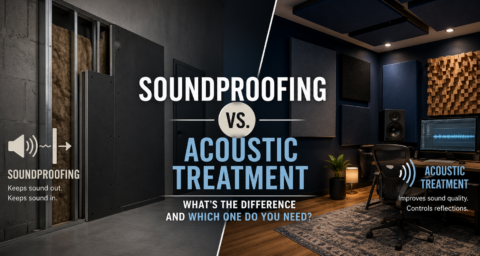
The Most Important Concept: Soundproofing vs. Sound Absorption

Before diving into specific products, you must understand this fundamental difference. Most people use the terms interchangeably, but in the world of acoustics, they mean two completely different things.

Sound Absorption (Acoustic Treatment)

Goal: To improve the sound quality inside a room.

How it works: Sound absorption uses soft, porous materials to soak up sound waves, primarily to reduce echo and reverberation. Think of it like placing sponges around a room to mop up spilled water. The sponges don’t stop water from getting in; they just control the mess inside.

Sound Insulation (Soundproofing)

Goal: To stop sound from traveling from one space to another.

How it works: Sound insulation uses heavy, dense, massive materials to create a barrier that blocks sound waves from passing through. This is like building a dam to stop water from entering an area. The goal is isolation.

Keywords: Sound insulation panels, sound deadening panels.

Understanding this distinction is the key. Buying acoustic foam to block your neighbour’s noise will lead to disappointment, just as lining a recording studio with dense rubber will do little to control echo.

A Deep Dive into Sound Absorbing Panels

If your problem is echo, poor speech clarity, or harsh sound reflections within a room, then you need sound absorption. These products are often called acoustic panels.

What Are They Made Of?

Sound absorbing panels are made from open-cell, porous materials. The most common types are:

  • Acoustic Foam Panels: This is what most people picture when they think of sound treatment. Typically made from polyurethane, an acoustic foam panel comes in various shapes like pyramids, wedges, and flats. The sculpted shapes increase the surface area, making them more effective at trapping sound waves, especially in the mid-to-high frequency range (like human speech and cymbals).
  • Fabric-Wrapped Panels: Considered a step-up in both performance and aesthetics, these panels consist of a dense core of mineral wool or fiberglass, wrapped in an acoustically transparent fabric. They are highly effective absorbers across a broader range of frequencies than standard foam and look much more professional.
  • Polyester (PET) Panels: Made from recycled plastics, these are rigid, durable panels that offer excellent sound absorption and come in many colours. They can be used as sound tiles or full wall coverings.

How Do They Work?

When a sound wave hits a soft acoustic foam panel or a fiberglass panel, it doesn’t bounce off. Instead, it enters the material’s open-cell structure. As the sound energy navigates through the complex pathways of the material, friction converts it into a minuscule amount of heat, effectively “deadening” the sound and stopping the reflection.

When Should You Use Them?

  • Home Recording Studios: To get clean, professional-sounding recordings without echo.
  • Home Theaters: To improve movie dialogue clarity and create an immersive sound experience.
  • Offices & Conference Rooms: To reduce chatter and make conversations easier to understand.
  • Restaurants & Cafes: To lower the overall noise level for a more pleasant dining atmosphere.
  • Living Rooms with High Ceilings: To tame the “cathedral effect” and make the space feel more intimate.

Exploring True Sound Insulation Panels

If your problem is noise from the outside world getting in, or noise from your room getting out, you need sound insulation. This requires mass and density.

What Are They Made Of?

Sound insulation panels are heavy and are designed to be a barrier. They are not the same as lightweight sound foam panels. Key materials include:

  • Mass Loaded Vinyl (MLV): This is the gold standard for soundproofing. MLV is a thin but incredibly heavy and flexible sheet of vinyl loaded with metal particles. It’s typically installed inside walls, ceilings, or floors during construction to add significant mass without taking up much space. It is a true sound deadening material.
  • Acoustic Gypsum Board (Soundproof Drywall): This looks like standard drywall but is much heavier. It’s constructed with multiple layers of gypsum sandwiching a layer of sound-damping compound, which converts sound energy into heat.
  • Composite Panels: These are engineered sound insulation panels that combine layers of different materials, such as a layer of MLV bonded to a layer of closed-cell foam. The foam acts as a decoupler to separate the mass from the structure, further improving its ability to block sound.

How Do They Work?

Sound travels as a vibration. To stop it, you need a barrier so heavy and dense that the sound energy can’t vibrate it. When sound waves hit a heavy material like MLV or acoustic drywall, most of the energy is reflected away. Very little energy is able to pass through to the other side.

When Should You Use Them?

  • Apartment Walls: To block the sound of your neighbours’ voices, music, or footsteps.
  • Roadside Homes: To reduce traffic noise from entering a bedroom or living room.
  • Drum Rooms or Band Practice Spaces: To keep loud music contained and not disturb the rest of the house.
  • Mechanical Rooms: To isolate the noise from loud machinery like HVAC units or generators.

The Big Myth: “Soundproof Foam”

Let’s address the most searched and most misunderstood term: soundproof foam. In 99% of cases, the product being marketed as sound proof foam is actually acoustic foam—the light, porous kind meant for sound absorption.

Lightweight, open-cell foam cannot block sound effectively. It lacks the essential ingredient for soundproofing: mass.

While some very dense, closed-cell foams have minor sound insulation properties, they are nowhere near as effective as dedicated materials like Mass Loaded Vinyl. If your goal is to block sound, do not buy the typical pyramid or wedge foam panels. You need mass, not just texture.

Conclusion: Choosing the Right Panel for Your Noise Problem

Now that you understand the difference, choosing the right solution is simple. Ask yourself one question:

“Am I trying to fix the sound inside my room, or am I trying to block sound from entering or leaving my room?”

  • If your answer is “inside the room” (echo, poor clarity), you need SOUND ABSORBING PANELS like acoustic foam panels, fabric-wrapped panels, or acoustic tiles.
  • If your answer is “entering or leaving the room” (neighbours, traffic), you need SOUND INSULATION PANELS and materials like Mass Loaded Vinyl and acoustic drywall.

By identifying your specific problem, you can confidently select the right product and finally achieve the peace and quiet you’ve been looking for.