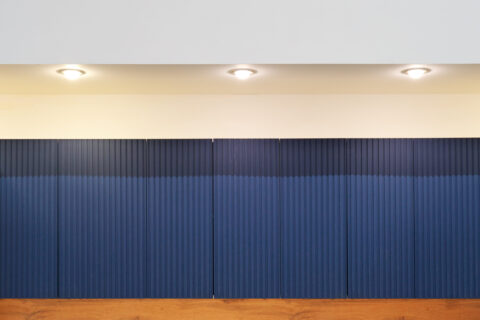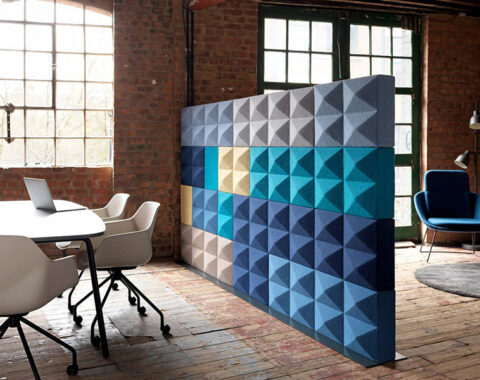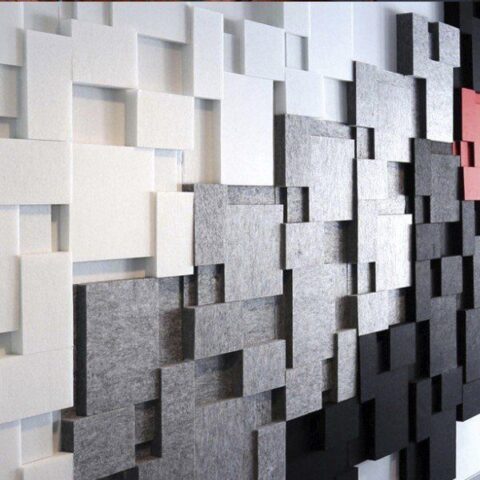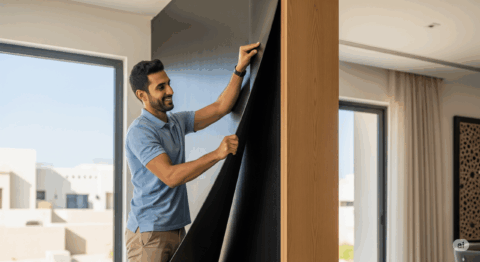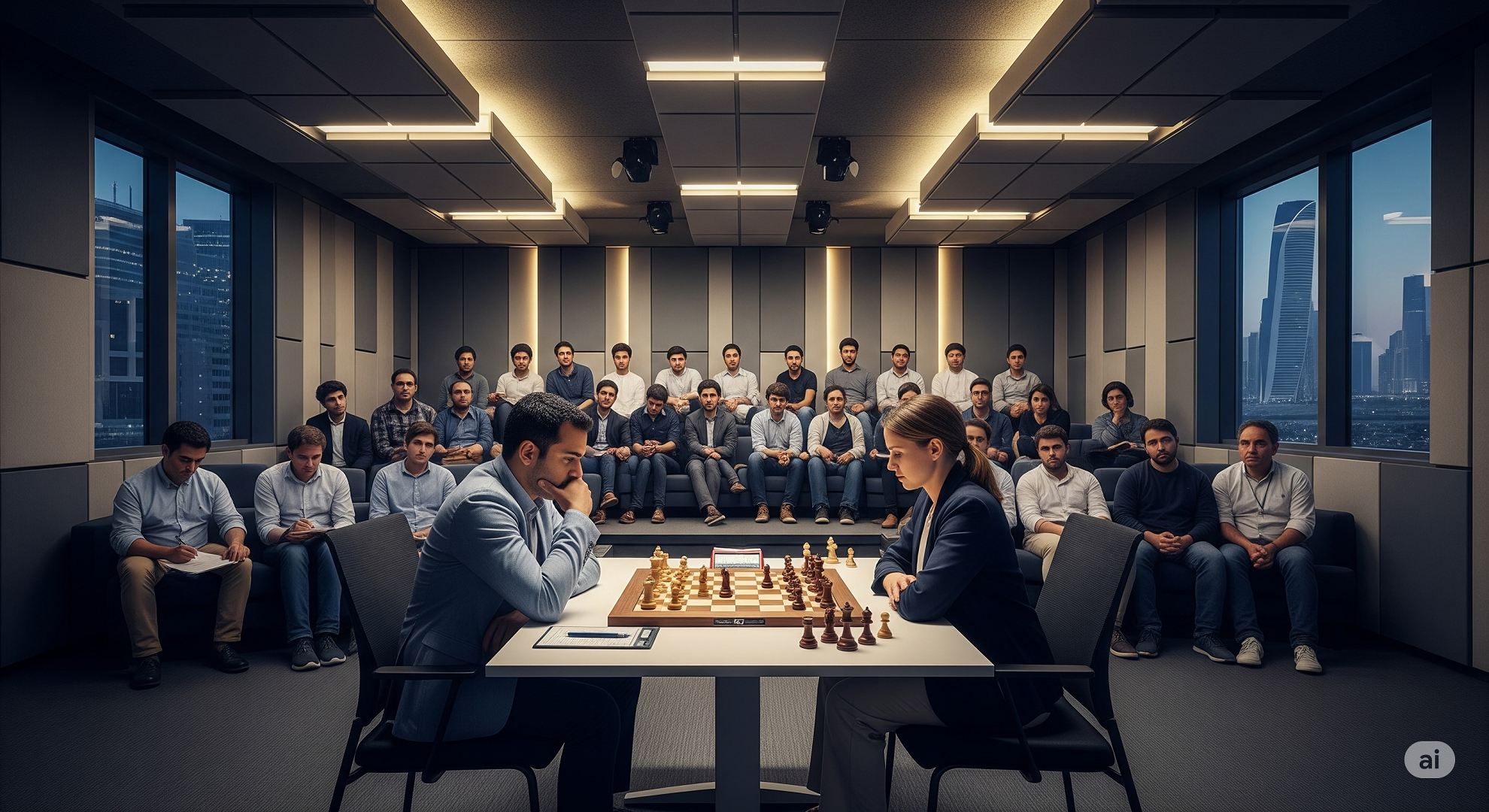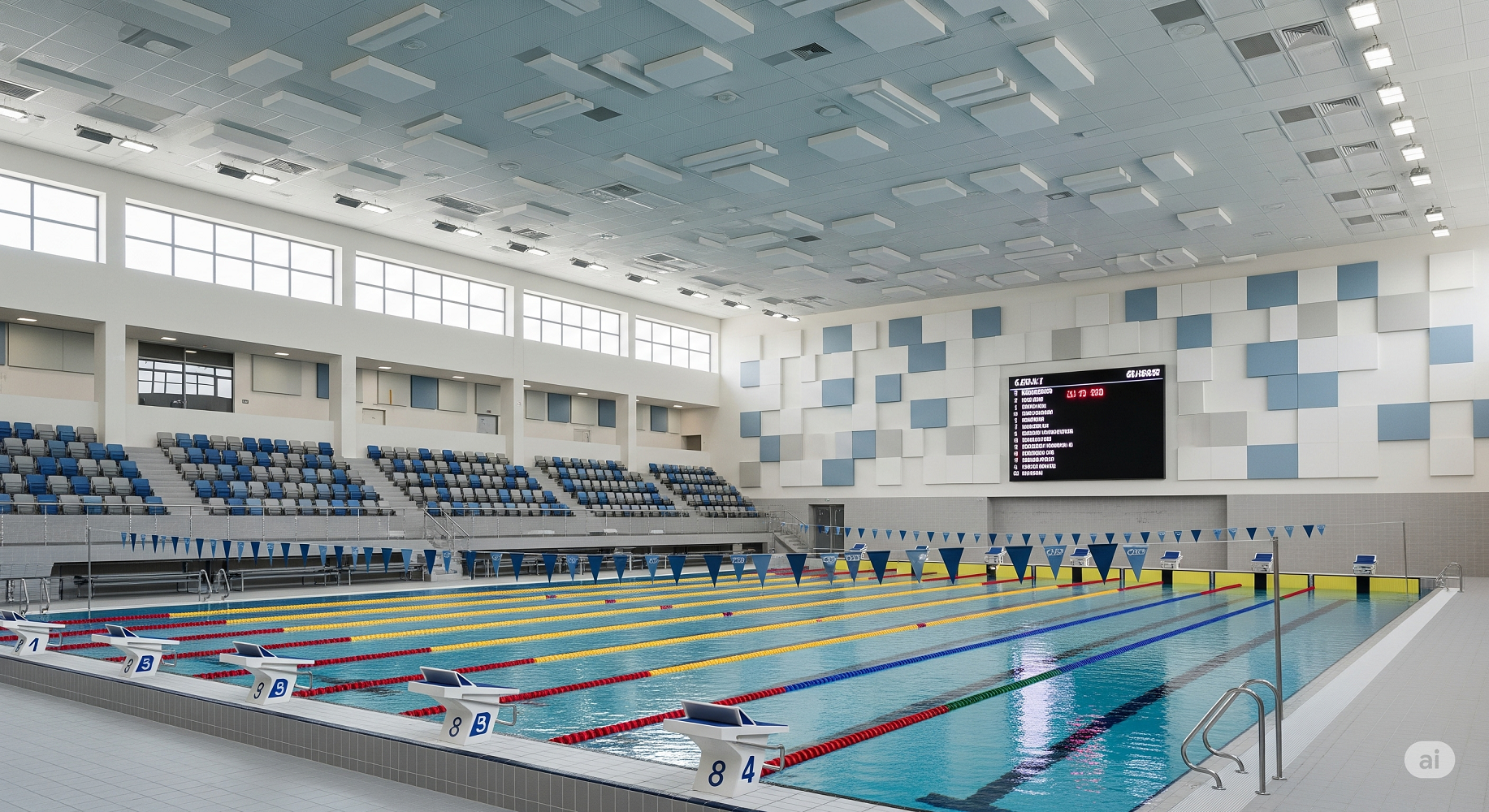
Use Sustainable Acoustical Products and Earn LEED Credits (Acoustic Polyester Panels)

Polyester Acoustic Panels | Acoustic Polyester Panels

Acoustic Polyester Panels are Grate for Leed Credits.
Riyadh, a city rapidly evolving with ambitious development projects, is not just building upwards but also striving to build smarter and more sustainably. As the Kingdom of Saudi Arabia embraces its Vision 2030, the focus on sustainable urban development is sharper than ever. A crucial, yet often underestimated, element in this green transformation is the intelligent integration of sustainable acoustical products, which not only enhance occupant well-being but also contribute significantly to earning valuable LEED (Leadership in Energy and Environmental Design) credits.

LEED, a globally recognized green building certification program, provides a framework for healthy, highly efficient, and cost-saving green buildings. For projects in Riyadh aiming for LEED certification – whether it’s for a new corporate headquarters, a bustling retail complex, or a serene healthcare facility – acoustic performance plays a vital role. In fact, the Indoor Environmental Quality (IEQ) category within LEED specifically rewards projects that prioritize acoustic comfort, recognizing that a truly sustainable building is one that fosters the health, productivity, and overall well-being of its occupants.

The Riyadh Advantage: Why Sustainable Acoustics Matter Here

The unique architectural landscape of Riyadh, often characterized by expansive, modern structures with hard surfaces like glass and concrete, can inadvertently create challenging acoustic environments. These spaces are prone to excessive reverberation, leading to:

  • Reduced Speech Intelligibility: In offices, this means miscommunication and frustration. In educational settings, it hinders learning.
  • Increased Stress and Fatigue: Constant noise pollution contributes to a less comfortable and more taxing environment.
  • Decreased Productivity: Distractions from echoes and noise can significantly impact focus and efficiency.

Beyond these immediate impacts, the materials used in acoustic solutions also have a significant environmental footprint. This is where the concept of “Sustainable Series Acoustical Products” becomes a game-changer for Riyadh’s green building initiatives. By choosing materials that are not only effective in sound absorption but also environmentally responsible, projects can achieve dual benefits: superior acoustic comfort and a reduced ecological impact.

Earning LEED Credits with Smart Acoustic Choices

Sustainable acoustical products contribute to LEED certification across several key categories:

  1. Indoor Environmental Quality (IEQ): This is where acoustic solutions truly shine. By implementing high-performance acoustic materials that reduce reverberation and control noise, projects can earn points for “Acoustic Performance.” This credit acknowledges the direct link between a well-managed sound environment and occupant comfort, health, and productivity. LEED for Schools and Healthcare often have specific prerequisites or enhanced credits for acoustics due to their critical nature.
  2. Materials and Resources (MR): This category rewards projects that select materials with reduced environmental impacts. Sustainable acoustic products often qualify for credits here through:
    • Recycled Content: Products made from post-consumer or pre-consumer recycled materials (like Acoustic Polyester Panels in KSA) significantly reduce waste going to landfills.
    • Regional Materials: Sourcing materials manufactured or extracted within a certain radius of the project site reduces transportation emissions and supports local economies.
    • Low-Emitting Materials: Choosing products with low volatile organic compound (VOC) emissions improves indoor air quality, which is another crucial aspect of IEQ.
    • Environmental Product Declarations (EPDs): Products with EPDs provide transparent, third-party verified information about their lifecycle environmental impacts, making it easier to select truly sustainable options.
  3. Innovation (IN): Projects that demonstrate exceptional performance or innovative strategies not specifically addressed in other credit categories can earn innovation points. Creative applications of sustainable acoustic solutions, such as integrating them into multi-functional architectural elements or pioneering new material combinations, can fall into this category.
  4. Energy and Atmosphere (EA): While primarily focused on energy efficiency, some acoustic products can indirectly contribute here. For example, certain materials can also offer thermal insulation, reducing the energy demand for heating and cooling. Additionally, highly reflective acoustic surfaces can sometimes reduce lighting requirements.

The Rise of Sustainable Acoustic Materials in Riyadh

Riyadh’s booming construction sector is increasingly seeking out materials that align with international sustainability standards. Among the most popular and effective “Sustainable Series Acoustical Products” gaining traction are:

  • PET Felt Panels (Acoustic Polyester Panels): These panels are a sustainability superstar. MadePolyester Acoustic Panels | Acoustic Polyester Panels from recycled polyethylene terephthalate (PET) plastic bottles, they divert significant waste from landfills. Beyond their eco-friendly origins, Acoustic Polyester Panels offer exceptional sound absorption, are lightweight, durable, highly versatile in design, and available in a wide spectrum of colors and shapes. Their non-toxic, low-VOC properties ensure superior indoor air quality, making them an ideal choice for offices, schools, and healthcare facilities aiming for LEED certification in Riyadh. Local suppliers are increasingly offering these innovative products, making them accessible for projects across the Kingdom.
  • Recycled Cotton or Cellulose Fiber Panels: Utilizing post-industrial or post-consumer cotton fibers, these panels offer excellent acoustic performance while providing a natural, fibrous aesthetic. They are often inherently fire-resistant and contribute positively to recycled content goals.
  • Wood Wool Acoustic Panels: Comprising wood fibers bonded with cement, these panels boastWood Wool Acoustic Panels | Acoustic Polyester Panels natural aesthetics, excellent sound absorption, and good thermal insulation properties. They are durable, breathable, and often made from sustainably sourced timber.

  • Fabrics from Recycled Content: Acoustic panels wrapped in fabrics made from recycled polyester or other sustainable fibers offer a blend of aesthetic versatility and environmental responsibility. This allows designers to create custom visual effects while still achieving high NRC ratings.

Greening Riyadh’s Buildings, One Sound Wave at a Time

The shift towards sustainable building practices in Riyadh is not just about aesthetics or compliance; it’s about creating healthier, more productive, and more resilient urban environments for the future. By strategically integrating acoustic solutions in Riyadh that prioritize sustainability, such as Acoustic Polyester Panels and PET Felt Panels in KSA, developers and designers can:

  • Enhance Occupant Experience: Create spaces where people feel more comfortable, focused, and less stressed.
  • Reduce Environmental Footprint: Minimize waste, conserve resources, and lower embodied carbon in building materials.
  • Achieve LEED Certification: Gain recognition for their commitment to green building and unlock potential incentives.
  • Improve Building Value: Sustainable, high-performance buildings often command higher market values and attract discerning tenants.

As Riyadh continues its ambitious journey of transformation, the quiet revolution of sustainable acoustical products is playing an increasingly vital role. It’s a testament to the fact that true progress in urban development isn’t just about what we see, but also about what we hear – and how we build, sustainably, for generations to come.


Elevate Your Riyadh Office: The Strategic Power of Acoustic Ceiling Treatments for Peak Performance

acoustic solutions in Riyadh

acoustic solutions in Riyadh
In the dynamic and rapidly evolving business landscape of Saudi Arabia, the modern office is more than just a workspace; it’s a hub of innovation, collaboration, and productivity. Yet, a crucial element often overlooked in even the most meticulously designed spaces is acoustics. Uncontrolled noise, echoes, and distractions can significantly undermine employee well-being, concentration, and ultimately, a company’s bottom line.

At Akinco KSA, we understand that creating an optimal working environment in Saudi Arabia’s bustling cities like Riyadh, Jeddah, and Dammam requires a holistic approach to sound management. While wall treatments are vital, the ceiling, being the largest uninterrupted surface in most offices, offers unparalleled potential for transformative acoustic solutions in Riyadh. By strategically implementing the right suspended ceiling treatments, businesses can convert noisy, reverberant spaces into calm, productive havens.

Why Acoustics are Non-Negotiable for Saudi Arabian Offices

The shift towards open-plan offices, prevalent in contemporary office design trends Saudi Arabia, while fostering collaboration, often comes at the cost of acoustic comfort. Hard surfaces like glass, tile, and concrete, common in modern Saudi architecture, reflect sound waves, leading to:

  • Excessive Reverberation (Echo): Conversations become muddled, and the general office buzz escalates into an irritating din.
  • Reduced Speech Intelligibility: Employees struggle to hear colleagues during discussions or phone calls, leading to frustration and miscommunication.
  • Privacy Concerns: Confidential conversations can easily be overheard, compromising sensitive information.
  • Decreased Focus and Productivity: Constant noise causes mental fatigue, reduces concentration, and significantly impacts task efficiency.
  • Employee Well-being: Prolonged exposure to high noise levels contributes to stress, headaches, and overall reduced job satisfaction.

Investing in soundproofing for offices in Riyadh and other KSA cities isn’t just about luxury; it’s a strategic investment in employee health, operational efficiency, and a positive brand image.

The Science Behind Quieter, More Productive Workspaces acoustic solutions in Riyadh

Acoustic ceiling treatments work by absorbing sound waves, preventing them from bouncing endlessly around a room. Unlike hard surfaces that reflect sound, specialized acoustic materials are designed with porous structures that trap sound energy, converting it into minute amounts of heat. This process effectively reduces reverberation time and lowers ambient noise levels.

The effectiveness of these materials is measured by their Noise Reduction Coefficient (NRC), a rating from 0 (no absorption) to 1 (complete absorption). When selecting sound absorbing materials for offices Saudi Arabia, a higher NRC indicates superior performance, crucial for creating truly effective office noise reduction solutions.

A Comprehensive Guide to Suspended Ceiling Treatments for KSA Businesses

Modern acoustic ceiling treatments offer a diverse range of products that blend high-performance sound absorption with sophisticated design, allowing you to transform your ceiling into both a functional and aesthetic asset.

  1. Acoustic Ceiling Tiles:
    These are the backbone of many commercial acoustics KSA projects. Designed to fit into standardAcoustic Ceiling Tiles | Acoustic Solutions in Riyadh suspended grid systems, modern acoustic ceiling tiles are far more advanced than their predecessors. Available in a vast array of materials such as mineral fiber, fiberglass, and increasingly, sustainable options like recycled content, they come in diverse textures, patterns, and colors.

    • Benefits: Cost-effective, easy to install and replace, offer good general sound absorption, and provide easy access to overhead utilities for maintenance.
    • Ideal for: General office areas, corridors, retail spaces, and educational institutions where functional acoustics and accessibility are key. Many local suppliers now offer high-quality acoustic ceiling tiles Jeddah and across the Kingdom.
  2. Acoustic Ceiling Panels / Clouds (Rafts / Canopies):
    Moving beyond traditional tiles, acoustic panels and clouds offer greater design flexibility andSoundproofing consultants in Riyadh | Acoustic Solutions in Riyadh targeted acoustic control.

    • Panels: Can be larger than tiles, come in various shapes (square, rectangular, circular, hexagonal), and can be mounted directly to the ceiling or suspended. They are often wrapped in premium fabrics, allowing for limitless customization with prints, patterns, and vibrant colors to complement interior branding.
    • Clouds (Rafts/Canopies): These are typically larger, horizontally suspended panels that create a powerful visual statement while providing highly effective localized sound absorption. They are excellent for defining zones within large open-plan offices, reducing noise directly above workstations, meeting areas, or reception desks.
    • Benefits: Superior acoustic performance, significant design versatility, visual impact, and targeted noise reduction.
    • Ideal for: Executive offices, meeting rooms, reception areas, open-plan offices, and any space where strong acoustic performance and a specific aesthetic are desired.
  3. Acoustic Ceiling Baffles:
    When a full suspended ceiling isn’t suitable, or where a more open, industrial aesthetic is preferred,

    Soundproofing foam spray | Acoustic Solutions in Riyadh
    Learn how acoustic baffle clouds help reduce noise, improve focus, and enhance productivity in offices and workspaces.

    acoustic ceiling baffles are an outstanding solution. These vertical panels hang perpendicular to the ceiling, maximizing the exposed surface area for sound absorption.

    • Benefits: Highly effective in large, high-ceiling spaces prone to excessive reverberation (e.g., gymnasiums, large open offices, industrial zones). They offer a modern, linear, architectural look.
    • Ideal for: Large open-plan offices, cafeterias, industrial spaces, educational facilities, and spaces where aesthetics lean towards a contemporary or exposed ceiling design.
  4. Integrated Acoustic Lighting Systems:
    A growing trend in modern office design is the seamless integration of acoustic treatment with lighting fixtures. This innovative approach reduces visual clutter and maximizes ceiling space.

    • Benefits: Streamlined aesthetic, dual functionality (illumination and sound absorption), space efficiency, and a sophisticated finish.
    • Ideal for: Contemporary offices, collaborative zones, and areas where integrated design is paramount.
  5. Perforated Metal Ceilings with Acoustic Backing:
    For a durable, sleek, and often industrial aesthetic, perforated metal ceilings provide excellent sound control when paired with an absorbent backing material.

    • Benefits: High durability, modern appearance, ease of cleaning, fire resistance, and good sound absorption when properly designed.
    • Ideal for: High-traffic areas, lobbies, modern commercial spaces, and areas requiring robust, long-lasting solutions.
  6. Sustainable Series Acoustical Products (e.g., PET Felt):
    As Saudi Arabia moves towards a greener future, the demand for sustainable materials is soaring. Acoustic solutions made from recycled content, particularly Polyester Acoustic Panels in Riyadh (often referred to as PET Felt Panels in KSA), are gaining immense popularity.

    • Benefits: Made from recycled plastic bottles, diverting waste from landfills. Offer excellent sound absorption, are lightweight, durable, non-toxic, and come in a vast array of colors and customizable shapes. Contribute significantly to LEED certification credits for green buildings in Riyadh and across the Kingdom (specifically in the Materials & Resources and Indoor Environmental Quality categories).
    • Ideal for: Any office committed to sustainability, aiming for LEED certification, or simply seeking healthier, eco-friendly interior environments.

The Akinco KSA Advantage: Your Partner for Acoustic Excellence in KSA

At Akinco KSA, we don’t just supply products; we provide comprehensive acoustic solutions in Riyadh, Jeddah, Dammam, and across Saudi Arabia. Our team of experts works closely with architects, interior designers, and facility managers to:

  • Assess Your Needs: Conduct thorough acoustic analyses of your office space to identify specific noise challenges.
  • Design Tailored Solutions: Propose customized combinations of suspended ceiling treatments and other acoustic products that align with your aesthetic vision and functional requirements.
  • Supply Premium Products: Offer a wide range of high-performance, certified acoustic materials, including the latest PET Felt Panels in KSA and other sustainable innovations.
  • Ensure Expert Installation: Our experienced installation teams ensure flawless execution, maximizing the effectiveness and longevity of your acoustic investment.

By choosing Akinco KSA, you are investing in a quieter, more productive, and more sustainable future for your Riyadh office. Don’t let noise be a barrier to your success. Contact us today to learn how our expert acoustic solutions in Riyadh can transform your workspace and elevate your business.


The Sound of Success: How to Create a Standard Acoustic Classroom in Riyadh

Soundproofing consultants in Riyadh

Akinco is the best Soundproofing consultants in Riyadh
Riyadh, a city experiencing unprecedented growth and innovation, is investing heavily in its future, and that future begins in its classrooms. As educational institutions expand and modernize across the Kingdom of Saudi Arabia, the focus rightly falls on providing students with the best possible learning environments. Yet, one critical element often overlooked in the pursuit of cutting-edge facilities is acoustics.

Imagine a classroom where every word from the teacher is clear, where group discussions are easily understood, and where external distractions fade into the background. This isn’t a luxury; it’s a fundamental requirement for effective learning and a key pillar of a truly modern educational infrastructure. At Akinco KSA ( Soundproofing consultants in Riyadh ), we believe that creating a standard acoustic classroom in Riyadh isn’t just an ideal – it’s an achievable and essential goal for every school in the Kingdom.
Soundproofing consultants in Riyadh

Why Acoustic Classrooms Are Essential for Riyadh’s Future

The typical classroom environment can be a breeding ground for acoustic challenges. High ceilings, hard surfaces, and the sheer number of occupants all contribute to:

  • Excessive Reverberation (Echo): Sound bounces repeatedly, making speech muddled and straining voices.
  • High Background Noise: Chatter from corridors, HVAC systems, or outdoor traffic (common in bustling urban areas like Riyadh) can significantly impede learning.
  • Reduced Speech Intelligibility: Students struggle to clearly hear instructions, lectures, or discussions, directly impacting comprehension and academic performance.
  • Teacher Vocal Strain: Educators often have to raise their voices to be heard, leading to fatigue and potential long-term vocal issues.
  • Student Engagement and Focus: A noisy environment increases cognitive load, making it harder for students to concentrate, especially those with hearing impairments or learning difficulties.

By establishing a standard acoustic classroom in Riyadh, schools can directly address these challenges, fostering an environment where students can thrive and teachers can teach effectively without undue strain. This aligns perfectly with Saudi Arabia’s Vision 2030, which emphasizes human capability development and creating a high-quality living environment.
Soundproofing consultants in Riyadh | Acoustic Classroom

The Foundation of a Standard Acoustic Classroom: Key Principles

While a single, universally mandated Saudi Arabian acoustic guideline for classrooms may still be evolving, the global best practices are well-established and readily implementable. These principles focus on two main areas:

  1. Reverberation Time (RT60) Control: This refers to how long sound lingers in a room. For optimal speech intelligibility in classrooms, the target reverberation time is typically short, often between 0.5 to 0.7 seconds, with even stricter targets for classrooms designed for students with special educational needs.
  2. Background Noise Level (BNL) Control: This refers to the ambient noise present in the unoccupied classroom. The goal is to keep BNL low, ideally 35 dBA or less, to ensure external and internal distractions do not interfere with learning.

Achieving these targets requires a strategic combination of acoustic solutions for schools in KSA.

Soundproofing consultants in Riyadh | Acoustic Classroom

Bringing the Standard to Life: Implementable Acoustic Solutions

Creating a standard acoustic classroom in Riyadh involves a multi-faceted approach, leveraging advanced sound absorbing materials for classrooms KSA:

  1. Acoustic Ceiling Treatments: The Primary Impact
    The ceiling is the largest uninterrupted surface and offers the most significant opportunity for sound absorption.

    • Acoustic Ceiling Tiles/Panels: High-NRC ceiling tiles or panels are fundamental. These effectively absorb sound bouncing off the ceiling, drastically reducing reverberation. Options include mineral fiber, fiberglass, and increasingly, sustainable Polyester Acoustic Panels in Riyadh (or PET Felt Panels in KSA). Their modularity also allows for easy access to overhead services.
    • Acoustic Clouds/Baffles: For higher ceilings or open learning spaces, suspended acoustic clouds or vertical baffles offer immense sound absorption. They add a modern aesthetic while actively trapping sound waves from multiple directions, making them ideal for school libraries, cafeterias, or large flexible learning areas.
  2. Wall Treatments: Targeted Absorption
    Walls also contribute to echoes. Strategic placement of wall-mounted acoustic panels can further enhance sound clarity.

    • Fabric Acoustic Panels Riyadh: These panels, wrapped in durable and aesthetically pleasing fabrics, can be integrated into the classroom design. They are particularly effective on the wall opposite the main teaching area or in corners to break up sound reflections.
    • Perforated Wooden Acoustic Panels: Offering both acoustic benefits and a natural aesthetic, these panels incorporate perforations backed with sound-absorbing material to provide effective sound control while maintaining a warm, inviting feel.
  3. Floor Coverings: Impact Noise and Absorption
    While ceilings and walls handle airborne sound, flooring is crucial for impact noise (footsteps, chairs scraping).

    • Carpet or Acoustic Vinyl: Using carpet or specialized acoustic vinyl flooring with an absorbent backing can significantly reduce impact noise and contribute to overall sound absorption within the room.
  4. Sound Insulation: Blocking External Noise
    To control background noise from outside the classroom or from adjacent rooms:

    • High STC Walls and Doors: Walls separating classrooms from corridors, other classrooms, or noisy areas (e.g., gymnasiums, music rooms) should have high Sound Transmission Class (STC) ratings. Solid core doors with effective seals are critical.
    • Soundproof Windows: Double or triple-glazed windows with appropriate air gaps are essential to mitigate noise from external traffic, playgrounds, or construction sites – a common concern in growing urban centers like Riyadh.
  5. HVAC Noise Control:
    Heating, Ventilation, and Air Conditioning systems are vital for comfort in KSA’s climate but can be a major source of noise.

    • Quiet Design: HVAC systems should be designed for low noise operation. This includes proper sizing of ducts, use of sound attenuators within ductwork, and selecting quiet fan units.
    • Strategic Placement: Locating noisy mechanical equipment away from classrooms is a key design consideration.

The Akinco KSA (Soundproofing consultant in Riyadh) Commitment to Riyadh’s Classrooms

At Akinco KSA, we are dedicated to helping educational institutions in Riyadh and across Saudi Arabia achieve acoustic excellence. Our team of expert Soundproofing consultants in Riyadh offers:

  • Comprehensive Acoustic Assessments: We evaluate existing classroom acoustics, identify problem areas, and provide data-driven recommendations.
  • Tailored Design Solutions: We work closely with architects, educators, and facility managers to design customized acoustic plans that meet specific learning objectives and budgetary requirements.
  • Supply of High-Performance Products: We provide a wide range of top-tier acoustic solutions for schools in KSA, including sustainable PET Felt Panels in KSA and other cutting-edge materials.
  • Professional Installation: Our experienced technicians ensure that all acoustic treatments are installed correctly for optimal performance and longevity.

By investing in a standard acoustic classroom in Riyadh, you are investing directly in the cognitive development, well-being, and future success of your students. Create a space where every lesson resonates, every voice is clear, and every student has the optimal opportunity to learn. Contact Akinco KSA (Soundproofing consultant in Riyadh) today to transform your classrooms into havens of effective learning.


DIY Dreams vs. Professional Perfection: Crafting the Ideal Sound Environment in KSA

Acoustic Foam Panels | Polyester Acoustic Panels in Riyadh

Polyester Acoustic Panels in Riyadh
In the bustling, ambitious cities of
Riyadh and Jeddah, the rhythm of progress is undeniable. From cutting-edge co-working spaces to innovative home studios and modern corporate offices, the demand for superior sound environments is soaring. We’re all seeking that perfect balance: clear communication in meetings, focused work without distraction, or immersive entertainment without annoying echoes.

This pursuit often leads to a crucial question: when it comes to taming unruly acoustics, should you roll up your sleeves and craft DIY acoustic panels, or is the smarter investment in professional acoustic solutions?

At Akinco KSA, we understand the unique acoustic challenges and aspirations of the Saudi Arabian market. This comprehensive guide will dissect the pros and cons of both approaches, empowering you to make an informed decision for your space in KSA.

Acoustic Panels 101: Understanding Their Role

Before diving into the DIY vs. Pro debate, let’s briefly revisit the core function of acoustic panels. These unsung heroes of sound design are engineered to absorb sound waves, effectively minimizing unwanted echo, reverberation (the lingering of sound), and general noise pollution. Unlike hard surfaces (common in modern Saudi architecture like glass and marble) that reflect sound and create a chaotic auditory experience, acoustic materials capture sound energy and dissipate it. The result? A more controlled, comfortable, and intelligible sound environment.

Acoustic panels come in various forms, each with unique properties and aesthetic possibilities:

  • Fiberglass & Mineral Wool: Highly effective for broad-spectrum sound absorption, often used in professional-grade panels.
  • Acoustic Foam: A cost-effective option primarily for mid-to-high frequencies, popular for basic home studio setups.
  • Fabric-Wrapped Panels: Combining functionality with design versatility, these can be customized with a vast array of colors and textures.
    Acoustic Stretch Fabric Wall System | Polyester Acoustic Panels in Riyadh
  • Polyester (PET Felt) Panels: A rising star, often made from recycled plastic bottles, offering excellent sound absorption, a modern aesthetic, and sustainability benefits.
    Polyester Acoustic Panels | Polyester Acoustic Panels in Riyadh
  • Wooden Diffusers: These scatter sound waves to prevent flutter echoes and create a sense of spaciousness, rather than just absorbing sound.
    acoustic wall panels | Polyester Acoustic Panels in Riyadh

Whether you’re exploring DIY or professional acoustic panels in KSA, understanding these materials is your first step.

The DIY Acoustic Panel Journey: A Hands-On Approach

For the resourceful and budget-conscious individual, the DIY route can be an attractive proposition.

The Perks of Going DIY:

  • Significant Cost Savings: This is often the primary motivator. By sourcing raw materials like insulation (e.g., Rockwool or rigid fiberglass boards), fabric, and wood for frames, you can potentially reduce your initial outlay compared to purchasing pre-fabricated professional panels.
  • Unmatched Customization: You are the designer! You have complete freedom to choose fabrics that perfectly match your interior decor in your Riyadh home studio, select precise sizes to fit awkward corners, or even experiment with unique shapes and patterns. This personal touch can be very rewarding.
  • The Satisfaction of Creation: There’s a profound sense of accomplishment that comes from building something with your own hands. If you enjoy practical projects, the process of constructing your own acoustic panels can be a fulfilling experience.
  • Learning Experience: You’ll gain valuable insights into acoustics, material properties, and basic construction techniques, empowering you with new skills.

The Potential Pitfalls of DIY:

  • Time and Labor Intensive: Researching, sourcing, precise measuring, cutting frames, neatly wrapping insulation, and ensuring a professional finish demand a significant investment of your personal time and effort. For busy individuals in Jeddah, this commitment can be substantial.
  • Limited & Unpredictable Effectiveness: Without a solid understanding of acoustic science (e.g., optimal material density, air gaps, panel thickness, and strategic placement), your DIY panels might not achieve the desired sound absorption. They could be less effective, particularly at crucial lower frequencies, leading to lingering acoustic issues that frustrate rather than solve.
  • Aesthetic Inconsistency & Durability Concerns: Achieving a consistently professional finish can be challenging without specialized tools or experience. Uneven fabric, visible staples, or flimsy frames can detract from the visual appeal. Moreover, poor construction may lead to sagging, material degradation, or panels that simply don’t last as long as their professionally manufactured counterparts.
  • Safety & Certification Issues: A critical consideration is safety. Some insulation materials, if not properly encapsulated, can release airborne fibers. More importantly, DIY solutions often lack fire safety ratings (e.g., Class A fire ratings) and may not comply with local building codes, which is a significant concern for both residential and commercial spaces. Professional panels typically come with verified certifications.

DIY Acoustic Panels are Best For: Budget-conscious hobbyists, small personal spaces (e.g., a basic gaming room or music practice nook), and avid DIY enthusiasts who genuinely enjoy hands-on projects and are prepared for the time commitment and potential limitations.
Polyester Acoustic Panels in Riyadh

Professional Acoustic Solutions: Precision & Performance

For those who prioritize guaranteed performance, superior aesthetics, and a hassle-free experience, investing in professional acoustic solutions is often the optimal choice. This is particularly true for businesses and high-end residential projects in KSA’s competitive market.

The Advantages of Professional Acoustic Panels in Riyadh & Jeddah:

  • Superior, Predictable Acoustic Performance: Professional panels are engineered with scientific precision. They utilize high-density, lab-tested acoustic materials with verified NRC (Noise Reduction Coefficient) ratings, ensuring maximum and predictable sound absorption across the necessary frequency range. You invest in a solution that will work effectively.
  • Expert Consultation and Strategic Placement: Reputable acoustic panel supplier in KSA offer more than just products. They provide comprehensive services, including initial acoustic assessments of your space, identifying precise reflection points, and recommending the optimal type, size, and strategic placement of panels for unparalleled effectiveness. This tailored approach is crucial for complex acoustic environments like recording studios or large open-plan offices.
  • Premium Aesthetic and Unmatched Durability: Professional panels boast a refined, factory-finished look that seamlessly integrates into sophisticated interiors. They come in an extensive array of high-quality fabric choices, custom colors, digital prints, and various edge details. Built with robust frames and durable coverings, these panels are designed for longevity, resisting sagging, fading, and wear, ensuring your investment stands the test of time and climate.
  • Guaranteed Safety and Compliance: A significant advantage, especially for commercial or public spaces, is adherence to stringent safety standards. Professional panels are typically manufactured to meet strict fire safety regulations (e.g., Class A fire ratings) and often come with certifications for low VOC (Volatile Organic Compound) emissions, ensuring a healthy and safe indoor environment—a crucial consideration for meeting building codes and creating a responsible workspace.
  • Hassle-Free Turnkey Solutions: From initial consultation and custom design to manufacturing and expert installation, professional solutions offer a seamless, turnkey experience. This saves you valuable time, effort, and potential headaches, allowing you to focus on your core business or personal activities with peace of mind.
  • Access to Sustainable Options: Leading professional providers in KSA are increasingly offering eco-friendly products like Polyester Acoustic Panels in Riyadh (often referred to as PET Felt Panels in KSA), made from recycled plastic, allowing you to combine superior acoustics with environmental responsibility.

The Drawbacks of Professional Solutions:

  • Higher Upfront Investment: This is typically the main barrier for some. The cost of professional-grade materials, specialized manufacturing processes, expert design consultation, and professional installation naturally results in a higher initial price point compared to basic DIY endeavors. However, this is often offset by superior performance, longevity, and professional results.
  • Less Granular Customization (Balanced by Expertise): While professional companies offer vast customization options in terms of fabric, size, and finish, you won’t have the same level of direct material sourcing choice as with a pure DIY project. However, the expertise of a designer often leads to a more aesthetically cohesive and acoustically effective outcome.

Professional Acoustic Solutions are Best For: Professional recording studios, corporate offices seeking optimal productivity and clear communication, conference rooms, educational institutions, healthcare facilities, and any commercial or high-end residential space where precise acoustic control, a refined aesthetic, guaranteed safety, longevity, and a hassle-free process are paramount.

Making the Right Choice for Your KSA Space

The decision between DIY and professional acoustic panels ultimately hinges on a careful assessment of your specific needs, budget, and priorities:

  • Choose DIY if: You have a very limited budget, need basic sound treatment for a small, non-critical room, enjoy hands-on projects, and are comfortable with potentially less-than-perfect results and no certifications.
  • Choose Professional if: You demand high-performance soundproofing, are setting up a critical professional or commercial space, require a polished and durable aesthetic, prioritize safety and compliance, and value expert guidance and a hassle-free, long-lasting solution.

Where to Source Acoustic Solutions in KSA?

Whether your path leads to DIY materials or professional services, Saudi Arabia offers excellent resources.

For professional acoustic solutions, connect with established and certified acoustic panel supplier in Riyadh, Jeddah, and across KSA. Look for companies that:

  • Have a strong portfolio in your specific type of space (e.g., office, studio, home theater).
  • Provide transparent NRC ratings and fire safety certifications for their products.
  • Offer comprehensive services from consultation and design to supply and installation.
  • Prioritize sustainable options like Polyester Acoustic Panels in Riyadh (PET Felt Panels in KSA).
  • Akinco Acoustics is the Leading Professional Acoustic Solutions Provider Company in KSA

For DIY enthusiasts, building material suppliers, and specialized online retailers can provide components like:

  • High-density mineral wool or rigid fiberglass insulation boards.
  • Breathable acoustic fabrics (consider fire-retardant options).
  • Good quality wood for constructing sturdy frames.

Final Thoughts: Invest in Your Sound, Invest in Your Success

In the modern KSA landscape, sound quality is no longer an afterthought; it’s a key factor in comfort, productivity, and well-being. Both DIY and professional acoustic panels offer solutions, but their effectiveness, aesthetic appeal, and longevity vary significantly.

Ultimately, by carefully weighing the pros and cons against your project’s unique demands, you can make an informed decision that will lead to a more harmonious, productive, and comfortable environment in your home or business.

Need Expert Advice on Acoustic Panels in KSA?

If you’re still navigating the best acoustic treatment for your space in Riyadh, Jeddah, or anywhere in KSA, don’t hesitate to reach out. Our team at Akinco comprises expert soundproofing specialists in KSA ready to provide a comprehensive acoustic assessment and guide you towards the perfect acoustic solution tailored to your needs. Let us help you transform your space into a haven of clarity and comfort!


Is it Normal for Floating Floors to Make Noise?

Is it Normal for Floating Floors to Make Noise

Introduction

Floating floors have gained popularity among homeowners because they are easy to install, cost-effective, and visually appealing. Floating floors are not glued or nailed to the subfloor like conventional flooring; they “float” across the subfloor based on an interlocking system. However, most homeowners find that their floating floors creak when walked upon, and they wonder if this is normal or a sign of an issue. This blog discusses why floating floors creak, if it is something to worry about, and how to minimize or eliminate these sounds for a more peaceful and comfortable home.

Why Do Floating Floors Creak?

Why Do Floating Floors Creak?

It’s standard for floating floors to produce sounds like creaking, clicking, or popping when walked on. Here are some of the main reasons why this happens:

1. Subfloor Imperfections

An uneven subfloor is the most typical cause of Noise in floating floors. If the subfloor is not level, the floating floor panels will not lie flat and will shift back and forth when you walk upon them. This shifting can create creaking or clicking sounds.

2. Incorrect Installation

If the floating floor is not installed correctly, there is almost no way to avoid Noise. Inadequate alignment of the planks or insufficient expansion gaps can result in friction and pressure between the boards, making them creak when compressed.

3. Insufficient Underlayment

Underlayment is a buffer and cushion between the subfloor and the floating floor. Without underlayment or the improper use of underlayment, the floor will sound hollow or click when it is walked upon.

4. Moisture and Temperature Changes

Wood and laminate flooring shrink and expand with temperature and humidity changes. In doing so, the boards will slightly shift and create sounds such as cracking or popping. Without proper control of the room’s humidity levels, the incidence and volume of these sounds will intensify.

5. Wear and Tear

With time, floating floors inevitably undergo wear and tear. The locking systems between the planks tend to loosen, leading to the boards’ movement and making sounds. This happens particularly in high-traffic conditions.

Is It a Problem?

In most situations, Noise from floating floors is not a problem. A slight creaking or clicking occurs due to normal expansion and contraction or slight faults in the subfloor. However, if the sound is persistent or preceded by visible movement or gaps in the floorboards, it may be a more significant problem that requires attention.

How to Reduce Noise in Floating Floors

If your floating floor noise annoys you, here are a few valuable solutions to consider:

1. Acoustic Floating Floor

An acoustic floating floor has a special underlayment that dampens Noise and minimizes sound. An acoustic floating floor is perfect for a space where noise reduction is a concern, like apartments, offices, or multi-level homes.

2. Level the Subfloor

If the subfloor is not level, you can repair it by installing a self-leveling compound or sanding the high areas. A level subfloor will minimize movement and be less noisy.

3. Employ High-Quality Underlayment

Having a high-quality underlayment installed for floating floors will decrease Noise to a large extent. Foam or cork underlayment is a good choice for sound absorption and cushioning.

4. Maintain Correct Humidity Levels

Maintaining indoor humidity between 30% and 50% helps to avoid the over-expansion and contraction of floorboards, thereby minimizing Noise. A humidifier or dehumidifier can be used to ensure a consistent humidity level.

5. Secure Loose Boards

Loose or misplaced boards can be secured using adhesive or replacing the defective planks. This will remove creaking and make the floor more stable overall.

Secure Loose Boards

Conclusion

Yes, floating floors are expected to be noisy, mainly if they are new or laid over a subfloor with irregularities. Low-level creaking, popping, or clicking noises are generally not an issue and may often be sorted out by minor adjustments. Having an acoustic floating floor, installing it with proper underlayment, and keeping humidity levels consistent will also minimize Noise and enhance comfort levels. If the sound continues or worsens, a flooring specialist can be consulted to identify and resolve any problem.

What is the Best Material for Absorbing Sound?

What is the Best Material for Absorbing Sound

Introduction

Sound absorption is crucial in ensuring an environment is noise-free and comfortable, either in the home, office, or industry. Noise can result in stress, decreased productivity, and even illnesses in the long run. The appropriate material for sound absorption is vital for noise control and reduction. The sound absorption efficiency of a material is a function of density, thickness, and surface topology. But which materials are most effective at absorbing sound? Let’s look at the most efficient ones and why they work.

How Sound Absorption Works

How Sound Absorption Works

Sound absorption happens when sound waves strike a surface and are dissipated as heat energy, minimizing the reflection and transmission of sound. Porous and fibrous materials are more likely to absorb sound because they permit sound waves to penetrate and dissipate within the material. The Noise Reduction Coefficient (NRC) quantifies the ability of a material to absorb sound; the more significant the NRC, the greater the sound absorption.

Best Materials for Sound Absorption

1. Acoustic Foam

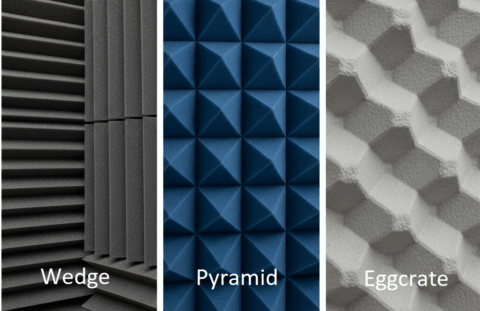
Acoustic foam is among the most popular materials for sound absorption. It is constructed from polyurethane or melamine and has an open-cell structure that captures sound waves. Acoustic foam is light, simple to install, and comes in various shapes and sizes, such as wedges, pyramids, and panels. It effectively absorbs mid to high-frequency sounds and is well-suited for recording studios, offices, and home theaters.

2. Fiberglass

Fiberglass is a sound-absorbing, fibrous material with high density and efficiency in absorbing sound at various frequencies. Fiberglass is usually used in industrial sound-absorbing panels because it attenuates sound in vast spaces. Fiberglass panels are fire- and moisture-resistant so that they can be applied indoors and outdoors. Due to their high NRC values, fiberglass panels are used in commercial structures, factories, and public areas.

3. Mineral Wool

Mineral wool or rock wool is a product developed from natural stone fibers. It is very dense and absorbs excellent sound, particularly in low frequencies. Mineral wool is usually applied to wall and ceiling insulation, industrial sound-absorbing panels, etc. Mineral wool is resistant to fire and moisture and offers good thermal insulation and sound control.

4. Cotton Batts

These are constructed using recycled cotton fibers and are an environmentally friendly, sound-absorbing material. They possess a high NRC rating and can absorb both high- and low-frequency sound. Cotton batts are applicable in domestic and commercial buildings because of their environmental advantages and simple installation.

5. Polyester Panels

Polyester panels are light, robust, and simple to install. They possess a porous structure that enables them to absorb sound efficiently. Polyester panels are commonly applied in offices, classrooms, and public areas where appearance and performance are critical.

6. Wood Wool

Wood wool panels consist of wood fibers bonded with cement. They offer a unique blend of sound absorption and durability. Wood wool panels are fire-resistant and moisture resistant; thus, they can be used in gyms, auditoriums, and industrial environments.

Selecting the Right Material for Your Purposes

When choosing a sound-absorbing material, consider the nature of the noise you wish to control, the setting, and the NRC rating of the material. For high-traffic spaces and industrial environments, industrial sound-absorbing panels with fiberglass, mineral wool, or wood wool are best because they are long-lasting and have high sound absorption capacity. For domestic or office purposes, acoustic foam, cotton batts, and polyester panels provide efficient noise control with a decorative touch.

Selecting the Right Material for Your Purposes

Conclusion

The most suitable material for sound absorption varies depending on the environment and the nature of the noise that needs to be controlled. Acoustic foam, fiberglass, mineral wool, cotton batts, polyester panels, and wood wool each have distinct benefits for various uses. Industrial sound absorbing panels constructed from fiberglass and mineral wool are very effective in industrial environments because they are long-lasting and have excellent sound absorption capabilities. By selecting the proper material, you can achieve a more pleasant and quieter atmosphere, boosting productivity and general health.

What is the Noise Acoustic Barrier?

What is the Noise Acoustic Barrier

Introduction

Noise pollution is a critical problem in contemporary society, particularly in urban communities where traffic, construction, and industry produce incessant noises. In response to this problem, noise acoustic barriers have proven to be an efficient solution. Acoustic barriers work by minimizing the passing of sound waves, leading to calm and more pleasant environments. In this blog, we shall delve into noise acoustic barriers, their mode of operation, and their benefits across diverse environments.

What is an Acoustic Noise Barrier

What is an Acoustic Noise Barrier?

A noise acoustic barrier is a physical barrier specifically constructed to block, absorb, or deflect sound waves to lower the noise level in a specific location. Noise barriers are typically installed along highways, railways, industrial areas, and residential locations to reduce the effects of noise pollution. They are made of materials with high sound absorption or reflection capabilities, including concrete, wood, metal, and specially made acoustic panels.

Noise acoustic barriers operate on the sound insulation and absorption principle. Sound waves reaching the barrier will reflect some waves to the source and absorb some within the material so they are not transmitted to the other side. The barrier’s height and type of design will determine how effective it is, as higher barriers have more ability to stop sound from penetrating the other side.

How Do Noise Acoustic Barriers Work?

Noise acoustic barriers work by cutting off the path of the sound waves. When sound waves meet a barrier, there are three main processes:

Reflection: Part of the sound waves are reflected towards the source, lowering the noise level and reaching the opposite side.

Absorption: Materials with high sound-absorbing properties, such as foam, fiberglass, and acoustic panels, absorb sound waves, converting them into small amounts of heat energy.

Diffraction: Some sound waves bend around the edges of the barrier. However, a well-designed noise acoustic barrier minimizes this effect by having an optimal height and surface structure.

The efficiency of a noise acoustic barrier relies on several factors, such as the material type, the barrier’s thickness, height, and location. For instance, obstacles placed near the noise source or the affected area are more effective in minimizing the sound levels.

Types of Noise Acoustic Barriers

There are different types of noise acoustic barriers to match various applications:

Concrete Barriers: Extremely effective for industrial sites and roadways because of their reflectiveness and density.

Wooden Barriers: Emotionally appealing in residential areas and bring a moderate level of noise reduction.

Metal Barriers: Lightweight and simple to install, frequently used in temporary construction sites.

Acrylic and Glass Barriers: Can be utilized in urban environments where visibility is a concern.

Green Barriers: Are made up of natural materials and vegetation, offering a green solution for noise reduction.

Advantages of Noise Acoustic Barriers

Putting up noise acoustic barriers provides numerous benefits:

Less Noise Pollution: Sound waves are blocked or absorbed by these barriers, ensuring a more peaceful environment, better comfort, and well-being.

Improved Privacy: Noise barriers prevent one from hearing other people’s conversations and activities, ensuring greater privacy in homes and businesses.

Wildlife Protection: Noise pollution may disrupt wildlife. Placing barriers protects natural habitats by lessening disturbing sounds.

Increased Property Value: Properties situated in more quiet regions tend to have increased market value, so noise barriers are an investment worth making.

Compliance with Noise Regulations: Some cities and industrial areas have regulations on noise levels. Noise acoustic barriers ensure compliance with these standards.

Advantages of Noise Acoustic Barriers

Conclusion

Noise acoustic barriers are necessary for controlling noise pollution in urban and industrial settings. Through reflection, absorption, and diffraction of sound waves, these barriers provide quieter and more pleasant environments for residential and commercial purposes. From highway use to residential neighborhoods or industrial areas, noise acoustic barriers enhance the quality of life through noise reduction. Investing in a properly designed acoustic sound barrier can improve health, provide greater privacy, and provide more excellent property value, making them an asset to modern infrastructure.


How to 100% Soundproof a Wall?

How to 100% Soundproof a Wall

Introduction

Soundproofing a wall can make your home or office much more comfortable and private. You might be looking to dampen street noise, noisy neighbors, or internal noise between rooms. Proper soundproofing can change everything. Getting to 100% soundproofing involves using a calculated combination of materials and methods specifically engineered to repel and trap sound waves. This tutorial will guide you through the best ways to soundproof a wall and make a quieter room fully.

How Sound Travels

How Sound Travels

To successfully soundproof a wall, it is essential to know how sound travels. Sound travels through air and solid surfaces in two main ways:

Airborne sound: This consists of noise from talking, music, and traffic, which passes through the air and enters walls.

Structure-borne sound refers to vibrations due to footsteps, furniture movement, or construction noise that travel through floors and walls.

Effective soundproofing involves both types of sound transmission.

Steps to 100% Soundproof a Wall

1. Install Soundproof Wall Panels

One of the best methods to soundproof a wall is using soundproof wall panels. These are meant to absorb sound waves and stop them from moving through the wall. They are manufactured using materials such as foam, fiberglass, and mineral wool, which successfully minimize the noise level. Mount them on the wall utilizing adhesive or mounting hardware for complete coverage.

2. Use Acoustic Insulation

Acoustic insulation is placed within the wall to stop sound from passing through the drywall and studs. A product such as mineral wool or fiberglass insulation is effective for soundproofing. Acoustic insulation reduces airborne noise as well as structure-borne noise when appropriately installed.

3. Install Mass Loaded Vinyl (MLV)

Mass Loaded Vinyl (MLV) is heavy, pliable, and sound-blocking material. Install sheets of MLV to wall studs before putting up drywall or overlaying existing drywall. Its dense mass effectively lowers sound entry and is a key part of the fully soundproofed wall.

4. Install Double Drywall with Green Glue

Adding a second layer of drywall adds weight to the wall, making it more difficult for sound to travel through. Spread Green Glue between the layers of drywall to serve as a damping compound, which dissolves sound vibrations. This works well for low-frequency sounds.

5. Seal All Gaps and Cracks

Even tiny gaps and cracks can transmit sound. Seal any openings around vents, windows, doors, and outlets with an acoustic sealant or caulk. Sealing properly prevents sound from escaping through weak spots in the wall.

6. Install a Soundproof Barrier

Create a soundproof barrier over the wall, like a heavy curtain or soundproof blanket. While this will not wholly soundproof the wall, it is very effective when used in conjunction with other techniques.

7. Construct a Decoupled Wall

Decoupling is done by placing space between two layers of drywall with resilient channels or sound isolation clips. This stops sound vibrations from passing directly through the wall by breaking the sound wave path.

Additional Better Soundproofing Tips

  • Ensure that every electrical switch and outlet on the wall is well-sealed using acoustic putty.
  • Install weather strips around doors and windows to close the sound leaks.
  • Cover neighboring floors and ceilings with thick carpets or rugs to absorb sound reflections.

Construct a Decoupled Wall

Conclusion

To achieve 100% soundproofing of a wall, you must use a combination of techniques, such as installing soundproof wall panels, acoustic insulation, mass-loaded vinyl, and sealing all the gaps. With knowledge of how sound works and the proper materials and techniques, you can make your space quieter and more peaceful. Whether you soundproof a home office, bedroom, or recording studio, these steps will guide you in effectively blocking unwanted noise and having more privacy.

How Do Acoustic Wall Panels Improve Sound Quality and Aesthetic Appeal?

acoustic wall panels

In today’s world, where noise pollution is increasingly prevalent, creating a peaceful and productive environment is more critical than ever. Controlling sound is crucial, whether it’s a busy office, a lively restaurant, or a dedicated recording studio. That’s where acoustic wall panels come in, offering a powerful solution to improve sound quality and enhance the aesthetic appeal of any space.

Understanding the Science of Sound Absorption

Understanding the Science of Sound Absorption

Sound travels in waves, and when these waves hit hard surfaces like walls and ceilings, they bounce back, creating echoes and reverberation. This can lead to poor sound quality, making concentrating, communicating effectively, or enjoying music difficult. Acoustic panels are designed to absorb these sound waves, reducing reflections and creating a more controlled and balanced sound environment.

These panels are typically made from sound-absorbing materials like fiberglass, mineral wool, or acoustic foam. When sound waves enter the panel, the material converts the sound energy into heat, effectively reducing the amount of sound reflected in the room.

Benefits of Acoustical Wall Panels

  1. Improved Sound Quality: By reducing echoes and reverberation, acoustic panels create a more transparent and intelligible sound environment. This is particularly beneficial in spaces like recording studios, home theaters, and conference rooms, where sound clarity is essential.
  2. Enhanced Speech Intelligibility: In environments like classrooms, offices, and restaurants, acoustic panels can improve speech intelligibility by reducing background noise and making it easier to understand conversations.
  3. Increased Privacy: Acoustic panels can also help to improve privacy by reducing sound transmission between rooms. This is especially useful in offices and healthcare facilities where confidential conversations occur.
  4. Aesthetic Appeal: Acoustic panels are available in a wide range of colors, sizes, and shapes, allowing you to customize the look and feel of your space. They can be used to create visually appealing designs while improving the room’s acoustic performance.
  5. Versatility: Acoustic panels can be used in various settings, from small home offices to large commercial spaces. They can be mounted on walls and ceilings or even used as freestanding partitions, offering flexibility in design and application.

Applications of Acoustical Wall Panels

  • Recording Studios: Create a controlled and accurate sound environment for recording and mixing music.
  • Offices: Reduce noise distractions and improve speech intelligibility for increased productivity.
  • Restaurants: Lower noise levels and create a more pleasant dining experience for customers.
  • Educational Institutions: Enhance learning environments by reducing noise and improving speech clarity.
  • Industrial Settings: Minimize noise pollution and protect workers from excessive noise exposure.

Choosing the Right Acoustical Wall Panels

Selecting the right acoustic panels depends on the specific needs of your space. Factors to consider include the size and shape of the room, the type of noise you’re trying to control, and your aesthetic preferences. It’s often beneficial to consult acoustic specialists like Akcoustic to assess your needs and recommend the best environmental solution. Akcoustic, based in Riyadh, Saudi Arabia, has a team of acoustic engineers, designers, and senior acousticians certified by the Institute of Acoustics in the UK, who can help you choose from a range of acoustic solutions, including acoustic fabric panels, foam panels, and wooden acoustic panels.

Choosing the Right Acoustical Wall Panels

Conclusion

Acoustic panels offer a simple yet effective solution to improve sound quality and enhance the aesthetic appeal of any space. These panels create a more comfortable, productive, and enjoyable environment by reducing echoes, reverberation, and background noise. If you want to transform your space into a haven of tranquility and clarity, consider exploring the world of acoustic panels and discover how they can revolutionize your sound experience. Contact Akcoustic today to learn more about how acoustic solutions can benefit your space.

How Can Ceiling Baffles Enhance Acoustic Performance and Interior Design?

How Can Ceiling Baffles Enhance Acoustic Performance and Interior Design?

In today’s world, where noise pollution is increasingly prevalent, creating comfortable and acoustically balanced spaces is more critical than ever. Whether it’s a bustling office, a lively restaurant, or a focused learning environment, the sound quality of a space significantly impacts productivity, relaxation, and overall well-being. One innovative solution gaining popularity is the use of Ceiling acoustic Baffles. But how exactly do they enhance acoustic performance and interior design? Let’s dive in.

Understanding Acoustic Challenges

Before exploring the benefits of Ceiling acoustic Baffles, it’s crucial to understand common acoustic challenges. Sound waves in enclosed spaces can bounce off hard surfaces like walls, floors, and ceilings, creating echoes and reverberation. This can lead to poor speech intelligibility, increased stress levels, and a general sense of discomfort. Addressing these challenges requires strategic acoustic treatment.

What are Ceiling acoustic Baffles?

What are Ceiling acoustic Baffles?

Ceiling acoustic Baffles are sound-absorbing panels suspended vertically from the Ceiling. Typically made from materials like fiberglass, mineral wool, or foam wrapped in fabric, they are designed to absorb sound waves, reducing reverberation and improving overall sound quality within a space. Unlike traditional acoustic panels mounted flat against surfaces, baffles hang freely, exposing more surface area to sound waves.

Enhancing Acoustic Performance

  • Absorption Efficiency: Ceiling acoustic Baffles are highly effective at absorbing sound due to their exposed surface area. Sound waves hit both sides of the baffle, maximizing absorption and minimizing reflections.
  • Reducing Reverberation: By absorbing sound, baffles minimize the time it takes for sound waves to decay in a room, leading to more transparent and more comfortable sound.
  • Improving Speech Intelligibility: Reducing reverberation is essential for clear communication in environments like offices and classrooms. Ceiling Baffles help improve speech intelligibility by minimizing the overlap of sound waves.

Elevating Interior Design

  • Aesthetic Versatility: Baffles come in various shapes, sizes, colors, and materials, offering designers a wide range of aesthetic options. They can be customized to complement the existing décor or create a bold, eye-catching statement.
  • Visual Appeal: The vertical suspension of baffles adds visual interest to a space. They can be arranged in patterns or groupings to create a dynamic and modern look.
  • Space Definition: Baffles can visually define areas within a larger space. For example, baffles can create semi-private zones in an open-plan office without blocking light or airflow.

Applications across Various Environments

  • Offices: In open-plan offices, baffles can reduce noise distractions and improve speech privacy, increasing productivity and employee well-being.
  • Restaurants: By controlling reverberation, baffles create a more pleasant dining experience for customers and reduce noise levels for staff.
  • Educational Institutions: In classrooms and lecture halls, baffles enhance speech intelligibility, ensuring students can hear and understand their teachers.
  • Industrial Settings: Baffles can mitigate noise pollution in factories and warehouses, protecting workers’ hearing and improving safety.

Partnering with Acoustic Experts

For optimal acoustic results, consult specialists like Riyadh-based Akcoustic. They offer solutions like Ceiling acoustic baffles, enhancing both sound and design. Their experienced team uses advanced software to simulate and achieve desired acoustics accurately.

Partnering with Acoustic Experts

Conclusion

Ceiling acoustic Baffles offer a versatile and effective solution for enhancing acoustic performance and interior design in various environments. Whether you’re looking to reduce noise distractions in an office, improve speech intelligibility in a classroom, or create a more pleasant dining experience in a restaurant, Ceiling Acoustic Baffles can help you achieve your goals. Contact us today to explore our range of acoustic solutions and take the first step toward creating a more comfortable and acoustically balanced space.