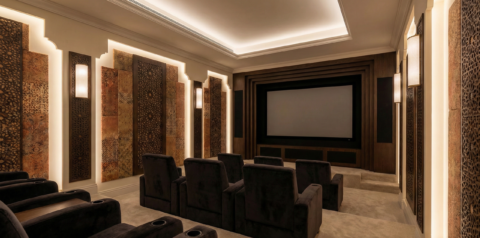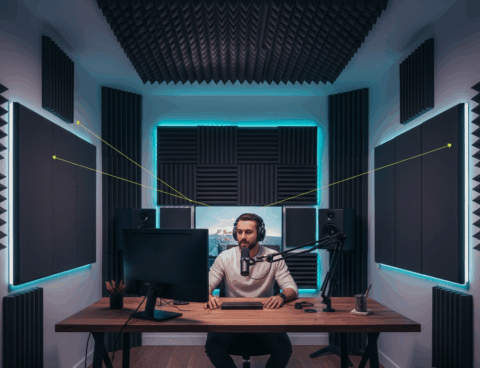

Acoustic Consultants in Saudi Arabia : Best is Akinco (Akcoustic)

The Science of Silence: How Soundproof Specialists Create Tranquil Spaces | Acoustic Consultants in Saudi Arabia

Acoustic Consultants in Saudi Arabia : Best is Akinco
Saudi Arabia is in the midst of a breathtaking transformation. From the futuristic vision of NEOM to the bustling preparations for Riyadh Expo 2030, the Kingdom is a global hub of architectural innovation and ambitious development. As gleaming skyscrapers, luxury hotels, world-class entertainment venues, and smart cities rise from the desert, a critical, yet often overlooked, element will define their success:
sound.

In the race to build bigger and faster, the quality of a space’s acoustic environment can be forgotten. Yet, poor acoustics can undermine the very purpose of a building, leading to unproductive offices, unpleasant dining experiences, and a lack of privacy. This is where the expertise of an acoustic specialist becomes not just a luxury, but an absolute necessity. For any major project in the Kingdom, engaging professional noise consultants in KSA is a crucial step towards achieving true excellence.

The Unseen Challenge: Noise in Modern KSA Architecture

Modern design trends favour open-plan layouts, minimalist aesthetics, and hard surfaces like glass, marble, and polished concrete. While visually striking, these materials are highly reflective of sound. Without proper acoustic treatment, this can create a cacophony of noise.

Consider these common scenarios in Saudi Arabia:

  • The Bustling Corporate Office: In a large, open-plan office in Riyadh’s financial district, the constant chatter, phone calls, and keyboard clicks merge into a distracting hum, reducing productivity and increasing employee stress.
  • The Luxury Jeddah Restaurant: Diners at a high-end restaurant find themselves shouting to be heard over the clatter of cutlery and the conversations from other tables, ruining the intimate ambiance.
  • The High-End Residential Tower: Residents in a new apartment building can clearly hear their neighbours through the walls, leading to complaints and a diminished sense of privacy and comfort.

In every case, the root cause is a failure to manage sound. This is a complex challenge that requires more than just adding a few soft furnishings; it requires scientific analysis and expert engineering.

What Does an Acoustic Consultant Actually Do?

An acoustic consultant is a highly trained sound proof expert who blends the principles of physics, engineering, and design to control noise and shape the sound of a space. They are the architects of silence and the maestros of clarity. Their role goes far beyond simply recommending products.

A true acoustic specialist provides a comprehensive service that includes:

  1. Acoustic Analysis and Modelling: Using advanced software and sound-level meters, they measure and predict how sound will behave in a specific environment.
  2. Architectural Acoustic Design: They work alongside architects and designers from the initial planning stages to integrate acoustic principles into the building’s core design, advising on room shape, layout, and construction materials.
  3. Soundproofing and Isolation: They design strategies to block unwanted noise from entering or leaving a space. This is crucial for cinemas, recording studios, boardrooms, and residential buildings.
  4. Interior Acoustic Treatment: They create plans to absorb excess sound within a room, reducing echo and reverberation to improve speech clarity and overall comfort.

Akinco KSA: The Premier Acoustic Consultants in Saudi Arabia

When searching for acoustic consultants Saudi Arabia, one name consistently rises to the top for its expertise, comprehensive solutions, and deep understanding of the local market: Akinco KSA.

Akinco KSA is the best consultant in KSA because they provide a holistic, end-to-end solution. They don’t just identify the problem; they design, supply, and install the complete solution. Their team of engineers and designers understands the unique challenges and opportunities presented by projects within the Kingdom. From the grand scale of a new airport to the fine details of a private home theatre, Akinco KSA has established itself as the go-to sound proof expert.

Finding the Best Acoustic Panel Solutions in Saudi Arabia

A key tool in the consultant’s arsenal is the acoustic panel. However, not all panels are created equal. As the demand for solutions like acoustic panels in Riyadh and other major cities grows, it’s vital to choose the right type for the job.

Akinco KSA offers a vast range of the best acoustic panel solutions in Saudi Arabia, ensuring that performance is never compromised for aesthetics. These solutions include:

  • Fabric-Wrapped Acoustic Panels: Highly versatile and effective, these panels can be customized with a wide variety of colours and textures to seamlessly blend into any interior design.
  • Wooden Acoustic Panels: Offering a sophisticated and natural aesthetic, perforated or grooved wood panels provide excellent sound absorption while adding a touch of elegance.
  • PET Felt Acoustic Panels: Made from recycled materials, these panels are a sustainable and durable option, available in various shapes, sizes, and colours to create stunning visual features.
  • Custom-Printed Panels: Any high-resolution image or corporate branding can be printed onto acoustically transparent fabric, turning a functional necessity into a work of art.

The experts at Akinco KSA help clients navigate these options to select the perfect system that meets both the acoustic requirements and the design vision of the project.

Your Project Deserves an Acoustic Specialist

In the competitive landscape of Saudi Arabia’s development boom, the quality of the end-user experience is what will set a project apart. A visually stunning building that is acoustically uncomfortable is a failed investment.

Engaging a professional acoustic consultant like Akinco KSA from the outset is one of the smartest decisions a project manager or developer can make. It saves money on costly retrofits, enhances the building’s value and reputation, and ensures the space functions exactly as intended.

Don’t let noise undermine your vision. Build a future for Saudi Arabia that not only looks incredible but sounds exceptional too.

Ready to transform the acoustic environment of your space? Contact the expert team at Akinco KSA today for a comprehensive consultation.


The Ultimate Guide to Sound Insulation Panels: Acoustic Foam vs. Soundproofing

Soundproof Wall Panels | sound absorbing panels | Sound Insulation panels

Is noise invading your peace and quiet? Whether it’s the traffic outside your bedroom, your neighbour’s TV, or the distracting echo in your home office, unwanted sound is a common problem. When you search for a solution, you’re bombarded with terms: sound insulation panels, acoustic foam panels, soundproof foam, sound deadening panels. It’s a confusing landscape.

What’s the difference? Do you need to absorb sound or block it? Are acoustic foam panels the same as sound proof foam?

This guide is here to clear up the confusion. We will break down the different types of panels, explain the science behind how they work, and help you choose the perfect solution to reclaim your quiet.

The Most Important Concept: Soundproofing vs. Sound Absorption

Before diving into specific products, you must understand this fundamental difference. Most people use the terms interchangeably, but in the world of acoustics, they mean two completely different things.

Sound Absorption (Acoustic Treatment)

Goal: To improve the sound quality inside a room.

How it works: Sound absorption uses soft, porous materials to soak up sound waves, primarily to reduce echo and reverberation. Think of it like placing sponges around a room to mop up spilled water. The sponges don’t stop water from getting in; they just control the mess inside.

Sound Insulation (Soundproofing)

Goal: To stop sound from traveling from one space to another.

How it works: Sound insulation uses heavy, dense, massive materials to create a barrier that blocks sound waves from passing through. This is like building a dam to stop water from entering an area. The goal is isolation.

Keywords: Sound insulation panels, sound deadening panels.

Understanding this distinction is the key. Buying acoustic foam to block your neighbour’s noise will lead to disappointment, just as lining a recording studio with dense rubber will do little to control echo.

A Deep Dive into Sound Absorbing Panels

If your problem is echo, poor speech clarity, or harsh sound reflections within a room, then you need sound absorption. These products are often called acoustic panels.

What Are They Made Of?

Sound absorbing panels are made from open-cell, porous materials. The most common types are:

  • Acoustic Foam Panels: This is what most people picture when they think of sound treatment. Typically made from polyurethane, an acoustic foam panel comes in various shapes like pyramids, wedges, and flats. The sculpted shapes increase the surface area, making them more effective at trapping sound waves, especially in the mid-to-high frequency range (like human speech and cymbals).
  • Fabric-Wrapped Panels: Considered a step-up in both performance and aesthetics, these panels consist of a dense core of mineral wool or fiberglass, wrapped in an acoustically transparent fabric. They are highly effective absorbers across a broader range of frequencies than standard foam and look much more professional.
  • Polyester (PET) Panels: Made from recycled plastics, these are rigid, durable panels that offer excellent sound absorption and come in many colours. They can be used as sound tiles or full wall coverings.

How Do They Work?

When a sound wave hits a soft acoustic foam panel or a fiberglass panel, it doesn’t bounce off. Instead, it enters the material’s open-cell structure. As the sound energy navigates through the complex pathways of the material, friction converts it into a minuscule amount of heat, effectively “deadening” the sound and stopping the reflection.

When Should You Use Them?

  • Home Recording Studios: To get clean, professional-sounding recordings without echo.
  • Home Theaters: To improve movie dialogue clarity and create an immersive sound experience.
  • Offices & Conference Rooms: To reduce chatter and make conversations easier to understand.
  • Restaurants & Cafes: To lower the overall noise level for a more pleasant dining atmosphere.
  • Living Rooms with High Ceilings: To tame the “cathedral effect” and make the space feel more intimate.

Exploring True Sound Insulation Panels

If your problem is noise from the outside world getting in, or noise from your room getting out, you need sound insulation. This requires mass and density.

What Are They Made Of?

Sound insulation panels are heavy and are designed to be a barrier. They are not the same as lightweight sound foam panels. Key materials include:

  • Mass Loaded Vinyl (MLV): This is the gold standard for soundproofing. MLV is a thin but incredibly heavy and flexible sheet of vinyl loaded with metal particles. It’s typically installed inside walls, ceilings, or floors during construction to add significant mass without taking up much space. It is a true sound deadening material.
  • Acoustic Gypsum Board (Soundproof Drywall): This looks like standard drywall but is much heavier. It’s constructed with multiple layers of gypsum sandwiching a layer of sound-damping compound, which converts sound energy into heat.
  • Composite Panels: These are engineered sound insulation panels that combine layers of different materials, such as a layer of MLV bonded to a layer of closed-cell foam. The foam acts as a decoupler to separate the mass from the structure, further improving its ability to block sound.

How Do They Work?

Sound travels as a vibration. To stop it, you need a barrier so heavy and dense that the sound energy can’t vibrate it. When sound waves hit a heavy material like MLV or acoustic drywall, most of the energy is reflected away. Very little energy is able to pass through to the other side.

When Should You Use Them?

  • Apartment Walls: To block the sound of your neighbours’ voices, music, or footsteps.
  • Roadside Homes: To reduce traffic noise from entering a bedroom or living room.
  • Drum Rooms or Band Practice Spaces: To keep loud music contained and not disturb the rest of the house.
  • Mechanical Rooms: To isolate the noise from loud machinery like HVAC units or generators.

The Big Myth: “Soundproof Foam”

Let’s address the most searched and most misunderstood term: soundproof foam. In 99% of cases, the product being marketed as sound proof foam is actually acoustic foam—the light, porous kind meant for sound absorption.

Lightweight, open-cell foam cannot block sound effectively. It lacks the essential ingredient for soundproofing: mass.

While some very dense, closed-cell foams have minor sound insulation properties, they are nowhere near as effective as dedicated materials like Mass Loaded Vinyl. If your goal is to block sound, do not buy the typical pyramid or wedge foam panels. You need mass, not just texture.

Conclusion: Choosing the Right Panel for Your Noise Problem

Now that you understand the difference, choosing the right solution is simple. Ask yourself one question:

“Am I trying to fix the sound inside my room, or am I trying to block sound from entering or leaving my room?”

  • If your answer is “inside the room” (echo, poor clarity), you need SOUND ABSORBING PANELS like acoustic foam panels, fabric-wrapped panels, or acoustic tiles.
  • If your answer is “entering or leaving the room” (neighbours, traffic), you need SOUND INSULATION PANELS and materials like Mass Loaded Vinyl and acoustic drywall.

By identifying your specific problem, you can confidently select the right product and finally achieve the peace and quiet you’ve been looking for.


Clearing the Air: Polyester, PET, and Felt Acoustic Panels Explained

Polyester Acoustic Panels | Polyester Acoustic Panels in Riyadh | Pet Felt Panels

Navigating the world of acoustic panels can be confusing. You’re looking to quiet a space, but you’re faced with a seemingly endless list of terms: polyester acoustic panels, PET acoustic panels, felt acoustic panels, and PET felt panels. Are they all the same? Do they offer different benefits? The short answer is yes, they are closely related, but understanding the subtle distinctions is key to making an informed choice. This guide will clarify the terms and help you find the perfect solution for your space.

The Acoustic Panel Family Tree 🌲

Think of these terms as a family tree, where each name provides a bit more detail about the panel’s identity.

  • Polyester Acoustic Panels are the main family. This is the broad, overarching term for any sound-absorbing panel made from polyester fibers. These fibers are compressed and heat-bonded into a rigid, porous board that effectively traps sound waves.
  • PET Acoustic Panels are a specific type of polyester panel. PET stands for Polyethylene Terephthalate, which is the scientific name for a common form of polyester. What makes PET panels special is that they are primarily made from recycled PET plastic—the kind found in plastic bottles. This makes them an environmentally friendly and sustainable choice. A product labeled as a PET acoustic panel is a member of the polyester family with a clear focus on its eco-friendly origin.
  • Felt Acoustic Panels describe the aesthetic and texture of the panel. These panels have a soft, non-woven, fabric-like surface that resembles traditional felt. While felt can be made from various materials (like wool), in the acoustic industry, the term almost always refers to panels made from a synthetic felt, which is typically polyester or PET. The name “felt” emphasizes the finished look and feel of the product rather than its core material.
  • PET Felt Panels are a combination of the above. This term explicitly states that the panel has a felt-like finish and is made from recycled PET plastic. It is a highly specific and descriptive name that highlights both the texture and the sustainable material.

In short, a PET acoustic panel is a polyester acoustic panel, and a felt acoustic panel is very likely also a polyester or PET panel. The different names are used to highlight different selling points, such as sustainability (PET) or appearance (felt).

Pros and Cons: A Quick Breakdown ✅❌

While the names may differ, these panels share many of the same advantages and a few key considerations.

Pros

  • Exceptional Acoustic Performance: These panels are highly effective at absorbing mid-to-high-frequency sounds, which are most common in offices, restaurants, and homes. They reduce echo and reverberation, making spaces feel clearer and quieter.
  • Durability and Longevity: They are rigid, robust, and resistant to moisture, making them ideal for a wide range of environments, including those with varying humidity levels common in the GCC region. They will not warp, rot, or degrade over time.
  • Design Flexibility: Available in a vast array of colors, shapes, and sizes, these panels can be customized to complement any interior design. They can be cut into intricate patterns or used as a bold architectural feature.
  • Eco-Friendly (PET): For companies and individuals committed to sustainability, PET acoustic panels offer a compelling choice, repurposing plastic waste into a functional, long-lasting product.

Cons

  • Fire Ratings: While most reputable products meet fire safety standards, it is crucial to ensure that the panels you choose have the necessary fire safety certifications for your specific application.
  • Limited Low-Frequency Absorption: Like most porous absorbers, these panels are less effective at blocking or absorbing very low-frequency sounds (bass). For serious low-frequency issues, they must be combined with other solutions like bass traps.
  • Professional Installation is Key: The effectiveness of any acoustic panel hinges on proper installation. Misalignment or improper mounting can compromise performance and leave gaps for sound to pass through.

Why Akinco is Your Only Choice

With so many options on the market, why should you choose Akinco for your acoustic panel needs? We believe a great product is only half the solution; the other half is expert guidance and professional service.

  • Expertise That Eliminates Confusion: Our certified acoustic engineers don’t just sell you a product; they provide a full consultation to understand your specific noise problem. We will guide you through the process, helping you select the perfect felt acoustic panels or PET panels that are right for your project’s acoustic, aesthetic, and sustainability goals. We cut through the industry jargon and give you a clear recommendation.
  • Certified Quality and Durability: Akinco’s products are manufactured to the highest standards, ensuring exceptional acoustic performance and a long lifespan. Our panels come with the necessary fire safety certifications, giving you peace of mind that you are installing a product that is not only effective but also safe for your space.
  • A Full-Service Solution: We are more than just a supplier. Akinco is a professional acoustic barrier installer and a full-service provider. From the initial site assessment and acoustic modeling to the final, meticulous installation, we handle every step of the process. This ensures your acoustic panel installation is executed flawlessly, guaranteeing the performance you expect.
  • A Local Partner in the GCC: With a strong presence in Saudi Arabia and the broader GCC region, we understand the local market, building regulations, and design sensibilities. We are your trusted partner in creating quieter, more productive, and more beautiful spaces.

Don’t let the terms confuse you. Partner with Akinco and let our expertise guide you to the perfect acoustic solution. Contact us today for a consultation and take the first step towards a quieter, more comfortable environment.


Why You Need a Professional Acoustic Barrier Installation

Mass Loaded Vinyl | Acoustic Vinyl Barrier | Acoustic Barrier Installation

The Kingdom of Saudi Arabia is a vibrant nation in the midst of an unprecedented transformation. Across its vast landscape, the rhythmic sound of progress echoes—from the bustling streets of Riyadh and the coastal energy of Jeddah to the industrial hubs of Jubail and Yanbu. This rapid urbanization, however, brings with it a significant challenge: noise pollution. The constant hum of traffic, the clang of construction, and the whir of industrial machinery can disrupt our daily lives, compromising our health, productivity, and overall well-being.

While the problem of noise is pervasive, the solution is not a simple one-size-fits-all product. It requires a strategic approach, a deep understanding of sound, and the expertise of a professional acoustic barrier installer. The journey to a quieter kingdom begins with recognizing that a simple purchase is insufficient; true sound control is achieved through meticulous planning and a professional acoustic barrier installation.

The Unseen Threat: How Noise Pollution Impacts Our Lives

Before we can appreciate the solution, we must first understand the problem in depth. Noise pollution is more than just an annoyance; it is a serious environmental and health concern. The World Health Organization (WHO) has identified it as a leading public health risk in urban areas. Chronic exposure to high levels of noise can lead to a host of physiological and psychological issues:

  • Physiological Effects: Prolonged noise exposure triggers the body’s stress response, releasing cortisol and adrenaline. This can lead to increased heart rate, elevated blood pressure, and a higher risk of cardiovascular disease. The disruption of sleep is one of the most damaging effects, as it impairs the body’s ability to repair and restore itself, leading to fatigue and reduced immunity.
  • Psychological Impacts: Constant noise can be a source of significant stress, leading to irritability, anxiety, and a decrease in cognitive performance. In a professional environment, it can severely hinder concentration, creativity, and communication among employees.
  • Quality of Life: On a broader scale, noise pollution diminishes our quality of life. It makes it difficult to relax in our homes, enjoy outdoor spaces, or have a peaceful conversation, eroding the sense of tranquility we all seek.

Addressing this issue requires a comprehensive strategy, and at its core is the professional use of a Noise Acoustic Barrier to contain, block, and manage sound at its source.

The Science of Silence: Understanding Acoustic Barriers

An acoustic barrier is not just a thick panel. It is a scientifically engineered system designed to block the transmission of sound waves. To effectively quiet an environment, you must understand the fundamental principles of soundproofing.

  • Mass and Density: The most effective way to block sound is by adding mass to a structure. Heavier, denser materials are more difficult for sound waves to vibrate through. This is the core principle behind products like Mass Loaded Vinyl Barrier (MLV). MLV is a highly dense, flexible material that adds significant mass to a wall or ceiling without taking up a large amount of space. Its density allows it to stop a wide range of frequencies, including the low-frequency rumbles from machinery and traffic that are particularly challenging to block.
  • The Power of Decoupling: Another critical strategy is decoupling, which involves creating an air gap between two surfaces. This prevents vibrations from passing directly from one surface to another. A professional acoustic barrier installer can design a decoupled wall system that uses resilient channels or sound clips to physically separate the layers, dramatically improving the soundproofing performance.
  • Acoustic Barriers vs. Acoustic Absorption: It is crucial to distinguish between these two concepts. An acoustic barrier’s primary function is to block sound from entering or leaving a space. In contrast, acoustic absorption uses materials like foam or fabric panels to absorb sound waves within a room, reducing echo and reverberation. While both are part of a complete acoustic solution, only a barrier can effectively prevent sound transmission from an external source.

This nuanced understanding is why relying on a professional acoustic barrier installer is essential. They possess the knowledge to select the right material, whether it be a specialized vinyl acoustic barrier or a heavy-duty outdoor fence, and apply it with the precision required to achieve a quiet environment.

The Akinco Advantage: Your Partner in Professionalism

In a market saturated with products, the true value lies in the expertise of the acoustic barrier installer. Akinco, a trusted partner in Saudi Arabia, offers a full-service solution that goes far beyond simply supplying materials. Our comprehensive approach ensures that every acoustic barrier installation is not just effective, but perfectly tailored to your specific needs.

  1. Initial Assessment and Sound Analysis: The process begins with our team of certified acoustic engineers conducting a thorough on-site analysis. We measure sound levels, identify the primary noise source, and determine the most effective strategy to mitigate it. This scientific approach ensures we are treating the root cause of the noise, not just the symptoms.
  2. Customized Solutions: A professional acoustic barrier installer knows that every project is unique. For a factory in a bustling industrial city, the solution might involve a heavy-duty vinyl acoustic barrier enclosure, while a home near a busy highway might require a combination of MLV in the walls and acoustic seals on the windows. We design solutions that are specific to your environment, budget, and desired outcome.
  3. Flawless Installation: Even the most advanced Mass Loaded Vinyl Barrier will fail if installed incorrectly. Sound will always find the path of least resistance, seeking out small gaps and cracks. Our installation team is trained to meticulously seal all penetrations around pipes, electrical outlets, and ventilation systems. This attention to detail is what separates a professional installation from a DIY attempt and guarantees the long-term effectiveness of the barrier.
  4. Compliance and Safety: Our professional acoustic barrier installation methods adhere to local building codes and safety regulations. This is particularly critical for industrial and commercial projects where compliance is not just a recommendation but a legal requirement.

Real-World Applications in Saudi Arabia

Across the Kingdom, our professional acoustic barrier installation services are making a tangible difference:

  • Construction Sites: With massive projects like the Riyadh Metro, construction noise can be a major source of disruption. We provide temporary Noise Acoustic Barrier solutions to shield surrounding neighborhoods, allowing for continued progress without impacting the community.
  • Industrial Zones: In manufacturing plants and industrial cities like Jubail, our barriers are used to create quieter working environments, protecting employees from hearing damage and increasing productivity.
  • Urban Residential Areas: For residents in high-density neighborhoods, our vinyl acoustic barrier solutions are transforming noisy apartments and villas into peaceful sanctuaries.
  • Hospitality and Commercial Spaces: Our expertise ensures hotels, restaurants, and offices provide a serene atmosphere for their guests and employees, enhancing their brand reputation and customer satisfaction.

In a kingdom built on vision and ambition, a professional acoustic barrier installer is a partner in progress. They are the guardians of a peaceful environment, ensuring that the sound of progress is not a source of stress, but a testament to a healthier, more prosperous future. Don’t let noise compromise your quality of life. Contact us today to discover how our professional solutions can help you create your own pocket of silence in the heart of a thriving nation.

The Sound of Progress: Akinco’s Acoustic Vision for Qiddiya City

Qiddiya City

Saudi Arabia’s Vision 2030 is a powerful blueprint for the future, and nowhere is this ambition more visible than in the development of Qiddiya City. A sprawling hub of entertainment, sports, and culture being built on the outskirts of Riyadh, Qiddiya is set to redefine the leisure landscape of the region. As the world watches in awe, mesmerized by the scale and innovation of this giga-project, a crucial, often unseen, element is taking shape: its acoustic identity.

Qiddiya City

The soundscape of a city is as vital as its architecture. It influences mood, comfort, and the overall experience of its inhabitants and visitors. For a project as diverse as Qiddiya, with its mix of theme parks, concert halls, sporting arenas, and residential zones, managing sound is a monumental challenge. It’s a challenge that Akinco, a leader in acoustic solutions in Saudi Arabia and the GCC, is uniquely prepared to meet. This is Akinco’s vision for an acoustically flawless Qiddiya—a city where the roar of the crowd coexists with the tranquility of a park, and the pulse of a concert is contained within its walls.

The Acoustic Challenges of a Giga-Project

A city of entertainment, Qiddiya will be a symphony of diverse sounds. Each venue and zone will have its own unique acoustic needs, and without a comprehensive plan, the result could be a jarring cacophony rather than a harmonious experience. Akinco’s acoustic plan addresses these distinct challenges head-on:

Perfecting the Performance: Entertainment & Theaters

From world-class concerts to cinematic blockbusters, Qiddiya’s entertainment venues demand impeccable acoustics. The goal is to ensure every note, every line of dialogue, and every subtle sound effect reaches the audience with crystal clarity, free from echoes and reverberation. Poor acoustic design can lead to muddy sound and a subpar experience, regardless of the quality of the performance.

The Thrill Without the Noise: Theme Parks & Arenas

Imagine the sonic boom of a rollercoaster, the enthusiastic cheers of a crowd at a sporting event, or the explosive sound effects of a stage show. These are integral to the Qiddiya experience. However, an uncontrolled sound can become a nuisance, spilling into nearby public spaces, hotels, or residential areas. The challenge is to contain and manage this thrilling noise, ensuring it enhances the experience for those inside, without disturbing those outside.

Connecting, Not Disturbing: Transport & Infrastructure

As a modern city, Qiddiya will be connected by a network of roads and possibly public transport. This infrastructure, while essential, is a significant source of noise pollution. Managing the sounds of vehicles and machinery is critical for creating peaceful oases within the city and ensuring a high quality of life for residents.

Designing for a Peaceful Retreat: Hospitality & Residential Zones

In a city defined by energy and excitement, quiet spaces are a premium. Qiddiya’s hotels and residential areas must offer a sanctuary where visitors and residents can rest and rejuvenate. This requires a focus on soundproofing in Saudi Arabia for walls, ceilings, and floors to block external noise and create private, tranquil living spaces.

Qiddiya City Chess Hall


Akinco’s Blueprint for a Sound-Perfect Qiddiya City

Akinco’s vision for Qiddiya is not merely about installing acoustic products; it is about providing a full-service, strategic acoustic partnership. This blueprint is built on a foundation of expert consulting, cutting-edge technology, and a deep understanding of the unique requirements of the Saudi market.

1. Expert Consulting & Design: The First Step

Akinco’s approach begins with collaboration. Their team of certified acoustic engineers would work hand-in-hand with Qiddiya’s architects and planners from the very first phase of design. This proactive approach ensures that acoustic considerations are integrated seamlessly into the city’s structure, rather than being treated as a last-minute fix. This is how you build a project that is acoustically sound from the ground up.

Acoustically Perfact Swimming Pool in Qiddiya City

2. Targeted Product Applications: The Right Solution for Every Space

Akinco’s extensive range of high-quality products provides a custom solution for every acoustic challenge in Qiddiya.

  • For Performance Venues: Stretch fabric acoustic panels and wooden acoustic panels riyadh would be the ideal choice for concert halls and cinemas. These panels not only offer superior sound absorption but can be customized to match the venue’s aesthetic, creating an environment that is both visually stunning and acoustically perfect.
  • For Noise Control & Infrastructure: To manage the rumble of machinery and transport, Akinco would deploy its robust acoustic lagging and acoustic louvers. These industrial-grade noise control products in Riyadh are designed to significantly reduce sound emissions from HVAC systems, generators, and other critical infrastructure, ensuring the city runs smoothly and quietly.
  • For Tranquil Spaces: To create peaceful residential and hotel zones, Akinco would utilize polyester acoustic panels and specialized acoustic insulation within walls and ceilings. For ground-level spaces, acoustic floating floor systems would be installed to eliminate impact noise from upper floors, guaranteeing a restful experience for guests and residents.
  • For Unique Architectural Needs: Products like acoustic spray and acoustic barrier MLV would be used for complex or unconventional architectural features, providing flexible and effective soundproofing foam spray solutions where traditional panels cannot be applied.

Conclusion: A Partner in Vision 2030

Qiddiya City is more than a destination; it’s a statement of national ambition and a testament to the power of a bold vision. The success of this project hinges on every detail, from the grandest structures to the subtle, invisible elements that define the user experience—and sound is chief among them.

Akinco’s acoustic vision for Qiddiya City is a commitment to this future. It is a promise to deliver not just products, but clever, integrated solutions that elevate the city’s design and ensure its longevity. By partnering with Akinco, projects like Qiddiya can guarantee a world-class auditory experience, solidifying Saudi Arabia’s position as a global leader in entertainment and urban innovation.

Whether it’s a giga-project on the scale of Qiddiya city or a small office refurbishment, Akinco is the trusted acoustic consultant and partner for achieving acoustic excellence in Saudi Arabia and the GCC. Contact us today to turn your vision into an acoustically perfect reality.

Kids Room Soundproofing in Saudi Arabia: The Key to Better Sleep and Brighter Days

Kids Room Soundproofing in Saudi Arabia | Qiddiya City

In the vibrant, bustling cities of Saudi Arabia, from the dynamic streets of Riyadh to the serene coasts of Jeddah, life moves at a rapid pace. While this energy fuels progress, it often comes with an unwelcome companion: noise. For adults, a noisy environment can be a nuisance, but for children, especially in their formative years, constant noise can significantly impact their sleep, concentration, and overall well-being. This is where the thoughtful application of kids room soundproofing in Saudi Arabia becomes not just a luxury, but a necessity.

At Akcoustic, we understand the profound impact a peaceful environment has on a child’s development. Our mission is to transform noisy spaces into tranquil sanctuaries, ensuring your little ones can truly rest, learn, and thrive.

Kids Room Soundproofing in Saudi Arabia

Why Noise is a Problem for Kids

Imagine trying to sleep or focus on homework with the constant hum of city traffic, the distant sounds of construction, or even the lively chatter from neighboring apartments. In fast-developing Saudi Arabian cities like Riyadh, Jeddah, Dammam, Khobar, Makkah, and Madinah, these are common realities. Children are particularly vulnerable to noise pollution. Their developing brains are more susceptible to disruption, and consistent exposure to unwanted sound can lead to a myriad of issues:

  • Disrupted Sleep Patterns: Noise is a primary culprit for restless nights. A quiet room is essential for a baby’s better sleep and for children of all ages to achieve the deep, restorative sleep they need for growth and development.
  • Reduced Concentration and Learning Difficulties: Whether it’s during playtime or study time, external distractions can make it hard for children to focus, potentially impacting their academic performance and cognitive development.
  • Increased Stress and Anxiety: A perpetually noisy environment can elevate stress levels in children, leading to irritability, behavioral issues, and even long-term health concerns.
  • Impaired Hearing Development: While less common, prolonged exposure to high decibel levels can, in extreme cases, contribute to hearing fatigue or damage over time.

Kids Room Soundproofing in Saudi Arabia

The need for effective soundproofing is significant in these rapidly growing urban centers. Investing in soundproofing solutions for your child’s room is an investment in their health, happiness, and future.

The Benefits of a Tranquil Kids’ Room

Creating a soundproofed haven for your child offers a wealth of benefits that extend far beyond just quiet.

  • Superior Sleep Quality: This is perhaps the most immediate and impactful benefit. By minimizing external disturbances, soundproofing ensures your child enjoys uninterrupted, deeper sleep, leading to improved mood, energy levels, and overall health.
  • Enhanced Learning Environment: A quiet space fosters concentration. Whether it’s for reading, homework, or creative play, reducing distractions allows children to engage more deeply with their activities, promoting better learning and cognitive development.
  • Reduced Stress and Improved Well-being: A peaceful room provides a sanctuary where children can relax, decompress, and feel secure, contributing to their emotional stability and reducing anxiety.
  • Increased Privacy: For older children, a soundproofed room offers a sense of privacy, allowing them to pursue hobbies, talk on the phone, or simply enjoy personal space without feeling exposed to household noise.
  • Containment of Internal Noise: It’s not just about keeping external noise out; it’s also about keeping internal noise in. Soundproofing can prevent your child’s playful shouts or late-night gaming sessions from disturbing other family members or neighbors.

Tailored Acoustic Solutions for Kids Room Soundproofing

At Akcoustic, we offer a comprehensive range of acoustic solutions designed to create the ideal environment for your child. Our approach combines advanced technology with aesthetic appeal, ensuring safety, durability, and customization to fit your home’s unique style and your child’s personality.

Acoustic Panels: Blending Function with Fun

Acoustic panels are a cornerstone of effective noise control. They absorb sound waves, reducing echo and reverberation within the room, and can also act as a barrier against external noise.

  • Fabric Acoustic Panels: Highly versatile and customizable in a wide array of colors and patterns to match any room decor.

Acoustic Stretch Fabric

  • PET Acoustic Panels: An eco-friendly choice made from recycled materials, offering excellent sound absorption in various safe and durable shapes.

Acoustic Stretch Fabric

  • Wooden Acoustic Panels: Can be designed with playful patterns or integrated into furniture, offering both sound diffusion and absorption.

Wooden acoustic Panels Riyadh

stretch fabric acoustic panels

Mass Loaded Vinyl (MLV): The Invisible Barrier

For blocking unwanted noise, Mass Loaded Vinyl (MLV) is a heavy-duty sound barrier that can be installed within walls, floors, and ceilings. It’s an effective solution for minimizing sound transmission from outside, significantly improving a wall assembly’s ability to block external noise and contributing to a better overall OITC Rating for the room.

Soundproof Doors and Windows: Your First Line of Defense

Standard doors and windows are often the weakest points in a room’s soundproofing. Upgrading these is crucial for blocking external noise like traffic. This is where understanding technical specifications becomes vital. When selecting solutions, look for a high OITC Rating (Outdoor-Indoor Transmission Class). This rating specifically measures how well a product blocks sound from outdoor sources, particularly low-frequency noises like traffic and construction. A window with a high OITC Rating will make a dramatic difference in creating a truly quiet indoor environment.

Acoustic Underlay and Floating Floors:

If your child’s room is on an upper floor, an acoustic underlay or a full acoustic floating floor system can effectively isolate the floor from the structural base, minimizing the transmission of impact noise (footsteps, dropped toys) to rooms below.

When selecting solutions for a Kids Room Soundproofing, we prioritize safety (non-toxic materials, secure installation), durability (to withstand active play), and ease of cleaning.

Choosing the Right Solution: DIY vs. Professional Expertise

While some minor acoustic issues might be addressed with DIY solutions, achieving comprehensive soundproofing requires professional expertise. An expert understands the science of sound and the specific metrics that define performance. For example, a professional knows that achieving a high OITC Rating is essential for blocking traffic noise and will recommend the right combination of windows, doors, and wall treatments to achieve it.

Akcoustic offers turnkey solutions, managing the entire process from initial sound measurement to expert installation. Our certified Acoustic Engineers and Designers ensure that the chosen solutions are perfectly suited to your specific needs, guaranteeing optimal results and saving you from the risk of suboptimal outcomes and wasted resources.

Akcoustic: Your Partner in Creating Peaceful Spaces in KSA

At Akcoustic, we are dedicated to providing “clever solutions” for soundproofing and acoustic needs across the GCC region, including all major cities in Saudi Arabia. Our team of Acoustic Engineers, Designers, and Senior Acousticians, certified by the Institute of Acoustics (IOA)-UK, are equipped with advanced acoustic simulation software to develop customized products. We pride ourselves on delivering high-quality, long-lasting acoustic results for any setting, from private villas in Riyadh to schools and residential properties across the Kingdom.

Don’t let noise compromise your child’s well-being. Create a serene and conducive environment where they can truly thrive.

Ready for your Kids Room Soundproofing, Create a peaceful haven their Room? Contact Akcoustic today for a consultation and let our experts design the perfect soundproofing solution for your home in Saudi Arabia.

Best Sound Absorption Materials – A Complete Guide

Best Sound Absorption Materials - WOOD WOOL SOUND ABSORPTION PANELS

Finding the Best Sound Absorption Materials is a crucial task in soundproofing. We have all experienced it: the distracting echo in a minimalist office, the overwhelming clatter of a busy restaurant, or the muddled dialogue in a home theatre with high ceilings. These are not just minor annoyances; they are symptoms of poor room acoustics, a problem that can impact productivity, comfort, and our overall enjoyment of a space.

The solution lies in understanding and implementing a category of materials specifically engineered to control sound. This is your definitive guide to Best Sound Absorption Materials. We will explore what they are, the science behind how they work, the different types available, and how you can use them to transform any noisy, reverberant space into an environment of clarity and calm.

The First Crucial Distinction: Absorption vs. Blocking

Before diving into specific materials, it’s essential to understand the single most important concept in acoustics: the difference between sound absorption and sound blocking.

Sound Absorption (Improving Sound Inside a Room)

This is the primary focus of this guide. Sound absorption is the process of reducing echo and reverberation within a single space. Materials that do this act like an acoustic sponge; they soak up excess sound energy to prevent it from bouncing around the room. The goal is to improve speech clarity, reduce overall noise levels, and create a more pleasant-sounding environment.

Sound Blocking (Stopping Sound Between Rooms)

Often confused with absorption, sound blocking (or soundproofing) is the process of preventing sound from travelling from one room to another. This requires materials that are heavy, dense, and airtight. This is the job of an Acoustic Barrier. Materials like Mass Loaded Vinyl (MLV), concrete, and specially constructed decoupled walls serve as an Acoustic Barrier. They are designed to reflect and block sound energy from passing through.

Key Takeaway: You use absorption materials to fix echo in your room. You use a barrier to stop hearing your neighbour’s TV. This guide focuses on absorption.

How Do Best Sound Absorption Materials Work?

Sound travels in waves of energy. When these waves hit a hard, non-porous surface like glass or concrete, they bounce off, creating reflections that we perceive as echo and reverberation.

Sound Absorption Materials work by doing the opposite. They are engineered to be porous, meaning they are full of tiny, interconnected pockets of air. The process is simple yet effective:

  1. Sound Enters: A sound wave enters the material’s porous surface.
  2. Friction is Created: As the sound wave travels through the intricate network of fibres and air pockets, it causes them to vibrate. This creates friction.
  3. Energy is Converted: The friction converts the sound energy into a minuscule, imperceptible amount of heat.

Because the energy has been converted, it cannot escape back into the room as a reflection. The sound has been “absorbed.” The effectiveness of a material is measured by its Noise Reduction Coefficient (NRC), a rating from 0 (perfectly reflective) to 1 (perfectly absorptive). High-performance materials typically have an NRC of 0.80 or higher.

A Guide to Common Sound Absorption Materials

There is a wide variety of materials available, each with its own performance characteristics, aesthetics, and ideal applications.

1. Acoustic Foam Panels

Often the first thing people picture, Sound Insulation Foam is a popular choice for its distinct look and effectiveness at taming mid-to-high frequency sounds.
best sound absorption material - Acoustic Foam Panels

  • How it Works: It is made from an open-cell structure (typically polyurethane or melamine) that allows sound to enter and be absorbed. It’s crucial to distinguish professional acoustic foam from cheap, closed-cell packaging foam, which is ineffective for sound absorption.
  • Best For: Recording studios, podcast rooms, home theaters, and gaming rooms where controlling flutter echo is important. Its sculpted shapes (like wedges and pyramids) help to increase the available surface area for absorption.

2. Acoustic Fiberglass and Mineral Wool Panels (Wood Wool Sound Absorption Panels)

These are the industry standard for high-performance, broadband absorption. They are extremely effective across a wide range of frequencies.

  • How it Works: Wood Wool Sound Absorption panels consist of a rigid core made from dense boards of fiberglass or mineral wool fibres. Because the raw fibres can be irritants, the core is almost always enclosed in an acoustically transparent fabric wrap.
  • Best For: Any application requiring top-tier performance, such as offices, restaurants, auditoriums, and cinemas. The fabric wrap allows for a huge range of aesthetic choices to match any interior design.

3. PET Felt Panels

A modern and sustainable innovation, PET (Polyethylene Terephthalate) felt is quickly becoming a favourite among architects and designers.

best sound absorption material

  • How it Works: These rigid or semi-rigid panels or polyester fiber sound absorption Panels are made from recycled plastic bottles, compressed into a high-density felt. This material is naturally porous and absorptive.
  • Best For: Offices, schools, and public spaces. PET felt is highly durable, often tackable (can be used as a pinboard), and comes in a vast array of colours and pre-cut shapes. It often doesn’t require a fabric wrap, offering a clean, minimalist aesthetic.

4. Wood-Slatted (Fluted) and Perforated Wood Panels

For projects demanding the highest level of architectural finish, wood panels offer a sophisticated solution.

  • How it Works: These systems combine the beauty of wood with powerful acoustics. The sound passes through the gaps between the slats (or the holes in the perforated panels) and is absorbed by an acoustic backing material (like PET felt or fiberglass) hidden behind it. The wood surface also provides a degree of sound diffusion, scattering sound for a more natural feel.
  • Best For: Premium boardrooms, hotel lobbies, auditoriums, and luxury residences where aesthetics are paramount.

5. Ceiling Solutions: Baffles and Clouds

In large, open-plan spaces with high ceilings (like atriums, gyms, or industrial-style restaurants), treating the walls may not be enough or even possible.

  • How it Works: These are simply absorptive panels (usually fiberglass or PET felt or Wood Wool Sound Absorption panels) or polyester fiber sound absorption panels hung from the ceiling. Baffles are hung vertically in rows, while Clouds are hung horizontally, parallel to the floor.
  • Best For: Controlling reverberation in large volume spaces. Because sound is absorbed on all exposed sides, they are extremely efficient.

Practical Applications for a Quieter Environment

  • Offices & Meeting Rooms: To improve speech clarity and reduce the distracting “office din.”
  • Restaurants & Cafes: To lower the overall noise level, allowing for comfortable conversation.
  • Home Theaters & Studios: To eliminate reflections and achieve accurate, clear audio.
  • Schools & Lecture Halls: To ensure every student can hear and understand the lesson.
  • Gymnasiums & Lobbies: To tame the massive echo common in large, open areas.
    best sound absorption material - GYM

Conclusion

Choosing the Best Sound Absorption Materials is about correctly identifying your acoustic problem and selecting a solution that meets your performance needs and aesthetic goals. From a simple sheet of Sound Insulation Foam to an elegant architectural wood panel, the goal is the same: to stop chaotic reflections and create a clear, comfortable, and functional acoustic environment.

Mass Loaded Vinyl (MLV) | Professional Guide | Akinco KSA

Mass Loaded Vinyl | Acoustic Vinyl Barrier | Acoustic Barrier Installation

As the Kingdom of Saudi Arabia undergoes a remarkable transformation, the standards for construction, architecture, and interior comfort are reaching new heights. From the ambitious giga-projects of Vision 2030 to the sophisticated commercial towers in Riyadh and the luxurious private villas in Jeddah, there is a shared demand for environments that offer tranquility and privacy.

In this pursuit of quiet, when standard materials are not enough, professionals turn to a high-performance soundproofing solution: the acoustic barrier mlv. While unseen, its impact is profound.

As the leading provider of acoustic solutions in KSA, Akinco has prepared this definitive guide to help architects, contractors, and clients understand what this powerful material is, how it delivers exceptional performance, and where it can be used to solve the most demanding noise challenges across the Kingdom.

What is Mass Loaded Vinyl (MLV)?

Mass Loaded Vinyl is a high-density, yet remarkably flexible, material specifically engineered for sound blocking that’s why it’s also known as Acoustic Vinyl Barrier or Mass Loaded Vinyl Blanket. It is created by infusing a thin vinyl sheet with dense, heavy minerals like barium sulfate. This process gives Mass Loaded Vinyl, its two most important characteristics:

  • Exceptional Mass: Mass Loaded Vinyl is incredibly heavy for its thickness. This density is the primary source of its sound-blocking power.
  • Thin & Flexible Profile: Unlike rigid boards, Mass Loaded Vinyl is limp and pliable, like a heavy-duty rubber mat. Its thin profile allows it to be integrated into walls, floors, and ceilings without consuming valuable space, a critical advantage in modern construction.

It is vital to distinguish this material from sound-absorbing products like acoustic panels. Those are designed to improve sound quality inside a room by reducing echo. An acoustic barrier mlv, on the other hand, is a sound barrier. Its sole purpose is to block sound from travelling from one space to another.

The Science: How MLV Delivers Superior Soundproofing

The effectiveness of MLV is based on a simple law of physics: the Principle of Mass. For sound energy to pass through a barrier, it must vibrate that barrier. A heavy, dense barrier resists this vibration far more effectively than a light one. This is why a dense acoustic barrier mlv is so effective at stopping sound; it creates a formidable obstacle for sound waves.

Imagine a strong desert wind hitting a light tent fabric versus a heavy, traditional goat-hair tent. The light fabric flaps easily. The heavy tent, with its sheer mass, resists the wind, stopping its force. Mass Loaded Vinyl does the same for sound energy.

Boosting STC (Sound Transmission Class) Ratings

A material’s ability to block sound is measured by its Sound Transmission Class (STC) rating. A higher STC number means better sound isolation. A standard internal wall might have an STC of 35, where loud speech can still be understood. By adding a layer of MLV into that wall’s construction, its STC rating can be dramatically increased to 50 or more, making the same loud speech inaudible.

The Power of a “Limp Mass” Barrier

MLV’s flexibility is also key to its performance. When sandwiched between layers of drywall, its limp nature prevents it from vibrating along with the structure. It acts as a deadening layer that dissipates sound vibrations rather than allowing them to pass through, a crucial element in creating high-performance, decoupled wall and ceiling assemblies.

Key Applications for MLV Across the Kingdom

Akinco recommends and specifies Mass Loaded Vinyl for a wide range of demanding applications throughout Saudi Arabia:

  • Luxury Villas & Private Residences: To ensure family privacy and create serene living spaces, MLV is essential for separating bedrooms, living areas, and especially for isolating noisy home cinemas or entertainment rooms.
  • Corporate & Government Buildings: In the new business hubs of Riyadh and the King Abdullah Financial District (KAFD), speech privacy is paramount. MLV is used to soundproof boardrooms, executive offices, and meeting rooms.
  • World-Class Hospitality & Hotels: For the prestigious hotel brands and resorts emerging along the Red Sea coast and in Al-Ula, guest experience is everything. MLV is used in the walls and floors between rooms to guarantee guests are not disturbed.
  • Healthcare & Educational Facilities: New hospitals and universities across the Kingdom must meet stringent international acoustic standards. MLV helps achieve these low-noise criteria, which are proven to aid patient recovery and enhance student concentration.
  • HVAC & Plant Rooms: The powerful air conditioning systems required in KSA are a major source of noise. Wrapping ducts and enclosing mechanical plant rooms with MLV contains this noise at the source.

Akinco’s Guide to Selecting & Installing MLV

Proper selection and meticulous installation are non-negotiableMass Loaded Vinyl (MLV)
for achieving the rated performance of MLV.

Choosing the Right Weight

MLV is categorized by its weight, which directly correlates with its performance:

  • 1 lb/sf (4.8 kg/m²): This is the most common and versatile specification used by Akinco, offering a superb balance of high acoustic performance and manageable installation.
  • 2 lb/sf (9.7 kg/m²): Reserved for extreme noise situations, such as professional recording studios or industrial enclosures.

Installation Principles from the Professionals

Sound will exploit any weakness. A soundproofing system is only as strong as its weakest point.

  1. Ensure 100% Coverage: There can be no gaps.
  2. Seal All Seams: Every joint between sheets must be overlapped and sealed with acoustic tape.
  3. Fasten Securely: MLV should be mechanically fastened with screws and large washers or staples.
  4. Prioritize Professional Installation: Given the weight of the material and the precision required, professional installation is highly recommended.
    Mass Loaded Vinyl

Conclusion: The Foundation of Modern Soundproofing

In the dynamic and ambitious landscape of modern Saudi Arabia, creating spaces that offer acoustic privacy is no longer a luxury, it is a standard of excellence. Mass Loaded Vinyl is a foundational material for achieving this standard.

While it is a product that is ultimately hidden from view, its contribution to the quality and value of a property is immense. As your trusted partner in acoustic excellence, Akinco provides not only the highest quality MLV but also the expert guidance to ensure it is specified and installed correctly.

To achieve true acoustic control in your next project, contact Akinco KSA today for a professional consultation and discover how our soundproofing solutions can bring peace and privacy to your environment.


Akinco Acoustics KSA: Mastering Vibration Control with Inertia Bases for Pumps

Inertia Bases for Pumps

Akinco Acoustics KSA’s Expertise in Inertia Bases for Pumps
In the Kingdom of Saudi Arabia, the rapid pace of development across diverse sectors – from industrial facilities and commercial complexes to critical infrastructure – presents unique challenges in maintaining operational efficiency and human comfort. One such challenge is the pervasive issue of vibration and noise generated by mechanical equipment, particularly powerful machinery like pumps. Uncontrolled vibrations can lead to a cascade of negative consequences, including structural damage, equipment malfunction, and diminished workplace productivity. Akinco Acoustics KSA, a leader in acoustic and vibration solutions across the Middle East, addresses these critical needs by employing advanced techniques, including the strategic use of inertia bases for pumps.

Inertia Bases

The Silent Threat: Understanding Vibration and Its Impact

Vibration, at its core, is the oscillation of a mechanical system. While some level of vibration is inherent in the operation of machinery, excessive or resonant vibration can be detrimental. Pumps, essential for fluid transfer in countless applications, are notorious sources of vibration. These vibrations, if not properly mitigated, can:

  • Damage Equipment: High vibration levels accelerate wear and tear on bearings, seals, couplings, and other components, leading to premature failure and costly downtime.
  • Compromise Structural Integrity: Transmitted vibrations can propagate through building structures, causing fatigue and potential damage to walls, floors, and foundations.
  • Generate Unwanted Noise: Vibration is often a precursor to airborne noise, creating an uncomfortable and distracting environment for occupants and workers.
  • Reduce Efficiency and Precision: Excessive vibration can impact the performance of sensitive equipment operating nearby, leading to reduced accuracy and operational inefficiency.

Inertia Bases: The Foundation of Stable Operations

Inertia bases are essentially massive platforms, typically constructed from concrete within a steel frame, upon which vibrating machinery like pumps are mounted. The fundamental principle behind their effectiveness lies in the concept of inertia – the resistance of an object to changes in its state of motion. By significantly increasing the mass of the equipment’s base, inertia bases achieve several crucial benefits:

  • Lowering the Center of Gravity: This enhances the stability of the equipment, especially machines with high centers of gravity or those subjected to external forces.
  • Increasing System Mass: A heavier base reduces the amplitude of vibration by making it harder for the equipment to oscillate. This is particularly effective for machinery producing large unbalanced forces.
  • Improved Vibration Isolation: When used in conjunction with properly designed vibration isolators (such as springs or rubber mounts), inertia bases prevent the direct transmission of vibratory forces into the supporting structure.
  • Reduced Start-Up Torque Damping: The added mass helps to dampen the initial surge of torque and vibration during equipment startup.
    Inertia Bases Installed in Pumps

Akinco Acoustics KSA’s Expertise in Inertia Base Solutions

Akinco Acoustics KSA understands that a one-size-fits-all approach to vibration control is rarely effective. Their team of expert acoustic engineers, certified by the Institute of Acoustics (UK), utilizes cutting-edge software and extensive experience to design and implement tailored inertia base solutions for a diverse range of applications.

Akinco’s commitment to delivering exceptional sound control and vibration solutions is evident in their meticulous approach, which includes:

  • Precise Design and Engineering: Akinco’s engineers carefully analyze the specific characteristics of each pump and its operating environment to design inertia bases that perfectly match the required specifications. This includes considering factors like pump size, operating frequency, weight, and the nature of the unbalanced forces it generates.
  • High-Quality Materials and Construction: Akinco ensures the use of robust materials, typically reinforced concrete within a steel frame, to guarantee the longevity and effectiveness of the inertia base.
  • Integration with Advanced Vibration Isolators: Akinco works with leading manufacturers and suppliers of vibration isolators to select the most appropriate springs, rubber mounts, or other isolation systems that complement the inertia base design and provide optimal vibration attenuation.
  • Customization for Unique Challenges: Recognizing that every project presents its own set of constraints and requirements, Akinco offers customized inertia base solutions for heavier, more complex vibration isolation problems, including those where viscous damping may be necessary.
  • Longevity and Maintenance Benefits: Properly designed inertia bases contribute to the extended operational life of machinery by reducing wear and tear on components, improving stability, and decreasing the frequency and cost of maintenance interventions.

Applications Across Industries

Akinco’s expertise in inertia base solutions extends across various industries within the KSA:

    • Industrial Facilities: From manufacturing plants to petrochemical installations, heavy-duty pumps are ubiquitous. Inertia bases play a critical role in ensuring the stability and performance of these pumps, protecting surrounding equipment and the structural integrity of the facility.
    • Commercial Buildings: Pumps are essential for HVAC systems, water supply, and drainage in high-rise buildings, shopping malls, and office complexes. Inertia bases mitigate the vibration and noise that could otherwise disrupt occupants and diminish the overall comfort level.
    • Critical Infrastructure: Water treatment plants, power stations, and pumping stations rely heavily on large, powerful pumps. Inertia bases are vital in these applications to ensure reliable operation, minimize maintenance requirements, and protect the surrounding environment from excessive noise and vibration. Inertia Base

Akinco Acoustics KSA: Your Partner in Noise and Vibration Control

In conclusion, the careful consideration and implementation of vibration control strategies are paramount for the successful operation of modern facilities in Saudi Arabia. Akinco Acoustics KSA’s proficiency in designing and implementing inertia bases, alongside their comprehensive suite of acoustic solutions, positions them as a leading partner in creating quieter, more efficient, and more comfortable environments. By collaborating with Akinco Acoustics KSA, businesses and institutions in the Kingdom can proactively address vibration challenges, safeguard their investments, and optimize their operational efficiency.

How Much Does Acoustic Treatment Cost in 2025 in KSA?

Acoustic Treatment in Saudi Arabia | Acoustic Panels in Riyadh

How Much Does Acoustic Treatment in Saudi Arabia Cost in 2025?
As the Kingdom of Saudi Arabia continues its breathtaking transformation under Vision 2030, the standards for our built environments are rising. From the gleaming corporate towers in Riyadh to the luxurious resorts along the Red Sea and the sophisticated homes in Jeddah, there’s a growing demand for spaces that are not only visually stunning but also acoustically comfortable.

This brings us to one of the most common questions we hear from architects, business owners, and homeowners in 2025: “How much does acoustic treatment actually cost?”

The simple, honest answer is: it varies significantly. There is no one-size-fits-all price tag. The cost of treating a small home office will be vastly different from a bustling restaurant or a corporate boardroom.

However, a lack of a single price doesn’t mean you have to budget blindly. This guide will break down the key factors that determine the cost of acoustic treatment in Saudi Arabia, empowering you to understand where your money goes and how to plan effectively for your project.

The Critical First Step: Acoustic Treatment vs. Soundproofing

Before we discuss costs, it’s essential to understand a crucial distinction that heavily impacts the budget: the difference between acoustic treatment and soundproofing.

  • Acoustic Treatment: This focuses on improving the sound quality inside a room. Its goal is to reduce echo, absorb reverberation, and improve speech clarity. This is achieved by adding sound-absorbing materials to surfaces. Products like PET Felt Acoustic Panels and fabric-wrapped panels are primary tools for treatment.
  • Soundproofing (or Sound Isolation): This focuses on stopping sound from travelling between spaces. Its goal is to block noise from entering or leaving a room. This is a far more complex and expensive process that involves construction, such as building decoupled walls, adding mass, and sealing air gaps.

This guide will primarily focus on the cost of acoustic treatment, as it’s the most common requirement for improving the functionality and comfort of a space.

Key Factors That Determine Your Acoustic Treatment in Saudi Arabia Cost in 2025

Your final quote will be a combination of the following key variables. Understanding them is the best way to manage your project budget.

1. The Size and Volume of Your Space

This is the most straightforward factor. A larger room with higher ceilings has more surface area and a greater volume of air, meaning more sound waves are bouncing around. Therefore, it will require more acoustic material to effectively control reverberation compared to a small, compact room.

2. The Type and Quality of Acoustic Panels

The materials you choose are a major cost driver. The market in KSA offers a wide range of options, each at a different price point.

  • Standard Fabric-Wrapped Panels: These are a classic and effective choice, consisting of a fiberglass or mineral wool core wrapped in an acoustically transparent fabric. They offer excellent performance and a clean aesthetic.
  • PET Felt Acoustic Panels: This is a rapidly growing category, especially popular in modern Saudi offices and public spaces. Made from recycled plastic, PET felt is sustainable, durable, and versatile. It can be used as flat panels, 3D tiles, or baffles, offering great design flexibility often at a very competitive price point.
  • Wood-Slatted (Fluted) Panels: Positioned at the premium end, these panels combine a wooden slatted surface with an acoustic felt backing. They offer both excellent sound absorption and a high-end, luxurious aesthetic perfect for hotel lobbies, boardrooms, and premium villas.
  • Custom-Printed & Designer Panels: For ultimate branding or design integration, panels can be custom-printed with logos, artwork, or specific colours, which adds to the cost.

3. The Amount of Coverage Required

A common misconception is that you need to cover every wall to solve an echo problem. This is rarely the case. A professional acoustic analysis will determine the optimal percentage of surface area that needs treatment to achieve the desired result. Treating 20-30% of the wall surface area is often enough to make a dramatic difference. Over-treating a room is a waste of money and can make it sound unnaturally “dead.”

4. Complexity of Installation

The cost of labour and installation cannot be overlooked, especially when searching for professional installers for acoustic panels in Riyadh or other major cities.

  • Simple: Mounting standard square panels directly onto a wall is the quickest and most affordable installation.
  • Intermediate: Installing ceiling baffles, suspended clouds, or creating complex patterns with individual tiles requires more time and skill.
  • Complex: Custom, on-site fabrication, wrapping large surfaces, or integrating panels with lighting and other systems will have the highest installation costs.

Ballpark Price Ranges for Acoustic Treatment in KSA (2025)

While a precise quote requires a consultation, we can provide some general ballpark figures to help you with initial planning. These prices include both the material and professional installation.

  • Entry-Level Treatment (e.g., Home Office, Small Meeting Room)
    • Products: Standard PET Felt Acoustic Panels or basic fabric panels.
    • Estimated Cost: SAR 250 – SAR 450 per square meter of panel coverage.
    • For a small room needing 10 sq.m. of treatment, you might budget SAR 2,500 – SAR 4,500.
  • Mid-Range Professional Treatment (e.g., Restaurant, Corporate Office, Classroom)
    • Products: High-quality fabric-wrapped panels, designer PET panels, or basic wood panels.
    • Estimated Cost: SAR 450 – SAR 800 per square meter of panel coverage.
    • For a medium-sized restaurant needing 40 sq.m. of coverage, the budget could range from SAR 18,000 – SAR 32,000.
  • High-End & Bespoke Treatment (e.g., Luxury Hotel Lobby, Home Cinema, Recording Studio)
    • Products: Premium wood-slatted (fluted) panels, custom-printed panels, and a full acoustic design from a consultant.
    • Estimated Cost: SAR 800 – SAR 1,500+ per square meter of panel coverage.
    • These projects are highly custom, and the budget can easily be in the tens or even hundreds of thousands of Riyals.

Conclusion: An Investment in Quality and Comfort

Viewing acoustic treatment merely as a cost is shortsighted. It is an investment in your environment. For a business, it’s an investment in employee productivity and customer satisfaction. For a homeowner, it’s an investment in comfort and quality of life.

The factors discussed are room size, panel type, coverage, and installation are the building blocks of your final project cost. The best first step is always to consult with a professional. An expert can assess your space, understand your goals, and provide a detailed, accurate quote that ensures you get the most effective solution for your budget.

Ready to transform your space? Contact the Akinco team for a detailed consultation and accurate quote for your acoustic treatment in Saudi Arabia.

Viesearch – The Human-curated Search Engine