The majlis holds profound cultural significance in Saudi society as the central gathering space for family celebrations, business discussions, and social events. These traditional reception rooms blend hospitality with functionality, requiring acoustic environments that support clear conversation, maintain privacy, and create comfortable atmospheres for extended gatherings.
Modern majlis designs face unique acoustic challenges. Large rooms with high ceilings and hard surface finishes create reverberation that interferes with conversation clarity. Multiple simultaneous discussions common during social gatherings amplify these problems. Thoughtful integration of soundproofing solution approaches and acoustic panels addresses these challenges while respecting traditional aesthetics.
Understanding Majlis Acoustic Requirements
Conversation Clarity
Clear speech communication forms the foundation of majlis functionality. Guests engaged in conversation should hear each other effortlessly without raising voices or straining to understand. Excessive reverberation causes words to blur together, particularly problematic when multiple conversations occur simultaneously.
Optimal acoustic design reduces reverberation time to levels supporting natural conversation. Treatment balances sound absorption with maintaining enough acoustic liveliness that spaces feel warm and welcoming rather than unnaturally dead.
Privacy Between Zones
Larger majlis spaces often divide into multiple seating areas for different conversation groups. Acoustic design creates subtle sound separation between zones, allowing concurrent discussions without mutual interference. Strategic placement of sound-absorbing elements provides this separation without physical barriers that would disrupt traditional open-plan layouts.
External Sound Isolation
Privacy extends beyond internal conversations to preventing sound transmission between the majlis and other household areas. Women’s family spaces, children’s areas, and service zones require acoustic separation that allows simultaneous activities without disturbance.
Integrating Acoustic Solutions with Traditional Design
Respecting Architectural Heritage
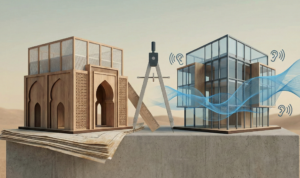
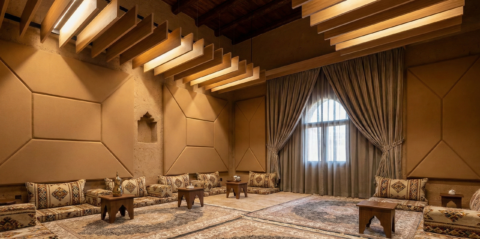
Traditional majlis architecture features distinctive elements including geometric patterns, carved woodwork, ornate ceilings, and rich textiles. Acoustic treatments must complement rather than compete with these cultural design features.
Custom acoustic panels fabricated with traditional patterns, Islamic geometric designs, or Arabic calligraphy blend sound control with cultural aesthetics. These panels become decorative focal points that honor heritage while delivering essential acoustic performance.
Textile Integration
Traditional majlis spaces incorporate extensive textiles including carpets, wall hangings, and upholstered seating. These elements provide natural sound absorption that acoustic design leverages and enhances. Additional acoustic treatments coordinate with textile selections, creating cohesive design while optimizing sound control.
Heavy drapes traditionally used in majlis design offer dual benefits of privacy and acoustic absorption. Modern acoustic curtain systems enhance these traditional elements with engineered fabrics that maximize sound control without sacrificing the luxurious appearance Saudi homeowners expect.
Ceiling Treatment Strategies
Ornate coffered ceilings common in majlis design present excellent opportunities for acoustic integration. Sound-absorbing materials install within coffer recesses, invisible to occupants while effectively controlling overhead sound reflections.
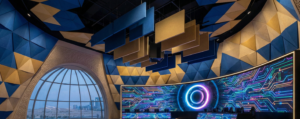
Decorative acoustic clouds suspended from high ceilings address reverberation while adding visual interest. Custom-shaped elements coordinate with room geometry and design themes, appearing as intentional architectural features rather than obvious acoustic afterthoughts.
Material Selection for Cultural Appropriateness
Natural Materials
Wood acoustic panels align with traditional majlis aesthetics while providing effective sound control. Perforated wood panels with acoustic backing combine the warmth of natural materials with engineered performance. Finish options match existing woodwork, creating seamless integration.
Stone and marble dominate many majlis floors and lower wall areas. While acoustically reflective, these traditional materials remain essential to authentic design. Acoustic treatment focuses on upper walls and ceilings, allowing traditional hard surface finishes at lower levels while controlling overall room acoustics.
Color and Pattern Coordination
Acoustic panels available in endless color options coordinate with traditional majlis color palettes including rich jewel tones, earth colors, and elegant neutrals. Custom printing reproduces traditional patterns, family crests, or commissioned artwork directly onto acoustic panels.
This customization transforms acoustic treatment from purely functional necessity into personalized design statements that reflect family heritage and individual taste while delivering superior sound control.
Addressing Multi-Purpose Majlis Spaces
Modern Saudi homes often require majlis spaces to serve multiple functions beyond traditional reception purposes. Business meetings, family celebrations, informal gatherings, and cultural events all occur within these versatile rooms.
Acoustic design accommodates this variety by creating neutral sound environments that support different activities equally well. Balanced reverberation times work for both intimate conversations and larger gatherings where some ambient energy enhances festive atmospheres.
Professional Implementation Considerations
Acoustic Modeling and Measurement
Professional acoustic consultants use computer modeling to predict room behavior and optimize treatment placement before installation. This approach prevents costly trial-and-error while ensuring desired acoustic outcomes.
Post-installation measurements verify that completed treatments achieve design targets. These objective assessments provide confidence that your investment delivers promised performance improvements.
Collaboration with Architects and Designers
Successful majlis acoustic projects require close collaboration between acoustic specialists, architects, and interior designers. Early involvement of acoustic consultants during design phases allows seamless integration of sound control with architectural planning.
Experienced providers like akinco KSA understand both technical acoustic requirements and cultural design expectations specific to Saudi majlis spaces. This dual expertise ensures solutions that satisfy acoustic performance standards while honoring traditional aesthetics.
Installation Timing and Coordination
Acoustic treatment installation coordinates with overall construction or renovation schedules. Many treatments install after structural work completes but before final finishes, requiring careful timing to avoid delays or conflicts with other trades.
Some acoustic solutions integrate during initial construction, including sound isolation measures within wall assemblies. Planning these elements during design phases prevents expensive modifications later.
Long Term Value and Maintenance
Quality acoustic treatments provide decades of reliable performance with minimal maintenance requirements. Fabric panels benefit from periodic cleaning, easily accomplished during routine household maintenance.
The improved conversation quality, enhanced privacy, and comfortable acoustic environment add significant value to properties while improving daily family life. Guests notice and appreciate the pleasant acoustic atmosphere even without consciously recognizing the acoustic treatments creating that comfort.
Modernizing Tradition Thoughtfully
Contemporary majlis design balances cultural heritage with modern lifestyle needs. Acoustic excellence represents one area where modern technology enhances traditional spaces without compromising their essential character.
The result is a majlis that fulfills its timeless role as the heart of Saudi family and social life while meeting contemporary expectations for comfort, privacy, and acoustic quality. Traditional hospitality expressed through modern acoustic design creates spaces where conversations flow naturally, privacy remains assured, and cultural traditions thrive in acoustically optimized environments.
Frequently Asked Questions
Will acoustic panels make my majlis look too modern?
No. Custom acoustic panels reproduce traditional patterns, Islamic designs, and cultural motifs that complement heritage aesthetics. Many treatments become invisible design elements that honor rather than conflict with traditional styling.
How do acoustic treatments affect majlis cooling systems?
Properly designed acoustic treatments do not interfere with HVAC performance. Acoustic consultants coordinate with mechanical engineers to ensure treatments integrate without blocking air distribution or reducing system efficiency.
Can acoustic treatment be added without major renovation?
Yes. Surface-mounted acoustic panels install directly onto existing walls and ceilings without structural modifications. This approach allows significant acoustic improvements through straightforward installation processes.
What’s the typical cost for majlis acoustic treatment?