

Riyadh’s hospitality sector is experiencing extraordinary growth, with billions of dollars invested in luxury hotel developments supporting Saudi Arabia’s tourism expansion under Vision 2030. As international hotel brands establish flagship properties and local developers raise quality standards, one technology has emerged as the preferred solution for combining acoustic excellence with aesthetic sophistication: acoustic fabric panels. These versatile systems are transforming how luxury hotels approach guest experience, delivering the whisper-quiet environments discerning travelers expect while enhancing interior design rather than compromising it.
The Acoustic Imperative in Luxury Hospitality
Guest satisfaction surveys consistently identify noise as among the top factors influencing hotel reviews and repeat bookings. In luxury segments where guests pay premium rates, expectations for acoustic comfort are absolute. A single night disturbed by corridor noise, adjacent room sounds, or mechanical system hum can generate negative reviews that impact a property’s reputation and revenue for years.
Riyadh’s luxury hotels face unique acoustic challenges. Many properties occupy high-rise towers in dense urban environments with significant traffic and construction noise. Mixed-use developments combining hotels with retail, dining, and entertainment create internal noise sources that must be carefully controlled. International brand standards typically require Sound Transmission Class (STC) ratings of 55-60 between guest rooms and 60-65 for walls separating rooms from corridors or service areas.
Acoustic fabric panels have emerged as the optimal solution for meeting these demanding requirements while supporting the distinctive design visions that differentiate luxury properties in competitive markets.
Design Flexibility Meets Acoustic Performance
Traditional acoustic solutions often forced compromises between performance and aesthetics. Hard acoustic tiles, perforated metal panels, or exposed fiberglass treatments rarely complemented luxury interior design concepts. Acoustic fabric panels eliminate this compromise through sophisticated engineering that wraps high-performance acoustic cores in premium fabric finishes.
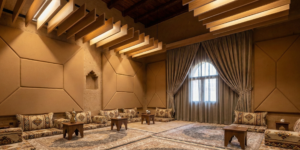
The result is acoustic treatment that becomes a design feature rather than a technical necessity to be hidden. Panels are available in virtually unlimited colors, textures, and patterns, allowing seamless integration with any design vision. Whether a property embraces contemporary minimalism, traditional Saudi architectural themes, or maximalist luxury, acoustic panels can be specified to enhance the intended atmosphere.
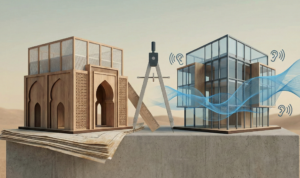
Custom printing capabilities enable branded graphics, artistic expressions, or culturally significant patterns to be incorporated into acoustic treatments. Some Riyadh luxury properties feature panels with geometric patterns inspired by Islamic art, creating visual connections to Saudi heritage while delivering modern acoustic performance.
Three-dimensional panels add sculptural interest to walls and ceilings, transforming functional acoustic treatment into dramatic focal points. This design flexibility particularly appeals to luxury hotels where every surface contributes to brand identity and guest experience.
Strategic Applications Throughout Properties
Luxury hotels deploy acoustic fabric panels strategically across multiple environments, each with specific acoustic and design requirements:
Guest Rooms and Suites: Wall-mounted panels behind headboards serve dual purposes—enhancing acoustic privacy between rooms while creating elegant design features. Ceiling-mounted panels control reverberation, creating intimate acoustic environments conducive to rest and relaxation.
Corridors and Public Spaces: High-traffic areas benefit from acoustic panels that reduce noise generation at the source. Panels absorb footfall sounds, conversation, and activity noise before they can disturb guest rooms. This proactive approach proves more effective than relying solely on room sound isolation.
Restaurants and Dining Venues: Luxury hotel restaurants require careful acoustic balance, enough liveliness to feel energetic, but controlled reverberation ensuring comfortable conversation. Fabric panels allow precise tuning of these acoustic characteristics while complementing sophisticated interior designs.
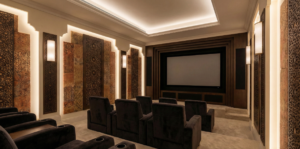
Conference and Event Spaces: Business travelers expect flawless acoustic performance in meeting facilities. Fabric panels provide essential sound absorption while maintaining the refined aesthetics expected in luxury business environments. Many systems integrate with AV equipment, supporting presentation technologies seamlessly.
Spa and Wellness Centers: These sanctuaries of tranquility require exceptionally quiet environments. Acoustic panels create the acoustic isolation and absorption necessary for true relaxation, with soft fabric finishes complementing the sensory experience spas aim to provide.
Technical Performance Advantages
Beyond aesthetic benefits, acoustic fabric panels deliver superior technical performance critical for luxury hospitality applications:
Broad-Spectrum Sound Absorption: Quality panels achieve Noise Reduction Coefficient (NRC) ratings of 0.80-1.00, meaning they absorb 80-100% of sound energy across speech frequencies. This performance effectively controls reverberation and echo in guest-facing spaces.
Class A Fire Rating: Safety is paramount in hospitality environments. Leading fabric panel systems meet the highest fire safety classifications, supporting compliance with Saudi building codes and international hotel brand requirements.
Durability and Cleanability: Hotel environments demand materials that maintain appearance despite constant use. Premium fabric panel systems resist staining, support cleaning without acoustic degradation, and maintain aesthetic appeal for years—critical for protecting property image and controlling lifecycle costs.
Impact Resistance: Unlike some acoustic treatments susceptible to damage, rigid-core fabric panels withstand minor impacts common in hotel environments without visible damage or performance loss.
Installation Efficiency and Flexibility
Riyadh’s hotel development timelines are often aggressive, with properties needing to open by specific dates supporting events, seasons, or brand commitments. Acoustic fabric panels support these schedules through several characteristics:
Panels install quickly using simple mounting systems, reducing labor time compared to complex ceiling grid systems. This rapid installation is particularly valuable during final finishing phases when multiple trades compete for access.
The systems accommodate future modifications easily. If properties renovate or refresh interiors—common in hospitality where design trends evolve—panels can be relocated, replaced, or reconfigured without affecting base building elements.
For developers working with providers like Akinco KSA who understand hospitality requirements, prefabrication of custom panel configurations in controlled environments ensures quality while compressing on-site installation schedules.
Return on Investment
The premium pricing of acoustic fabric panels compared to basic acoustic solutions is offset by multiple value factors:
Enhanced Guest Satisfaction: Superior acoustic environments directly improve guest satisfaction scores, supporting higher occupancy rates and average daily rates. Properties known for exceptional quietness command pricing premiums and attract repeat guests.
Reduced Complaints and Room Moves: Effective acoustic control minimizes noise-related complaints that consume staff time and potentially require costly room relocations. This operational efficiency contributes to bottom-line performance.
Design Differentiation: In competitive luxury markets, distinctive interiors influence booking decisions. Acoustic panels that enhance design while solving technical requirements support brand positioning and marketing.
Longevity: Quality fabric panel systems maintain performance and appearance for decades, avoiding replacement costs associated with lower-quality alternatives.
The integration of PET Acoustic Panels (polyester fiber acoustic panels) in some applications provides additional sustainability benefits, as these panels utilize recycled plastic materials while delivering excellent acoustic performance—a consideration for properties pursuing green certifications.
Future-Proofing Riyadh’s Hospitality Excellence
As Riyadh’s hotel sector matures and competition intensifies, properties that invested in superior acoustic environments through technologies like acoustic fabric panels will maintain competitive advantages. Guest expectations continue rising, and the properties that exceed those expectations in every detail—including acoustic comfort- will dominate future hospitality markets.
The technology’s alignment with soundproofing in Saudi Arabia best practices, combined with aesthetic versatility and proven performance, positions acoustic fabric panels as the standard for luxury hospitality developments throughout the Kingdom.
FAQs
1. What NRC rating should acoustic fabric panels achieve in hotel applications?
For luxury hotel applications, acoustic fabric panels should achieve NRC ratings of 0.80 or higher. Premium products reach NRC 0.95-1.00, providing maximum sound absorption for guest rooms, restaurants, and public spaces where acoustic comfort is critical.
2. How do acoustic fabric panels compare to traditional ceiling tiles?
Acoustic fabric panels typically provide superior sound absorption, unlimited design options, and better durability compared to ceiling tiles. While ceiling tiles serve functional purposes in back-of-house areas, fabric panels are preferred for guest-facing spaces where aesthetics matter.
3. Can acoustic fabric panels withstand hotel cleaning requirements?
Yes, quality acoustic fabric panel systems are engineered for commercial environments with Class A fabric treatments that resist staining and support routine cleaning. Many systems can be wiped clean or vacuumed without affecting acoustic performance or appearance.
4. What is the typical lifespan of acoustic fabric panels in hotels?
Properly specified and installed acoustic fabric panels typically last 15-25+ years in hotel applications, maintaining both acoustic performance and aesthetic appearance. This longevity makes them cost-effective despite higher initial investment compared to basic alternatives.
5. Do acoustic fabric panels require special installation expertise?
While basic installation skills suffice for simple applications, luxury hotel projects benefit from experienced installers who understand acoustic performance verification, precise alignment requirements, and integration with other building systems. Professional installation ensures optimal results.