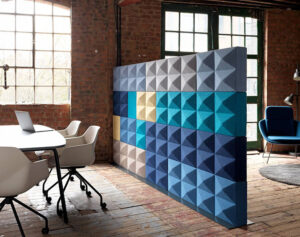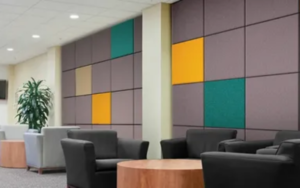
People investing in acoustic treatment ask one question: How long will Fabric Panels last? The answer is not simple. Longevity depends on the core materials, the exterior finish, and safety ratings. Understanding these parts helps you choose Acoustic fabric panels. Good panels keep their look and sound-reduction qualities for many years.
Durability and Acoustic Performance
A durable acoustic panel looks good. It also performs its job consistently over time. Low-quality Fabric Panels may sag, warp, or crumble. This change affects the air gaps and density needed for sound absorption. Durability means consistent sound performance.
Core Material Comparison
The core material is the heart of the panel. It does most of the sound absorption. Fiberglass and mineral wool are the most common high-performance materials.
Fiberglass Core
Fiberglass is often a high-density, semi-rigid insulation board. It is made of fine glass fibers spun into a mat. This creates many tiny air pockets. These pockets trap and scatter sound energy.
-
Longevity: Fiberglass is very stable. It resists sagging or settling over time. It keeps its thickness and acoustic performance.
-
Density: It is available in different densities. Higher density provides better low-frequency absorption.
-
Moisture Resistance: The panel resists moisture damage. It must be sealed and installed correctly to stop water entry.
Mineral Wool (Rock Wool) Core
Mineral wool, or rock wool, comes from molten rock and slag spun into thin fibers. It offers performance similar to fiberglass.
-
Longevity: Like fiberglass, it resists compression or slumping. The panel keeps its shape and thickness for absorption.
-
Thermal and Fire Resistance: Mineral wool is naturally non-combustible. This makes it a favored choice where fire resistance is a top priority.
-
Sustainability: It can be made with a high percentage of recycled content (slag). This appeals to green building projects.
The Problem with Foam Cores
Cheap acoustic foam is common. It has poor durability and acoustic problems. Foam can decay, yellow, and lose its shape. Its absorption qualities at lower frequencies are poorer than fiberglass or mineral wool.
The Fabric Quality
The fabric covering protects the panel. It guards against daily wear, UV exposure, and physical damage. A high-quality, durable fabric keeps the panel looking good and working well.
Tightly Woven and High-Abrasion Fabrics
The best fabrics are made for high-traffic areas, like commercial offices or theaters.
-
Abrasion Rating: Look for fabrics with a high Wyzenbeek rating. This measures resistance to wear. Commercial-grade fabrics often exceed 30,000 double rubs. They can withstand light contact, dusting, and washing without pilling or tearing.
-
Tension and Sagging: A tight weave and proper tautness stop the fabric from stretching or bulging. These are common flaws in cheap panels.
-
UV Resistance: Fabrics near windows must be highly UV-resistant. This prevents fading. Fading spoils the look of an installation.
Acoustic Filtering by Fabric
The core absorbs sound. The fabric must be acoustically transparent. The cloth should be “breathable.” It must be dense enough to be strong. It must also be porous enough to let high-frequency sound pass through to the core. Good acoustic textiles are designed for this mix of durability and acoustic transparency.
Safety and Fire Resistance
In commercial, public, and high-class residential areas, fire resistance is a requirement. It also shows the durability and quality of the Fabric Panels.
ASTM E-84 Class A Rating
Good acoustic panel makers certify their products with an ASTM E-84 Class A rating. This standard tests the surface burning properties of building materials.
-
Flame Spread Index: This measures the rate a flame spreads. Class A requires a score of 0–25.
-
Smoke Developed Index: This measures the quantity of smoke produced. Class A requires a score of 0–450.
Using materials like fire-resistant mineral wool helps meet this standard. Applying fire-retardant chemicals to the fabric also helps. This rating is a mark of a durable, commercial-grade product.
Panel Edges and Framing
The edges are the weakest part of any acoustic panel.
Hardened Edge Treatments
Good Fabric Panels have resin-hardened edges or an internal wooden frame. This structure stops the corners and sides from being crushed or frayed. This damage can happen during installation, shipping, or cleaning. A sharp, durable edge maintains a professional look. It also helps in wrapping the fabric tightly.