
Finding the Best Sound Absorption Materials is a crucial task in soundproofing. We have all experienced it: the distracting echo in a minimalist office, the overwhelming clatter of a busy restaurant, or the muddled dialogue in a home theatre with high ceilings. These are not just minor annoyances; they are symptoms of poor room acoustics, a problem that can impact productivity, comfort, and our overall enjoyment of a space.
The solution lies in understanding and implementing a category of materials specifically engineered to control sound. This is your definitive guide to Best Sound Absorption Materials. We will explore what they are, the science behind how they work, the different types available, and how you can use them to transform any noisy, reverberant space into an environment of clarity and calm.
The First Crucial Distinction: Absorption vs. Blocking
Before diving into specific materials, it’s essential to understand the single most important concept in acoustics: the difference between sound absorption and sound blocking.
Sound Absorption (Improving Sound Inside a Room)
This is the primary focus of this guide. Sound absorption is the process of reducing echo and reverberation within a single space. Materials that do this act like an acoustic sponge; they soak up excess sound energy to prevent it from bouncing around the room. The goal is to improve speech clarity, reduce overall noise levels, and create a more pleasant-sounding environment.
Sound Blocking (Stopping Sound Between Rooms)
Often confused with absorption, sound blocking (or soundproofing) is the process of preventing sound from travelling from one room to another. This requires materials that are heavy, dense, and airtight. This is the job of an Acoustic Barrier. Materials like Mass Loaded Vinyl (MLV), concrete, and specially constructed decoupled walls serve as an Acoustic Barrier. They are designed to reflect and block sound energy from passing through.
Key Takeaway: You use absorption materials to fix echo in your room. You use a barrier to stop hearing your neighbour’s TV. This guide focuses on absorption.
How Do Best Sound Absorption Materials Work?
Sound travels in waves of energy. When these waves hit a hard, non-porous surface like glass or concrete, they bounce off, creating reflections that we perceive as echo and reverberation.
Sound Absorption Materials work by doing the opposite. They are engineered to be porous, meaning they are full of tiny, interconnected pockets of air. The process is simple yet effective:
- Sound Enters: A sound wave enters the material’s porous surface.
- Friction is Created: As the sound wave travels through the intricate network of fibres and air pockets, it causes them to vibrate. This creates friction.
- Energy is Converted: The friction converts the sound energy into a minuscule, imperceptible amount of heat.
Because the energy has been converted, it cannot escape back into the room as a reflection. The sound has been “absorbed.” The effectiveness of a material is measured by its Noise Reduction Coefficient (NRC), a rating from 0 (perfectly reflective) to 1 (perfectly absorptive). High-performance materials typically have an NRC of 0.80 or higher.
A Guide to Common Sound Absorption Materials
There is a wide variety of materials available, each with its own performance characteristics, aesthetics, and ideal applications.
1. Acoustic Foam Panels
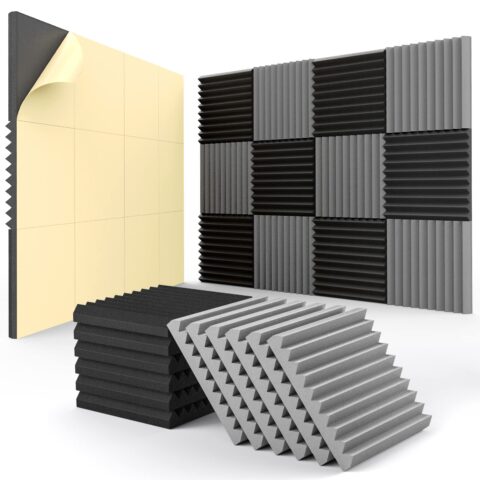
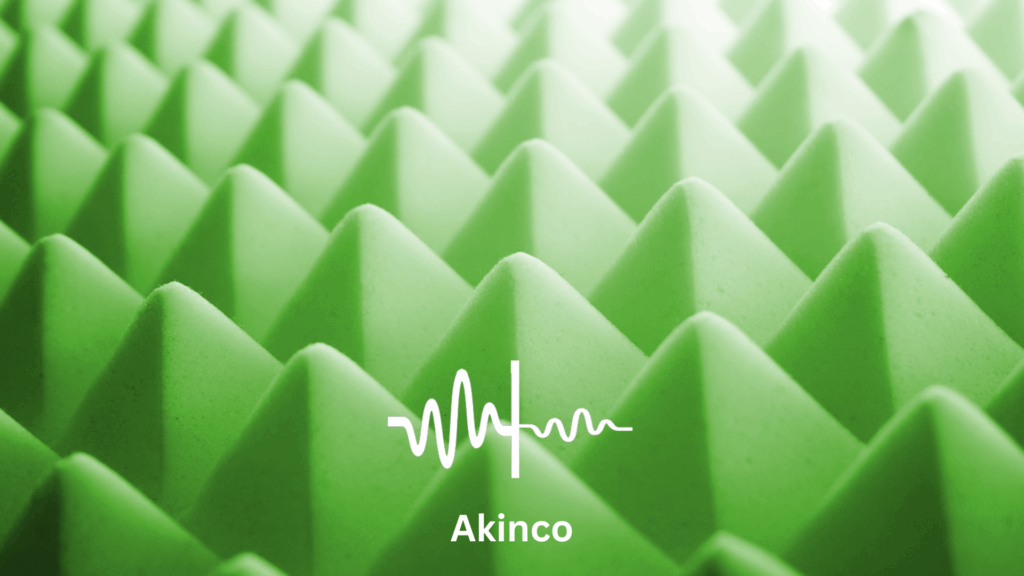
Often the first thing people picture, Sound Insulation Foam is a popular choice for its distinct look and effectiveness at taming mid-to-high frequency sounds.
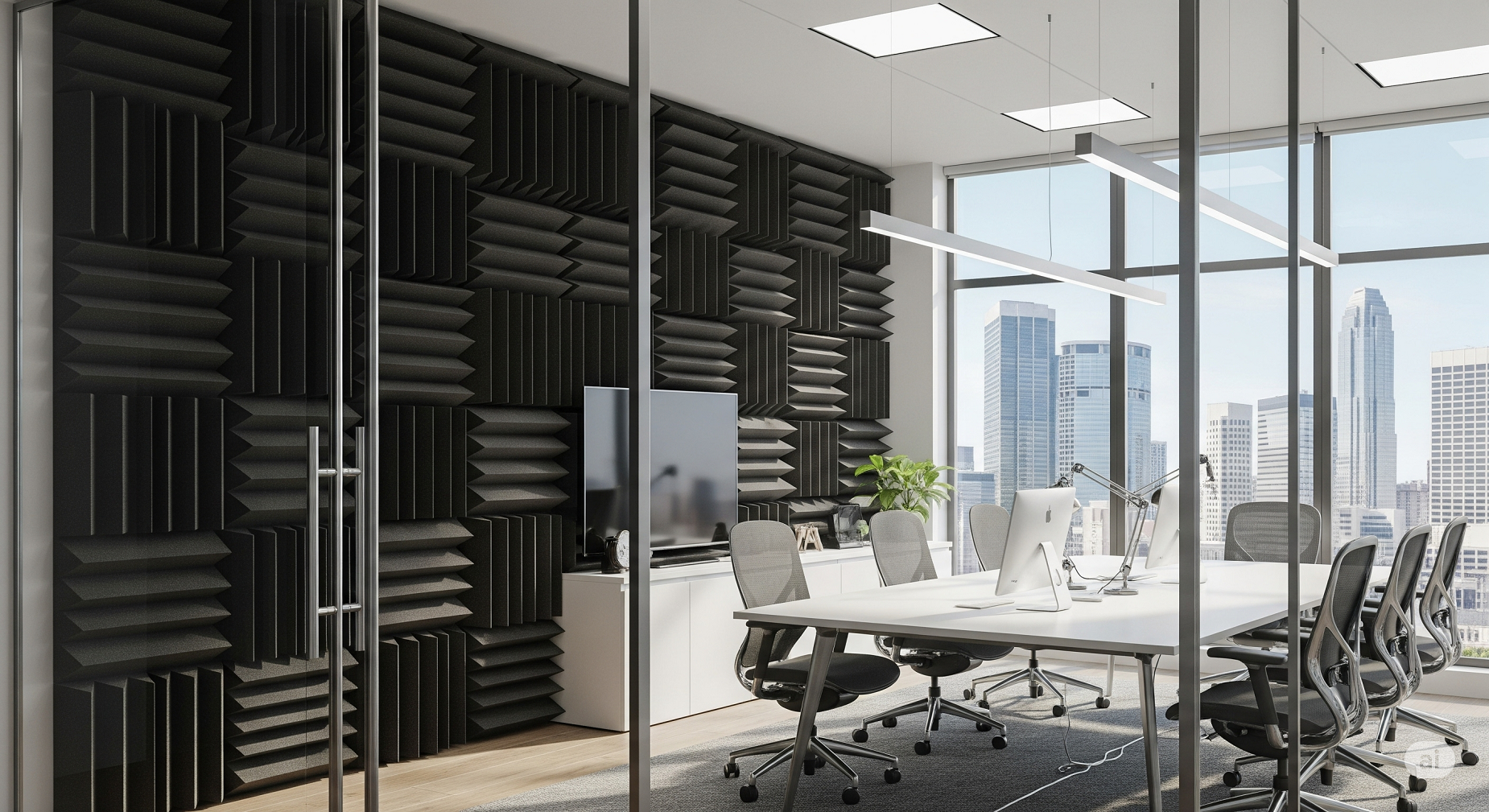
- How it Works: It is made from an open-cell structure (typically polyurethane or melamine) that allows sound to enter and be absorbed. It’s crucial to distinguish professional acoustic foam from cheap, closed-cell packaging foam, which is ineffective for sound absorption.
- Best For: Recording studios, podcast rooms, home theaters, and gaming rooms where controlling flutter echo is important. Its sculpted shapes (like wedges and pyramids) help to increase the available surface area for absorption.
2. Acoustic Fiberglass and Mineral Wool Panels (Wood Wool Sound Absorption Panels)
These are the industry standard for high-performance, broadband absorption. They are extremely effective across a wide range of frequencies.
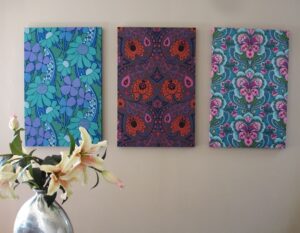
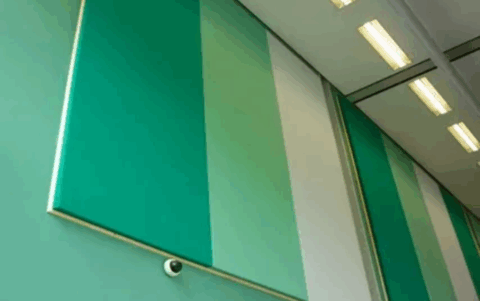
- How it Works: Wood Wool Sound Absorption panels consist of a rigid core made from dense boards of fiberglass or mineral wool fibres. Because the raw fibres can be irritants, the core is almost always enclosed in an acoustically transparent fabric wrap.
- Best For: Any application requiring top-tier performance, such as offices, restaurants, auditoriums, and cinemas. The fabric wrap allows for a huge range of aesthetic choices to match any interior design.
3. PET Felt Panels
A modern and sustainable innovation, PET (Polyethylene Terephthalate) felt is quickly becoming a favourite among architects and designers.
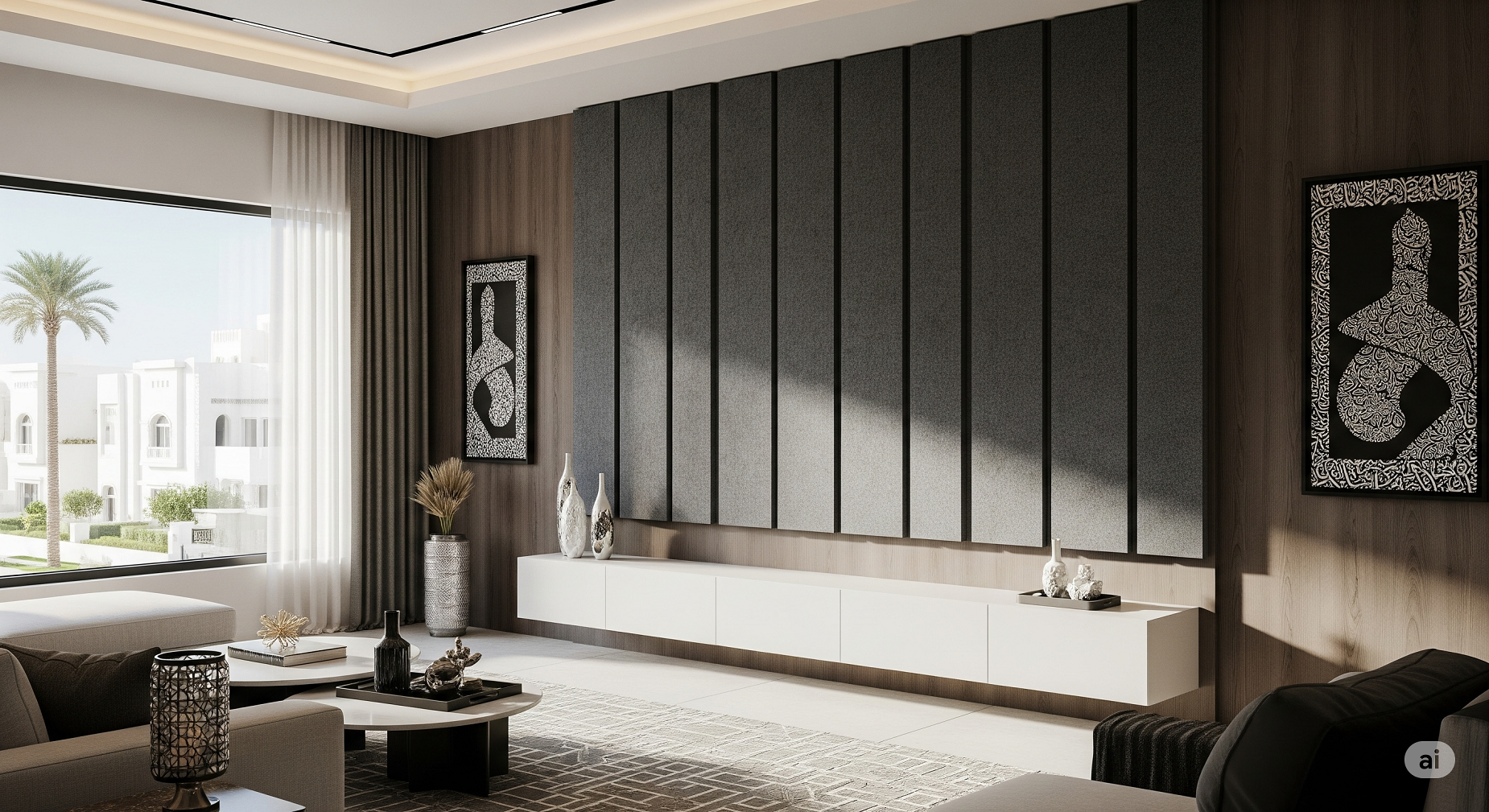
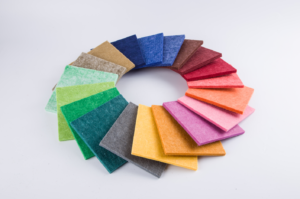
- How it Works: These rigid or semi-rigid panels or polyester fiber sound absorption Panels are made from recycled plastic bottles, compressed into a high-density felt. This material is naturally porous and absorptive.
- Best For: Offices, schools, and public spaces. PET felt is highly durable, often tackable (can be used as a pinboard), and comes in a vast array of colours and pre-cut shapes. It often doesn’t require a fabric wrap, offering a clean, minimalist aesthetic.
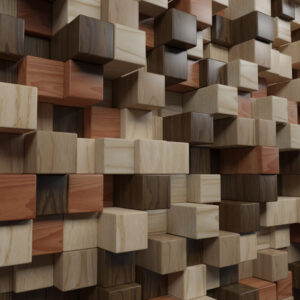
4. Wood-Slatted (Fluted) and Perforated Wood Panels
For projects demanding the highest level of architectural finish, wood panels offer a sophisticated solution.
- How it Works: These systems combine the beauty of wood with powerful acoustics. The sound passes through the gaps between the slats (or the holes in the perforated panels) and is absorbed by an acoustic backing material (like PET felt or fiberglass) hidden behind it. The wood surface also provides a degree of sound diffusion, scattering sound for a more natural feel.
- Best For: Premium boardrooms, hotel lobbies, auditoriums, and luxury residences where aesthetics are paramount.
5. Ceiling Solutions: Baffles and Clouds
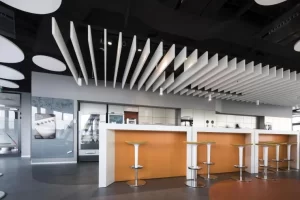
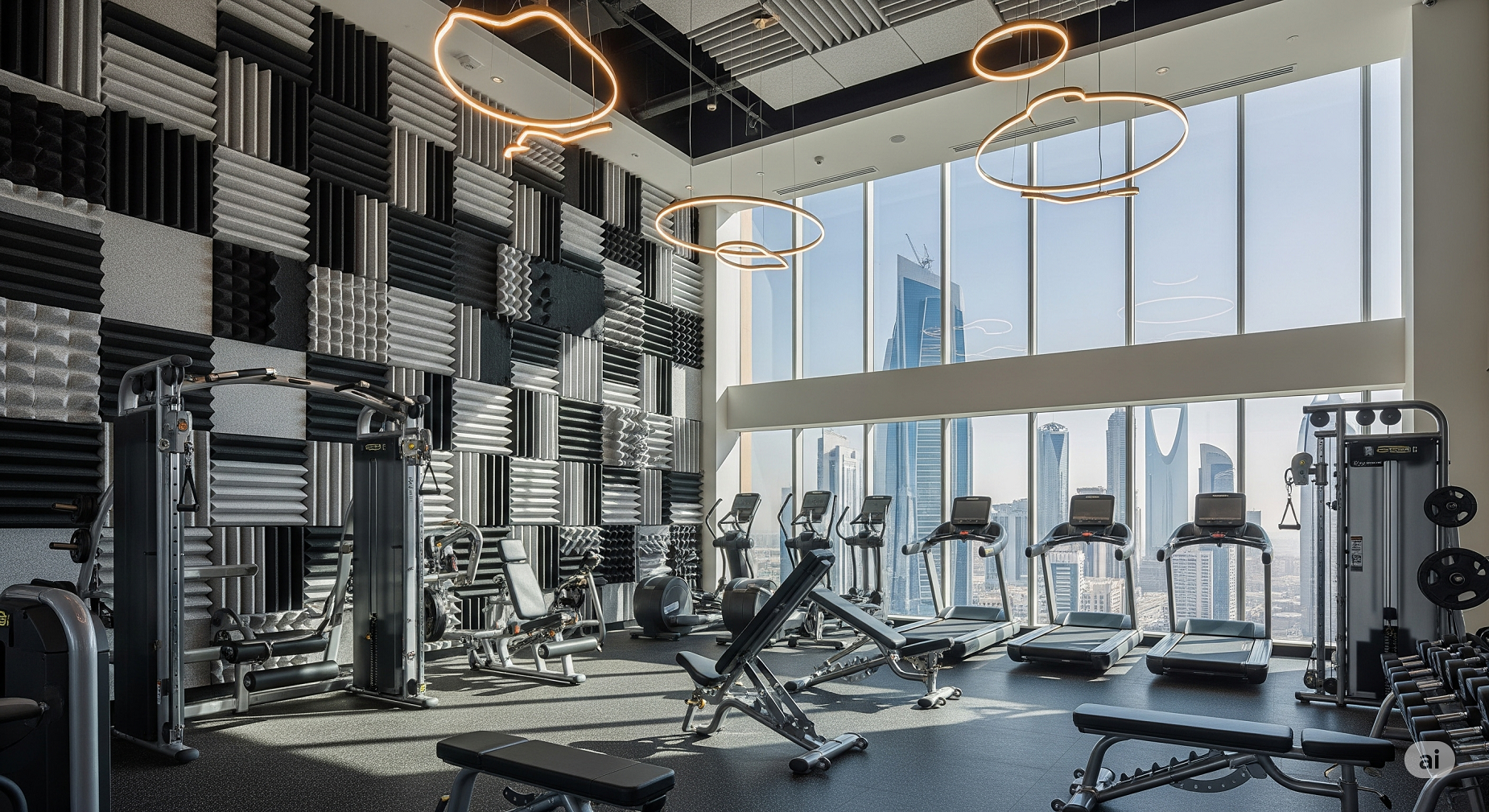
In large, open-plan spaces with high ceilings (like atriums, gyms, or industrial-style restaurants), treating the walls may not be enough or even possible.
- How it Works: These are simply absorptive panels (usually fiberglass or PET felt or Wood Wool Sound Absorption panels) or polyester fiber sound absorption panels hung from the ceiling. Baffles are hung vertically in rows, while Clouds are hung horizontally, parallel to the floor.
- Best For: Controlling reverberation in large volume spaces. Because sound is absorbed on all exposed sides, they are extremely efficient.
Practical Applications for a Quieter Environment
- Offices & Meeting Rooms: To improve speech clarity and reduce the distracting “office din.”
- Restaurants & Cafes: To lower the overall noise level, allowing for comfortable conversation.
- Home Theaters & Studios: To eliminate reflections and achieve accurate, clear audio.
- Schools & Lecture Halls: To ensure every student can hear and understand the lesson.
- Gymnasiums & Lobbies: To tame the massive echo common in large, open areas.
Conclusion
Choosing the Best Sound Absorption Materials is about correctly identifying your acoustic problem and selecting a solution that meets your performance needs and aesthetic goals. From a simple sheet of Sound Insulation Foam to an elegant architectural wood panel, the goal is the same: to stop chaotic reflections and create a clear, comfortable, and functional acoustic environment.

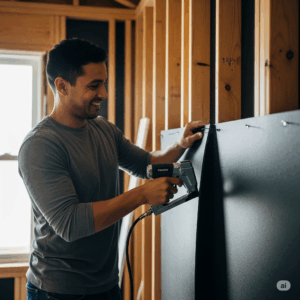




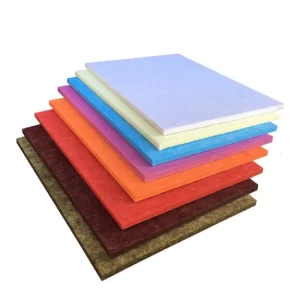 from recycled polyethylene terephthalate (PET) plastic bottles, they divert significant waste from landfills. Beyond their eco-friendly origins, Acoustic Polyester Panels
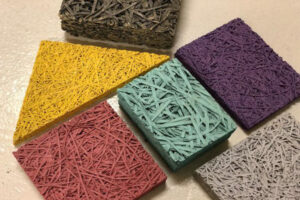 natural aesthetics, excellent sound absorption, and good thermal insulation properties. They are durable, breathable, and often made from sustainably sourced timber.
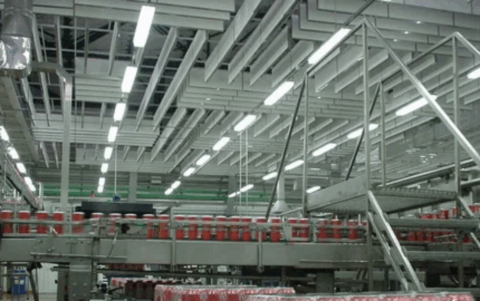
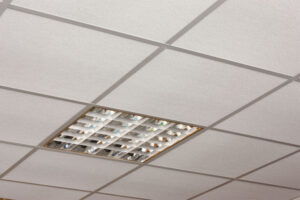 suspended grid systems, modern acoustic ceiling tiles are far more advanced than their predecessors. Available in a vast array of materials such as mineral fiber, fiberglass, and increasingly, sustainable options like recycled content, they come in diverse textures, patterns, and colors.
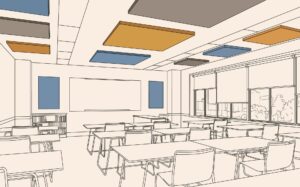 targeted acoustic control.