
Acoustic Polyester Panels are Grate for Leed Credits.
Riyadh, a city rapidly evolving with ambitious development projects, is not just building upwards but also striving to build smarter and more sustainably. As the Kingdom of Saudi Arabia embraces its Vision 2030, the focus on sustainable urban development is sharper than ever. A crucial, yet often underestimated, element in this green transformation is the intelligent integration of sustainable acoustical products, which not only enhance occupant well-being but also contribute significantly to earning valuable LEED (Leadership in Energy and Environmental Design) credits.
LEED, a globally recognized green building certification program, provides a framework for healthy, highly efficient, and cost-saving green buildings. For projects in Riyadh aiming for LEED certification – whether it’s for a new corporate headquarters, a bustling retail complex, or a serene healthcare facility – acoustic performance plays a vital role. In fact, the Indoor Environmental Quality (IEQ) category within LEED specifically rewards projects that prioritize acoustic comfort, recognizing that a truly sustainable building is one that fosters the health, productivity, and overall well-being of its occupants.
The Riyadh Advantage: Why Sustainable Acoustics Matter Here
The unique architectural landscape of Riyadh, often characterized by expansive, modern structures with hard surfaces like glass and concrete, can inadvertently create challenging acoustic environments. These spaces are prone to excessive reverberation, leading to:
- Reduced Speech Intelligibility: In offices, this means miscommunication and frustration. In educational settings, it hinders learning.
- Increased Stress and Fatigue: Constant noise pollution contributes to a less comfortable and more taxing environment.
- Decreased Productivity: Distractions from echoes and noise can significantly impact focus and efficiency.
Beyond these immediate impacts, the materials used in acoustic solutions also have a significant environmental footprint. This is where the concept of “Sustainable Series Acoustical Products” becomes a game-changer for Riyadh’s green building initiatives. By choosing materials that are not only effective in sound absorption but also environmentally responsible, projects can achieve dual benefits: superior acoustic comfort and a reduced ecological impact.
Earning LEED Credits with Smart Acoustic Choices
Sustainable acoustical products contribute to LEED certification across several key categories:
- Indoor Environmental Quality (IEQ): This is where acoustic solutions truly shine. By implementing high-performance acoustic materials that reduce reverberation and control noise, projects can earn points for “Acoustic Performance.” This credit acknowledges the direct link between a well-managed sound environment and occupant comfort, health, and productivity. LEED for Schools and Healthcare often have specific prerequisites or enhanced credits for acoustics due to their critical nature.
- Materials and Resources (MR): This category rewards projects that select materials with reduced environmental impacts. Sustainable acoustic products often qualify for credits here through:
- Recycled Content: Products made from post-consumer or pre-consumer recycled materials (like Acoustic Polyester Panels in KSA) significantly reduce waste going to landfills.
- Regional Materials: Sourcing materials manufactured or extracted within a certain radius of the project site reduces transportation emissions and supports local economies.
- Low-Emitting Materials: Choosing products with low volatile organic compound (VOC) emissions improves indoor air quality, which is another crucial aspect of IEQ.
- Environmental Product Declarations (EPDs): Products with EPDs provide transparent, third-party verified information about their lifecycle environmental impacts, making it easier to select truly sustainable options.
- Innovation (IN): Projects that demonstrate exceptional performance or innovative strategies not specifically addressed in other credit categories can earn innovation points. Creative applications of sustainable acoustic solutions, such as integrating them into multi-functional architectural elements or pioneering new material combinations, can fall into this category.
- Energy and Atmosphere (EA): While primarily focused on energy efficiency, some acoustic products can indirectly contribute here. For example, certain materials can also offer thermal insulation, reducing the energy demand for heating and cooling. Additionally, highly reflective acoustic surfaces can sometimes reduce lighting requirements.
The Rise of Sustainable Acoustic Materials in Riyadh
Riyadh’s booming construction sector is increasingly seeking out materials that align with international sustainability standards. Among the most popular and effective “Sustainable Series Acoustical Products” gaining traction are:
- PET Felt Panels (Acoustic Polyester Panels): These panels are a sustainability superstar. Made
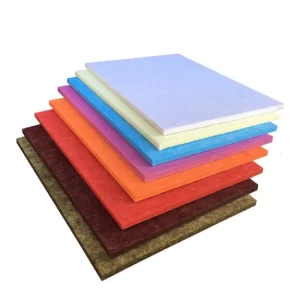 from recycled polyethylene terephthalate (PET) plastic bottles, they divert significant waste from landfills. Beyond their eco-friendly origins, Acoustic Polyester Panels offer exceptional sound absorption, are lightweight, durable, highly versatile in design, and available in a wide spectrum of colors and shapes. Their non-toxic, low-VOC properties ensure superior indoor air quality, making them an ideal choice for offices, schools, and healthcare facilities aiming for LEED certification in Riyadh. Local suppliers are increasingly offering these innovative products, making them accessible for projects across the Kingdom.
 - Recycled Cotton or Cellulose Fiber Panels: Utilizing post-industrial or post-consumer cotton fibers, these panels offer excellent acoustic performance while providing a natural, fibrous aesthetic. They are often inherently fire-resistant and contribute positively to recycled content goals.
- Wood Wool Acoustic Panels: Comprising wood fibers bonded with cement, these panels boast
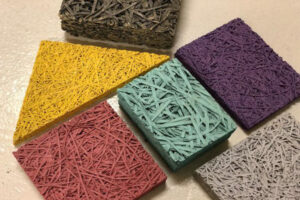 natural aesthetics, excellent sound absorption, and good thermal insulation properties. They are durable, breathable, and often made from sustainably sourced timber.
- Fabrics from Recycled Content: Acoustic panels wrapped in fabrics made from recycled polyester or other sustainable fibers offer a blend of aesthetic versatility and environmental responsibility. This allows designers to create custom visual effects while still achieving high NRC ratings.
Greening Riyadh’s Buildings, One Sound Wave at a Time
The shift towards sustainable building practices in Riyadh is not just about aesthetics or compliance; it’s about creating healthier, more productive, and more resilient urban environments for the future. By strategically integrating acoustic solutions in Riyadh that prioritize sustainability, such as Acoustic Polyester Panels and PET Felt Panels in KSA, developers and designers can:
- Enhance Occupant Experience: Create spaces where people feel more comfortable, focused, and less stressed.
- Reduce Environmental Footprint: Minimize waste, conserve resources, and lower embodied carbon in building materials.
- Achieve LEED Certification: Gain recognition for their commitment to green building and unlock potential incentives.
- Improve Building Value: Sustainable, high-performance buildings often command higher market values and attract discerning tenants.
As Riyadh continues its ambitious journey of transformation, the quiet revolution of sustainable acoustical products is playing an increasingly vital role. It’s a testament to the fact that true progress in urban development isn’t just about what we see, but also about what we hear – and how we build, sustainably, for generations to come.