
The Kingdom of Saudi Arabia is a vibrant nation in the midst of an unprecedented transformation. Across its vast landscape, the rhythmic sound of progress echoes—from the bustling streets of Riyadh and the coastal energy of Jeddah to the industrial hubs of Jubail and Yanbu. This rapid urbanization, however, brings with it a significant challenge: noise pollution. The constant hum of traffic, the clang of construction, and the whir of industrial machinery can disrupt our daily lives, compromising our health, productivity, and overall well-being.
While the problem of noise is pervasive, the solution is not a simple one-size-fits-all product. It requires a strategic approach, a deep understanding of sound, and the expertise of a professional acoustic barrier installer. The journey to a quieter kingdom begins with recognizing that a simple purchase is insufficient; true sound control is achieved through meticulous planning and a professional acoustic barrier installation.
The Unseen Threat: How Noise Pollution Impacts Our Lives
Before we can appreciate the solution, we must first understand the problem in depth. Noise pollution is more than just an annoyance; it is a serious environmental and health concern. The World Health Organization (WHO) has identified it as a leading public health risk in urban areas. Chronic exposure to high levels of noise can lead to a host of physiological and psychological issues:
- Physiological Effects: Prolonged noise exposure triggers the body’s stress response, releasing cortisol and adrenaline. This can lead to increased heart rate, elevated blood pressure, and a higher risk of cardiovascular disease. The disruption of sleep is one of the most damaging effects, as it impairs the body’s ability to repair and restore itself, leading to fatigue and reduced immunity.
- Psychological Impacts: Constant noise can be a source of significant stress, leading to irritability, anxiety, and a decrease in cognitive performance. In a professional environment, it can severely hinder concentration, creativity, and communication among employees.
- Quality of Life: On a broader scale, noise pollution diminishes our quality of life. It makes it difficult to relax in our homes, enjoy outdoor spaces, or have a peaceful conversation, eroding the sense of tranquility we all seek.
Addressing this issue requires a comprehensive strategy, and at its core is the professional use of a Noise Acoustic Barrier to contain, block, and manage sound at its source.
The Science of Silence: Understanding Acoustic Barriers
An acoustic barrier is not just a thick panel. It is a scientifically engineered system designed to block the transmission of sound waves. To effectively quiet an environment, you must understand the fundamental principles of soundproofing.
- Mass and Density: The most effective way to block sound is by adding mass to a structure. Heavier, denser materials are more difficult for sound waves to vibrate through. This is the core principle behind products like Mass Loaded Vinyl Barrier (MLV). MLV is a highly dense, flexible material that adds significant mass to a wall or ceiling without taking up a large amount of space. Its density allows it to stop a wide range of frequencies, including the low-frequency rumbles from machinery and traffic that are particularly challenging to block.
- The Power of Decoupling: Another critical strategy is decoupling, which involves creating an air gap between two surfaces. This prevents vibrations from passing directly from one surface to another. A professional acoustic barrier installer can design a decoupled wall system that uses resilient channels or sound clips to physically separate the layers, dramatically improving the soundproofing performance.
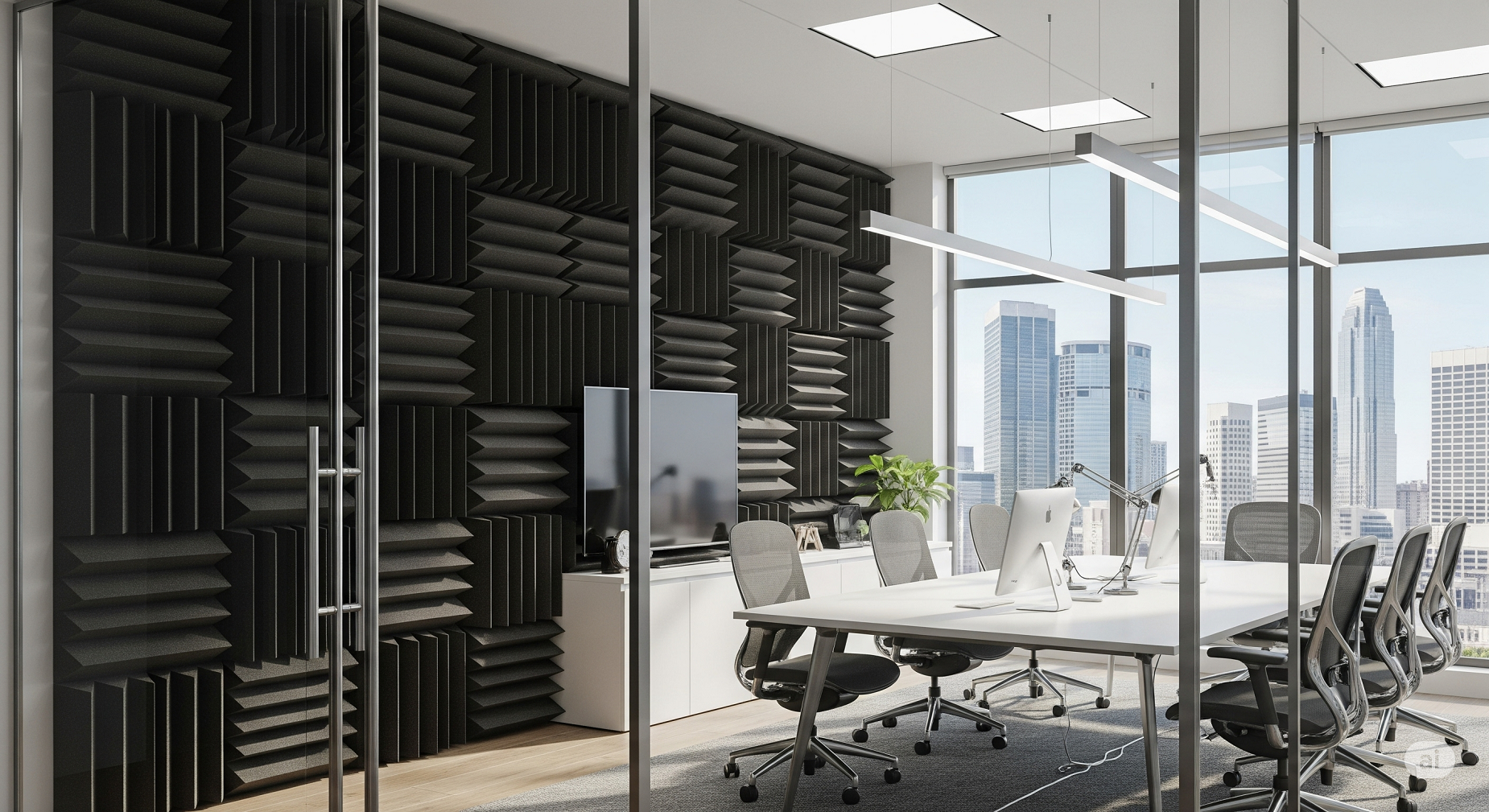
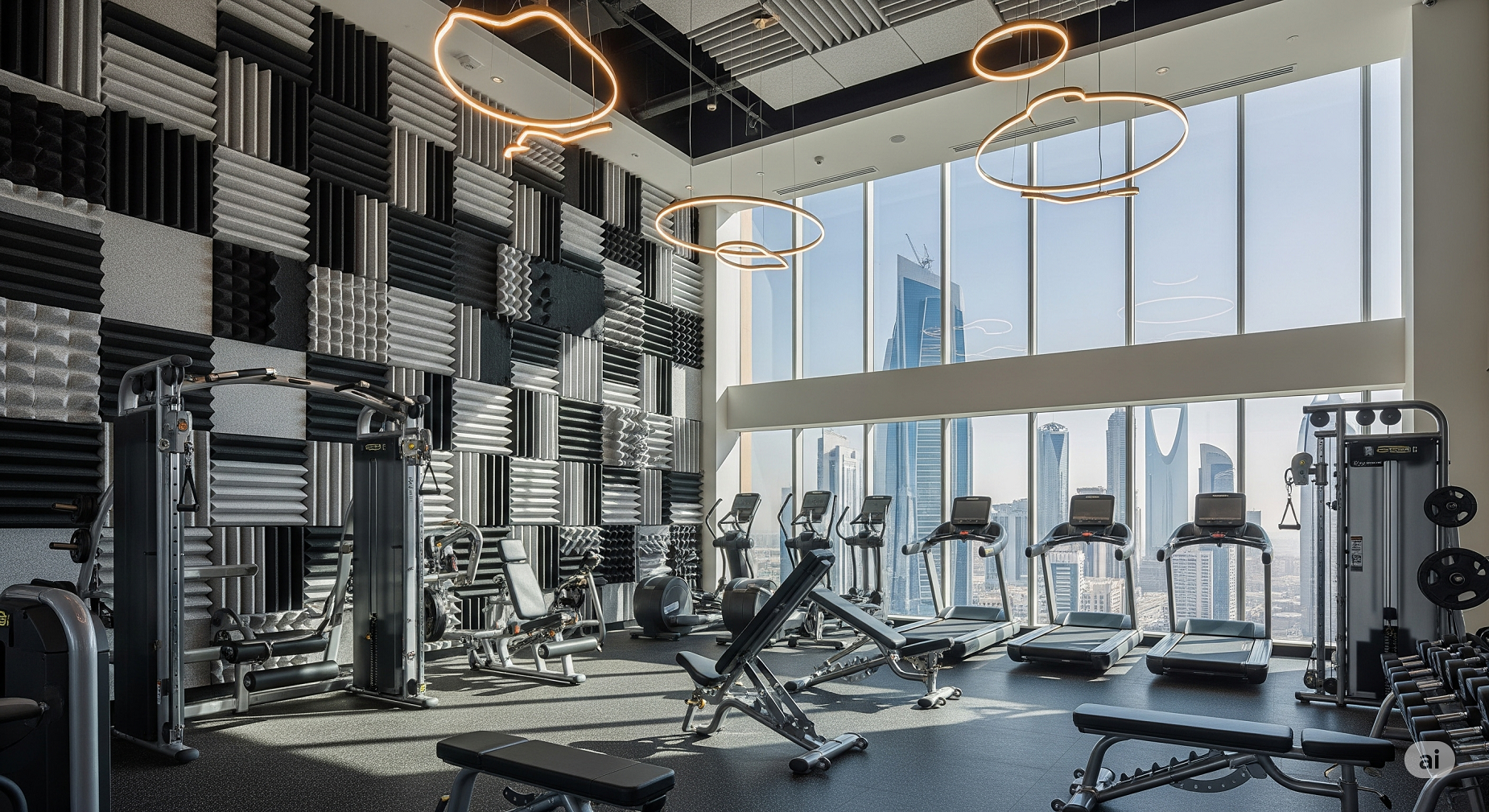
- Acoustic Barriers vs. Acoustic Absorption: It is crucial to distinguish between these two concepts. An acoustic barrier’s primary function is to block sound from entering or leaving a space. In contrast, acoustic absorption uses materials like foam or fabric panels to absorb sound waves within a room, reducing echo and reverberation. While both are part of a complete acoustic solution, only a barrier can effectively prevent sound transmission from an external source.
This nuanced understanding is why relying on a professional acoustic barrier installer is essential. They possess the knowledge to select the right material, whether it be a specialized vinyl acoustic barrier or a heavy-duty outdoor fence, and apply it with the precision required to achieve a quiet environment.
The Akinco Advantage: Your Partner in Professionalism
In a market saturated with products, the true value lies in the expertise of the acoustic barrier installer. Akinco, a trusted partner in Saudi Arabia, offers a full-service solution that goes far beyond simply supplying materials. Our comprehensive approach ensures that every acoustic barrier installation is not just effective, but perfectly tailored to your specific needs.
- Initial Assessment and Sound Analysis: The process begins with our team of certified acoustic engineers conducting a thorough on-site analysis. We measure sound levels, identify the primary noise source, and determine the most effective strategy to mitigate it. This scientific approach ensures we are treating the root cause of the noise, not just the symptoms.
- Customized Solutions: A professional acoustic barrier installer knows that every project is unique. For a factory in a bustling industrial city, the solution might involve a heavy-duty vinyl acoustic barrier enclosure, while a home near a busy highway might require a combination of MLV in the walls and acoustic seals on the windows. We design solutions that are specific to your environment, budget, and desired outcome.
- Flawless Installation: Even the most advanced Mass Loaded Vinyl Barrier will fail if installed incorrectly. Sound will always find the path of least resistance, seeking out small gaps and cracks. Our installation team is trained to meticulously seal all penetrations around pipes, electrical outlets, and ventilation systems. This attention to detail is what separates a professional installation from a DIY attempt and guarantees the long-term effectiveness of the barrier.
- Compliance and Safety: Our professional acoustic barrier installation methods adhere to local building codes and safety regulations. This is particularly critical for industrial and commercial projects where compliance is not just a recommendation but a legal requirement.
Real-World Applications in Saudi Arabia
Across the Kingdom, our professional acoustic barrier installation services are making a tangible difference:
- Construction Sites: With massive projects like the Riyadh Metro, construction noise can be a major source of disruption. We provide temporary Noise Acoustic Barrier solutions to shield surrounding neighborhoods, allowing for continued progress without impacting the community.
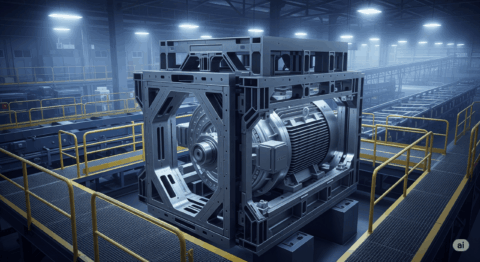
- Industrial Zones: In manufacturing plants and industrial cities like Jubail, our barriers are used to create quieter working environments, protecting employees from hearing damage and increasing productivity.
- Urban Residential Areas: For residents in high-density neighborhoods, our vinyl acoustic barrier solutions are transforming noisy apartments and villas into peaceful sanctuaries.
- Hospitality and Commercial Spaces: Our expertise ensures hotels, restaurants, and offices provide a serene atmosphere for their guests and employees, enhancing their brand reputation and customer satisfaction.
In a kingdom built on vision and ambition, a professional acoustic barrier installer is a partner in progress. They are the guardians of a peaceful environment, ensuring that the sound of progress is not a source of stress, but a testament to a healthier, more prosperous future. Don’t let noise compromise your quality of life. Contact us today to discover how our professional solutions can help you create your own pocket of silence in the heart of a thriving nation.



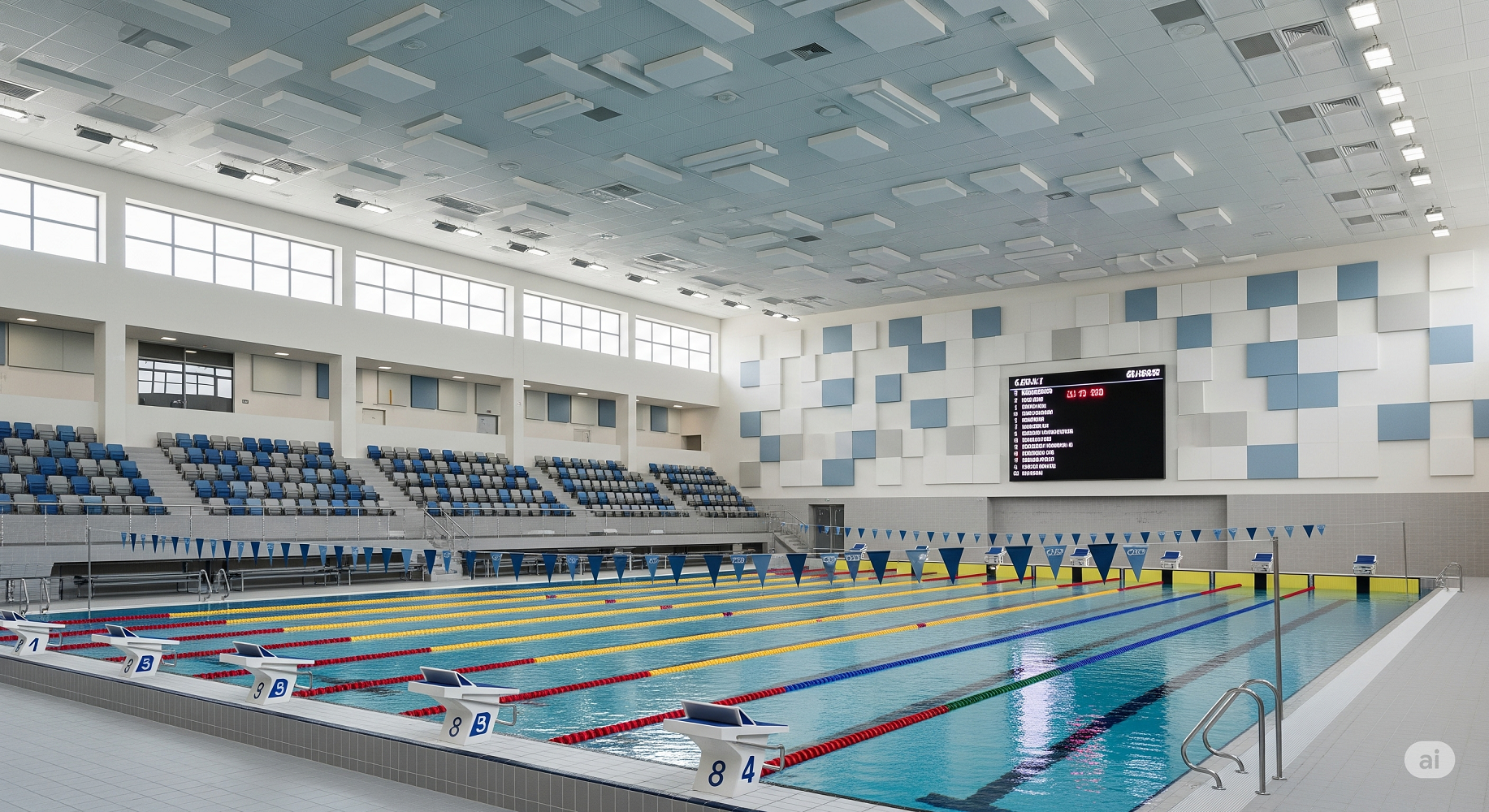



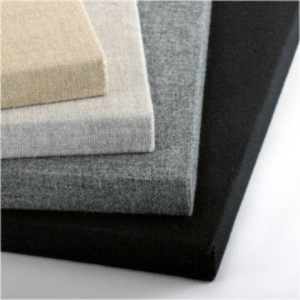



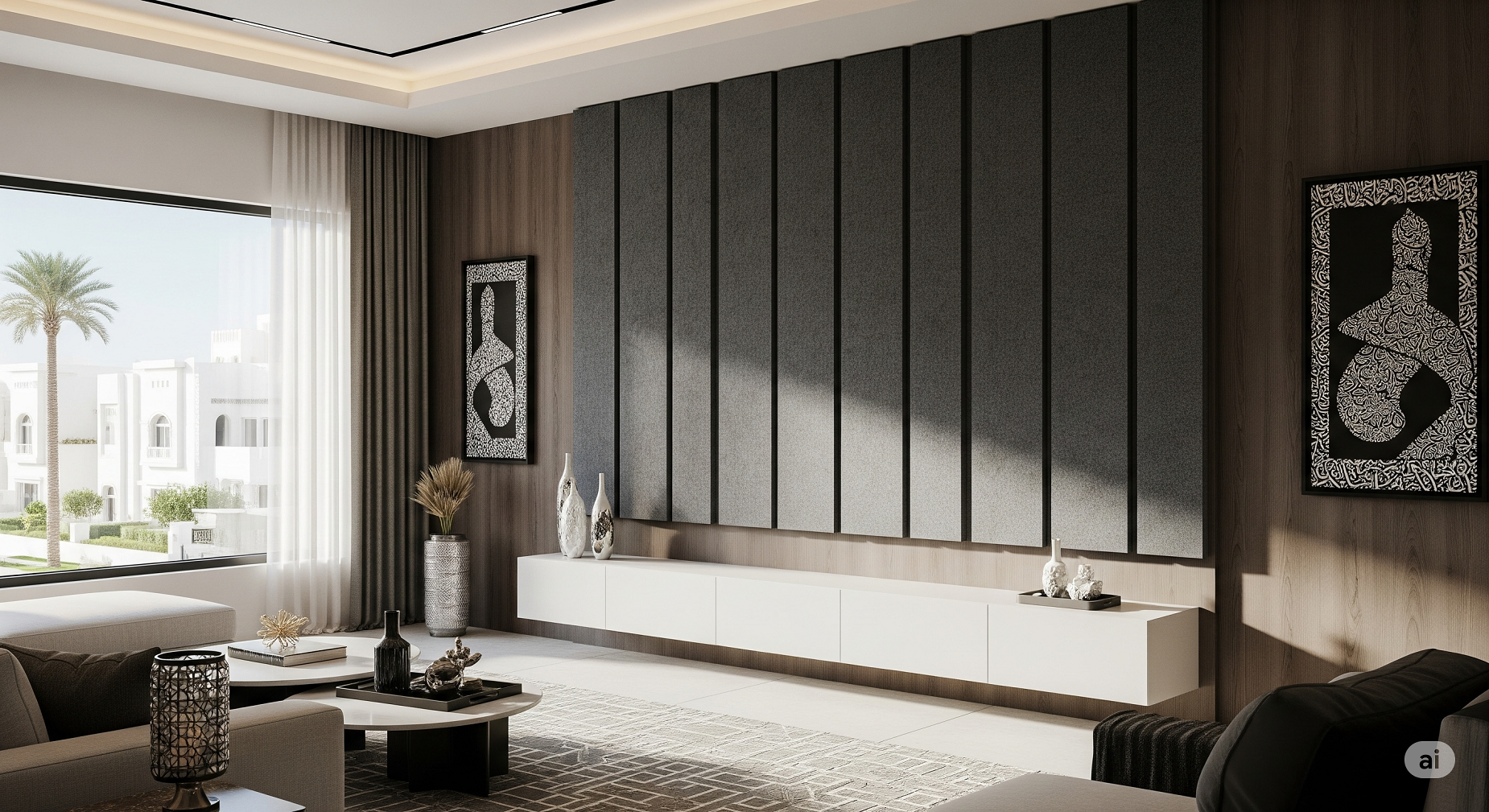


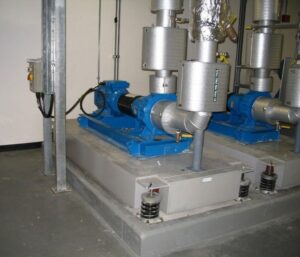



 from recycled polyethylene terephthalate (PET) plastic bottles, they divert significant waste from landfills. Beyond their eco-friendly origins, Acoustic Polyester Panels
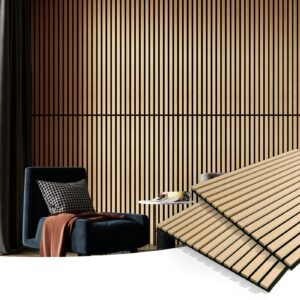
 natural aesthetics, excellent sound absorption, and good thermal insulation properties. They are durable, breathable, and often made from sustainably sourced timber.
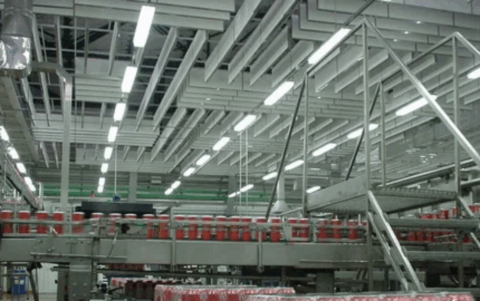
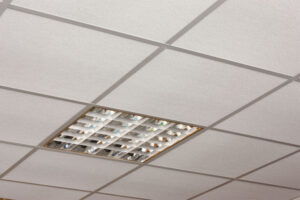 suspended grid systems, modern acoustic ceiling tiles are far more advanced than their predecessors. Available in a vast array of materials such as mineral fiber, fiberglass, and increasingly, sustainable options like recycled content, they come in diverse textures, patterns, and colors.
 targeted acoustic control.