The Best Ways to Use Soundproofing Foam Spray in Your Home

Soundproofing foam spray | Acoustic Solutions in Riyadh

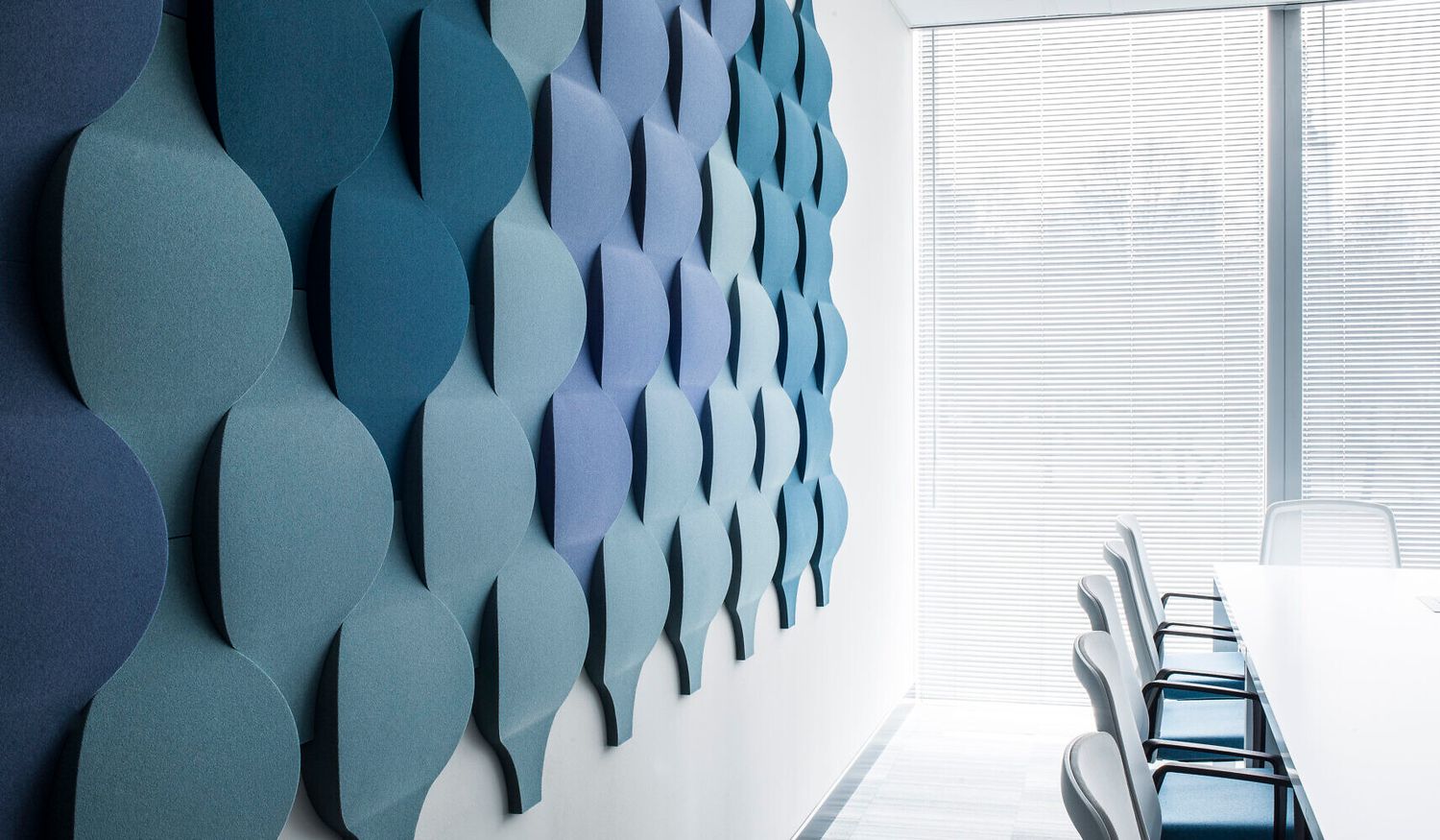
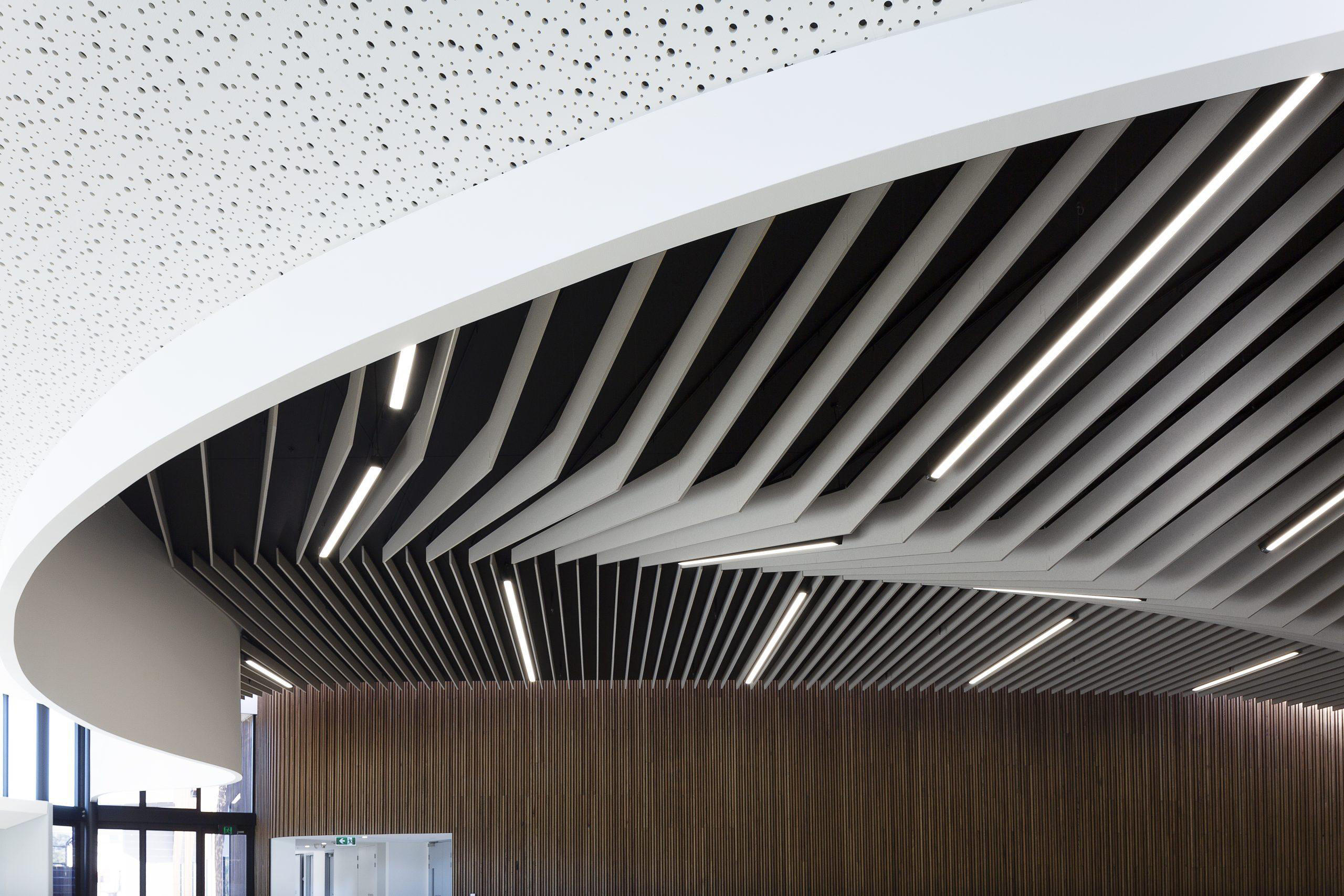
Noise can be a significant distraction in our daily lives, whether it’s from the hustle and bustle of the city, loud neighbors, or the sounds of an active household. Soundproofing is the solution if you’re looking for ways to create a quieter, more peaceful environment. Among the various methods available, soundproofing foamed spray has become a popular choice for homeowners looking to reduce unwanted noise. This article explores the best ways to use this innovative product in your home and how Akcoustic can help you achieve the perfect sound environment.

What is Soundproofing Spray?

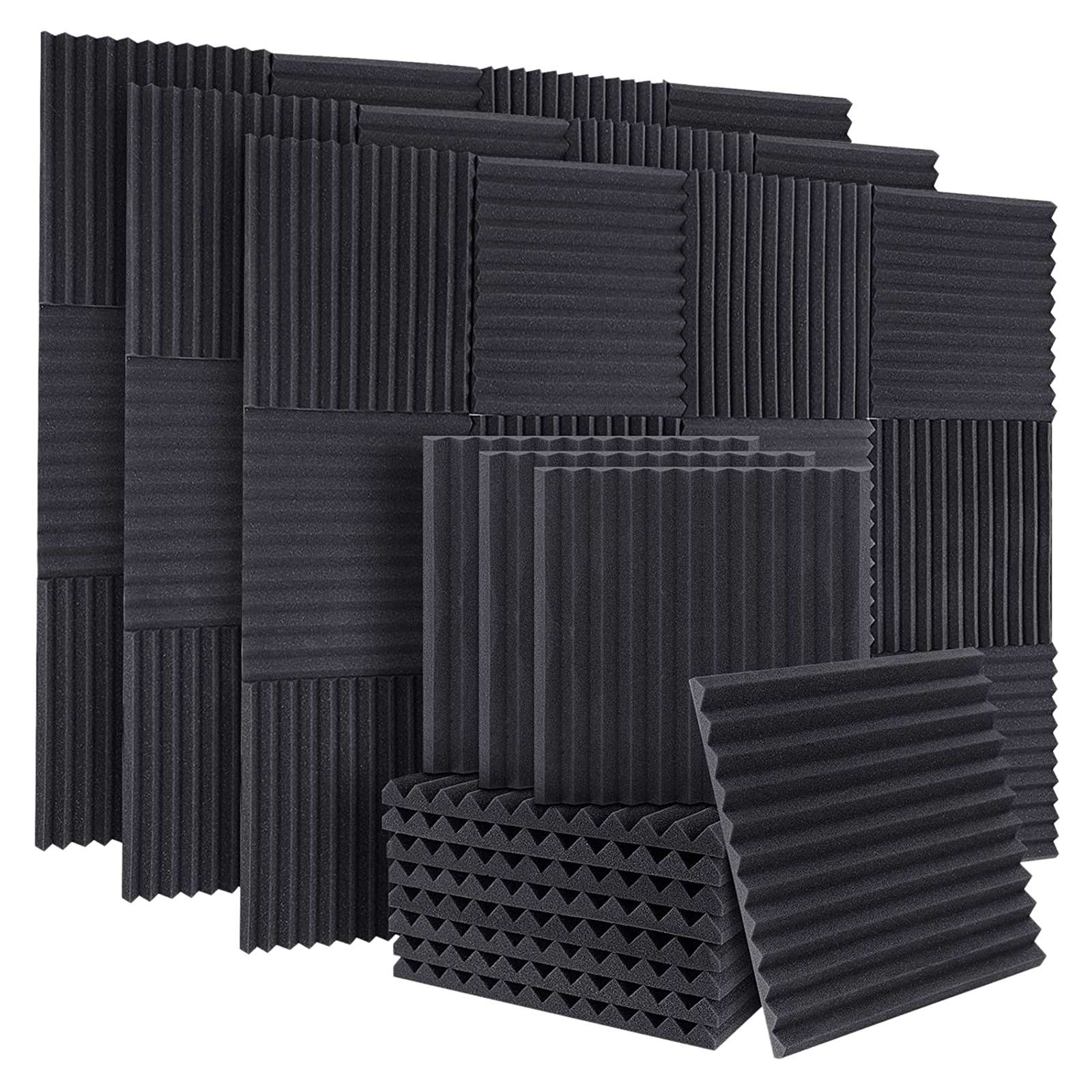
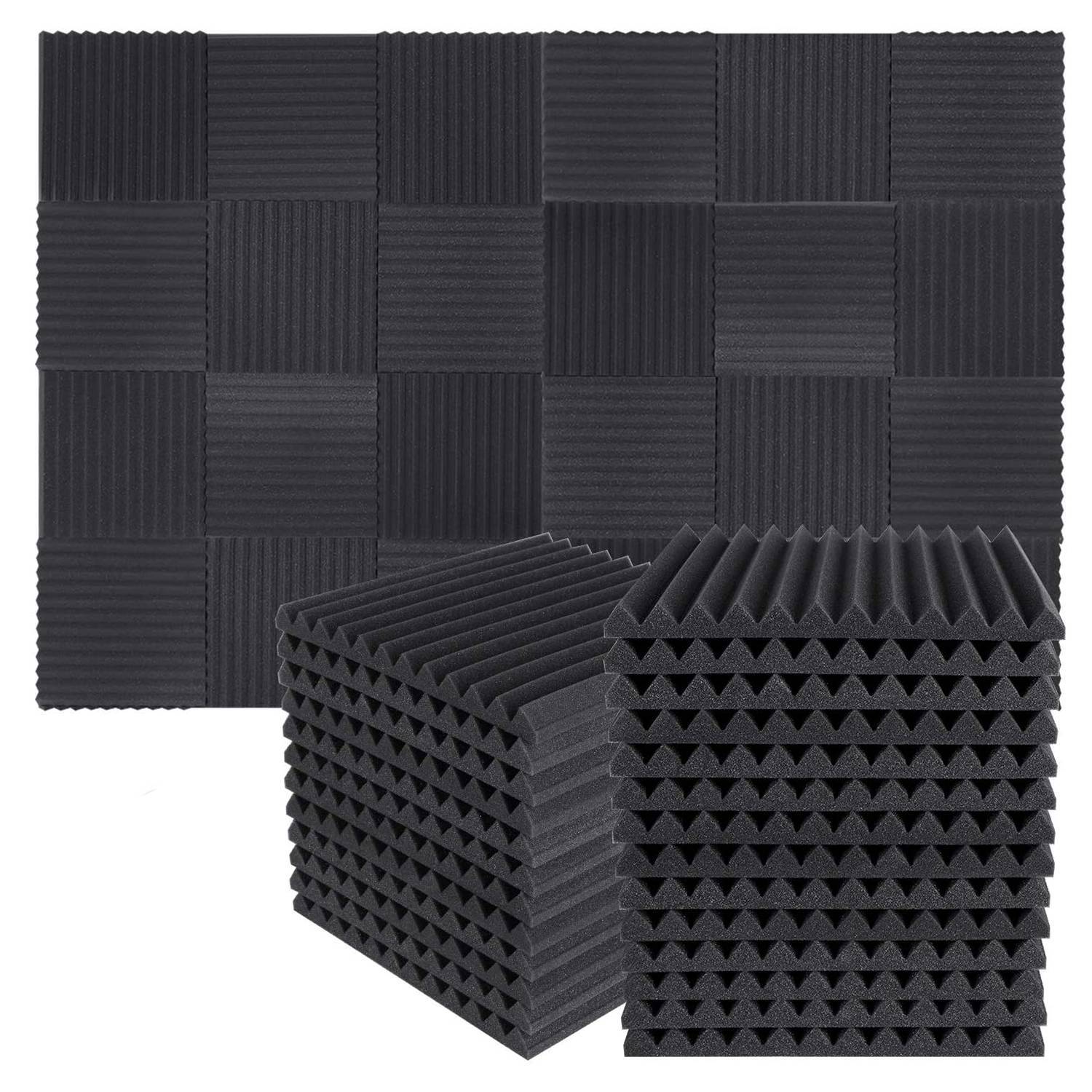
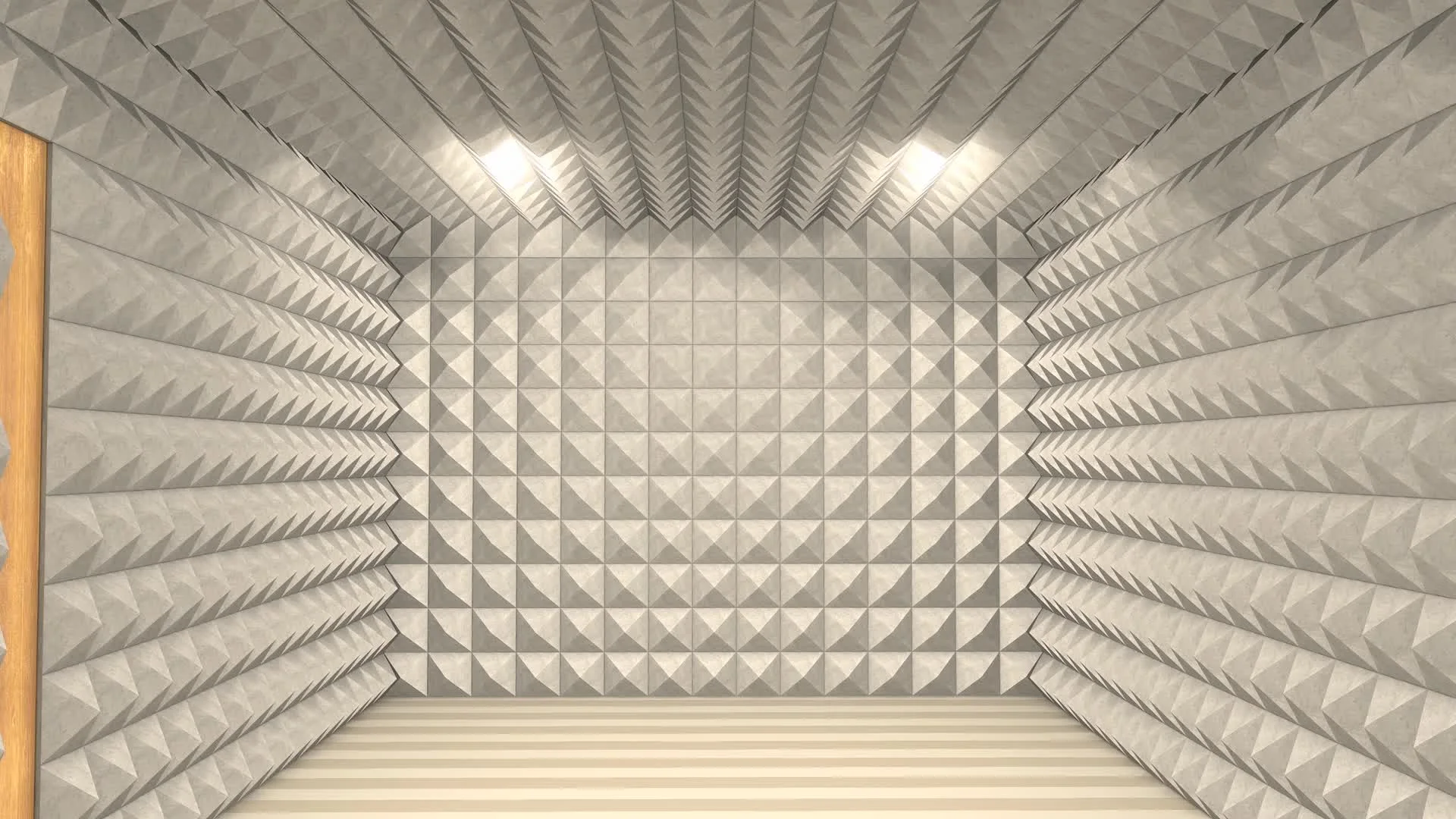
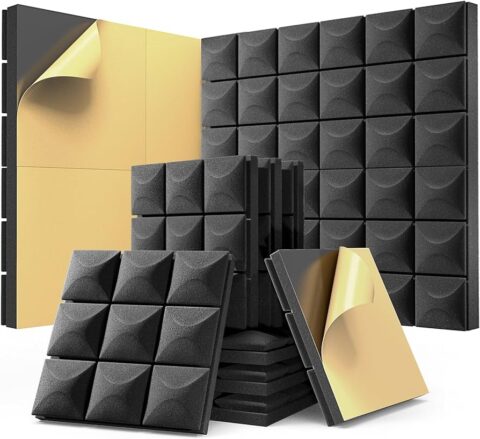
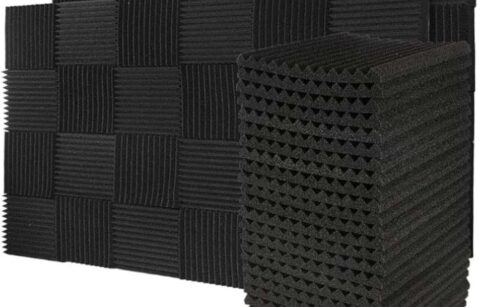
Soundproofing spray is a spray-on insulation material designed to absorb sound waves and reduce noise transmission between rooms or from the outside. It’s typically used to enhance the acoustics of various spaces, such as bedrooms, home offices, and entertainment rooms. The foam creates a barrier that absorbs sound rather than allowing it to bounce off hard surfaces, significantly reducing unwanted noise.

1. Home Theater Rooms

Home theatre rooms are one of the most common areas where the soundproofing spray is used. Whether you’re you’re watching movies or playing video games, creating an immersive experience requires a soundproof environment. By applying soundproofing foam spray to walls, ceilings, and corners, you can minimize noise from outside and prevent sound from escaping into other rooms. This will improve the acoustics and create a more enjoyable and undisturbed experience for you and your family.

The Best Ways to Use Soundproofing Foam Spray in Your Home

2. Home Offices for a Productive Workspace

If you work from home, you know how important having a quiet space for concentration and focus is. The sound of conversations, street noise, or even loud appliances can be incredibly distracting. Soundproofing spray can seal gaps around doors, windows, and walls, preventing noise from disrupting your workflow. Creating a quieter environment can boost productivity and improve your overall work experience.

3. Studios and Music Rooms

Controlling sound is crucial for musicians, podcasters, or anyone working in a creative audio-based field. Soundproofing spray is ideal for home recording studios, music rooms, or podcasting setups. It helps to create a more controlled environment by minimizing external noise while improving the room’s acoustics. This is particularly important for recording high-quality sound, as external noise can interfere with recordings, leading to poor audio quality.

4. Children’s Rooms and Play Areas

Children are naturally loud and energetic, and their play areas are often noisy. The sound can easily travel if you have a playroom or a children’s bedroom near a quiet space. Applying soundproofing foam sprays in these areas can significantly reduce the noise heard throughout your home. This is particularly useful for parents who want to create a peaceful environment while allowing their children to play freely without disturbing the rest of the household.

Conclusion

Reducing noise in your home doesn’t have to be complicated or expensive. Soundproofing foam sprays provide an effective and affordable way to create a quieter living space, whether for a home theatre, office, studio, or bedroom. At Akcoustic, we offer a range of custom-designed solutions that can be tailored to your specific needs. Our acoustic engineers and designers are ready to help you achieve the perfect sound environment in your home. Reach out to us today and discover how our products and expertise can transform your living space into a noise-free sanctuary.

How Acoustic Baffle Clouds Improve Focus and Productivity

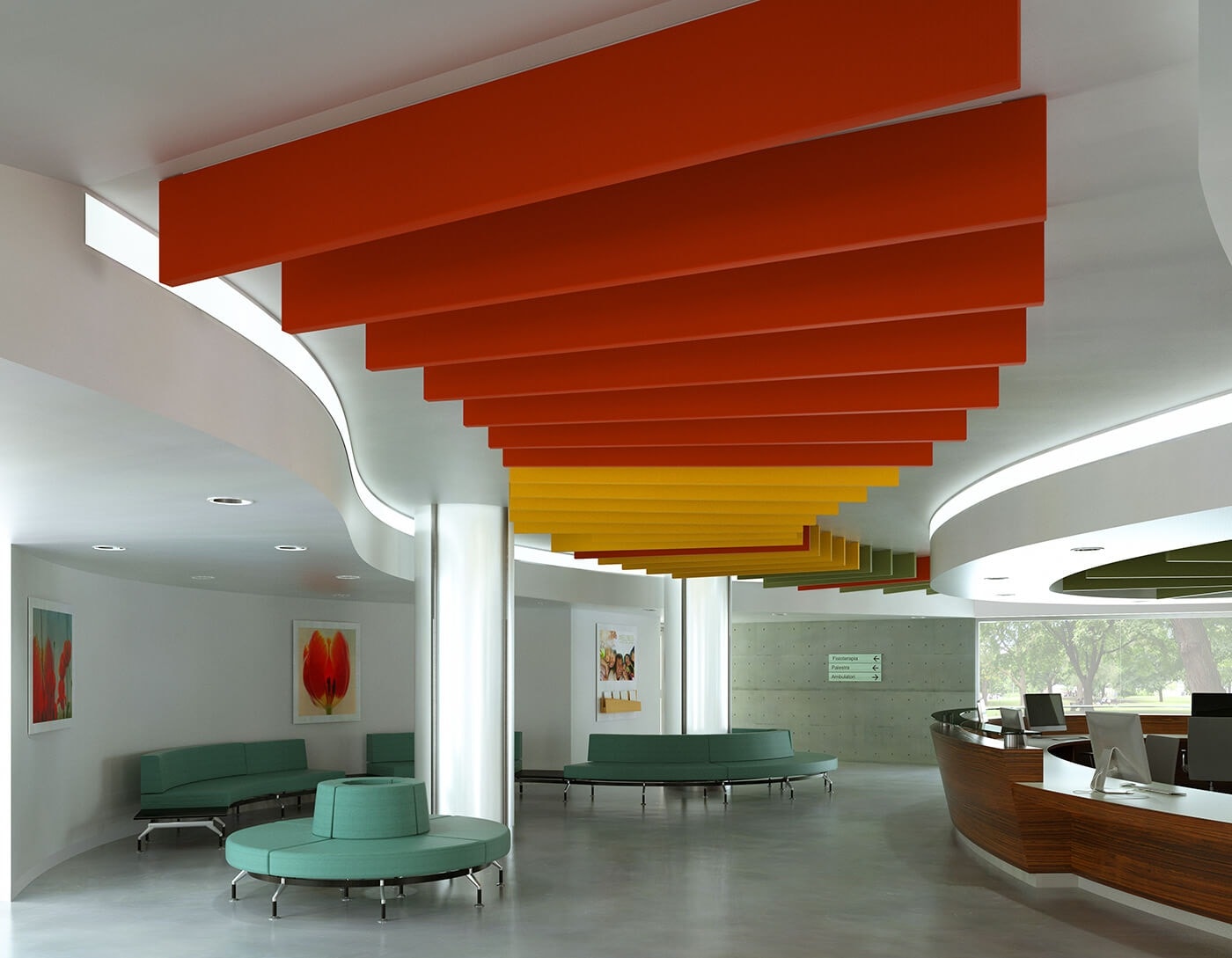
Acoustic Baffle Clouds-2

In today’s fast-paced world, noise distractions have become a significant obstacle to productivity, whether in a recording studio, office, restaurant, or school. The need for a quiet, focused environment has led many businesses and institutions to seek solutions to enhance sound quality and reduce unwanted noise. One of the most effective solutions for improving focus and productivity is using acoustic treatments, mainly Acoustic Baffle Clouds.

What is an Acoustic Baffle Cloud?

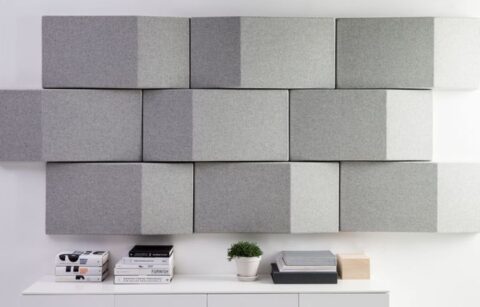
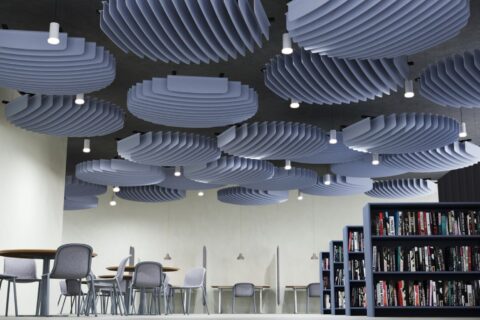
These suspended panels absorb sound and reduce reverberation in large, open spaces. Often hung from the ceiling, they help control the acoustics in areas that may suffer from echo or excessive noise. Disrupting sound waves and preventing them from bouncing off hard surfaces creates a much more balanced and quieter environment.

Made from sound-absorbing materials such as fibreglass, foam, or polyester, they trap sound waves and prevent them from creating disruptive noise. As a result, they help reduce distractions and improve overall sound quality within a room. Applying these baffles can make a significant difference in sound control, whether it’s a bustling office, a crowded classroom, or a high-traffic restaurant.

Picture background

The Impact of Baffle Clouds on Focus and Productivity

These treatments do more than reduce noise—they enhance focus. Noisy environments make it hard to concentrate, lowering efficiency. Constant background chatter, clattering keyboards, or machine hums can distract employees, students, or clients. Installing baffle clouds creates a calmer atmosphere, reducing distractions and mental fatigue, which improves concentration and productivity. Studies have shown that a quieter space leads to better cognitive performance. A more peaceful environment leads to improved cognitive performance and better task execution.

Benefits in Different Environments

  1. Offices: In a modern office setting, open-plan layouts are standard. While they encourage collaboration, they can also create noise pollution that disrupts employees’ work. Acoustic treatments absorb sound and reduce the noise from phone calls, meetings, and conversations, enabling employees to focus better on tasks and boosting productivity.
  2. Schools: In educational settings, noise can be a significant barrier to learning. In classrooms with high noise levels, students may struggle to hear the teacher or focus on their work. Installing baffles helps to create a more conducive learning environment by reducing echo and providing clarity, allowing students to concentrate better and retain information.
  3. Restaurants and Cafes: The ambience in a restaurant or café plays a significant role in customer satisfaction. Loud background noise, such as the clatter of plates or the hum of conversation, can create an unpleasant dining experience. Baffle clouds help absorb these noises, making the space more comfortable and helping customers enjoy their meals peacefully.
  4. Recording Studios: For sound engineers, achieving perfect acoustics is crucial. Excessive reverberation can interfere with recording quality, making achieving clear and precise sound difficult. Acoustic baffles help eliminate unwanted noise, ensuring optimal recording conditions.

Conclusion

In conclusion, baffle clouds are essential in creating noise-controlled environments that promote focus and productivity. Whether in an office, classroom, restaurant, or recording studio, the proper acoustic treatment can significantly improve the quality of the space. At Akcoustic, we specialize in designing and manufacturing custom acoustic solutions that meet the specific needs of our clients. Our expert engineers and designers are committed to providing high-quality products that enhance sound quality and reduce noise distractions. Contact us today to explore how our acoustic solutions can transform your space and boost productivity.

How Does Wood Type Affect Acoustic Sound Quality?

Solid Wood Panels

One often-overlooked element is the type of wood used in acoustic panels and furniture when it comes to acoustic treatment in various environments, from recording studios to classrooms and restaurants. The choice of wood can significantly influence sound quality and noise reduction. This article explores how different wood types affect acoustic performance and why it matters when designing effective acoustic solutions.

The Science of Sound and Wood

Sound is vibrations travelling through air or solid objects. These vibrations interact with materials, and how a material responds depends on its density, texture, and resonance. Wood, a natural material, has unique characteristics that enhance or dampen these vibrations. The interaction between sound waves and wood determines how well sound is absorbed, reflected, or diffused within a room.

Hardwoods vs. Softwoods: Key Differences

The type of wood significantly impacts sound quality:

Hardwoods (e.g., oak, walnut, maple) are denser, more rigid, reflecting sound. They are ideal for spaces requiring clarity, like recording studios, as they maintain brightness in sound.

Softwoods (e.g., pine, cedar, spruce) absorb sound better, reducing echoes making them suitable for classrooms, offices, and restaurants. Their lighter weight also facilitates large-scale installations.

How Does Wood Type Affect Acoustic Sound Quality?

Grain and Texture

The wood’s grain and texture also affect sound transmission: Even-grained woods like maple yield cleaner sound reflections, while varied-grain woods like oak scatter sound waves, promoting a diffused acoustic environment beneficial in concert halls.

The surface texture matters, too; rougher surfaces enhance sound diffusion, preventing harsh echoes, which is crucial in large spaces to maintain natural acoustics.

Acoustic Treatment with Wood:

Wooden acoustic panels are commonly used to enhance sound quality. These panels absorb sound, reduce reverberation, and improve acoustics. The effectiveness of acoustic panels depends on the wood type and their design and placement. For example, perforated wood panels are used in recording studios and offices, as their design helps to absorb mid and high-frequency sounds while reflecting lower frequencies.

The choice of wood can also impact the aesthetic appeal of acoustic treatments. Wood brings a natural, warm look to spaces, so it’s a preferred material in settings requiring acoustic and aesthetic improvements.

The Environmental Impact of Wood

Beyond sound quality, the environmental impact of the wood used in acoustic treatments is another consideration. Sustainable sourcing and eco-friendly practices are becoming more important in modern design. Companies like Akcoustic are committed to offering sustainable, high-quality solutions that improve sound quality while minimizing their environmental footprint.

Conclusion

In conclusion, the type of wood used in acoustic treatments significantly impacts sound quality and functionality. Understanding wood types is essential to design a studio, restaurant, or office. At Akcoustic, we specialize in custom wooden acoustic solutions tailored to your needs. Our team of experts will help you create the perfect acoustic environment with superior sound quality and sustainable materials.

Please choose the right wood for your acoustic panels and make your space sound as good as it looks. Contact Akcoustic today to discover how our solutions can enhance your environment.

Why Choose Acoustic Floating Floors Over Traditional Flooring?

Floating Floors

Choosing the right flooring can significantly impact a space’s acoustics and overall comfort. While traditional flooring options have merits, acoustic floating floors offer unique advantages that make them ideal for various environments, mainly where sound quality is paramount. Here’s why you should consider floating floors over traditional flooring solutions.

Superior Sound Isolation

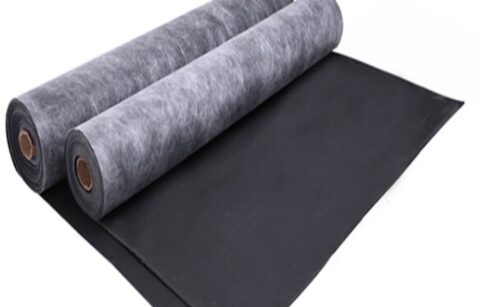
One of the primary benefits of an acoustic floating floor is its ability to isolate sound effectively. Unlike traditional flooring, which can transmit noise from foot traffic and other disturbances, floating floors are designed to minimize sound transmission. This is achieved through a suspended structure that creates an air gap between the floor and the subfloor, effectively dampening vibrations and airborne sounds. This feature is particularly beneficial in settings like recording studios, offices, and schools, where noise control is essential for productivity and focus.

Enhanced Comfort

Acoustic floating floors not only reduce noise but also improve comfort underfoot. The design typically incorporates resilient materials with a softer surface than traditional hardwood floors. This added comfort is especially advantageous in high-traffic areas such as dance studios or gyms, where users spend extended periods on their feet. The cushioning effect of the floating floor can reduce fatigue and enhance the overall user experience.

Versatility in Design

Another significant advantage of these types of flooring is their versatility. They can be installed over existing flooring materials without requiring extensive renovations or removal of old floors. This adaptability makes them suitable for various applications, from residential homes to commercial spaces like restaurants and theatres. Furthermore, they can accommodate different surface finishes, including carpet, hardwood, or tile, allowing for creative design options that align with the aesthetic goals of any project.

Why Choose Acoustic Floating Floors Over Traditional Flooring?

Cost-Effective Solution

While the initial investment may be higher than traditional flooring options, they often prove more cost-effective in the long run. Their ability to reduce noise pollution can lower energy costs by improving thermal insulation within a space. Additionally, since they can be installed over existing flooring without significant renovations, you save on labour costs for removing old floors.

Compliance with Regulations

Building codes often require specific sound insulation standards, especially in multi-use buildings or facilities like schools and hospitals. Acoustic floating floors are designed to meet these stringent regulations, ensuring that your space complies with local laws regarding sound control. This compliance not only enhances the functionality of your space but also protects your investment by avoiding potential fines or required renovations down the line.

Conclusion

In summary, acoustic floating floors present a compelling alternative to traditional flooring solutions. They provide superior sound isolation, enhanced comfort, design versatility, cost-effectiveness, and compliance with building regulations. Suppose you want to improve your environment’s acoustic quality while enjoying a comfortable underfoot experience. In that case, Akcoustic offers a range of products and services tailored to your needs. With our team of expert acoustic engineers and designers ready to assist you, choosing an acoustic floating floor could be one of the best decisions for your space. Reach out today to explore how we can help transform your environment into a quieter and more enjoyable place!