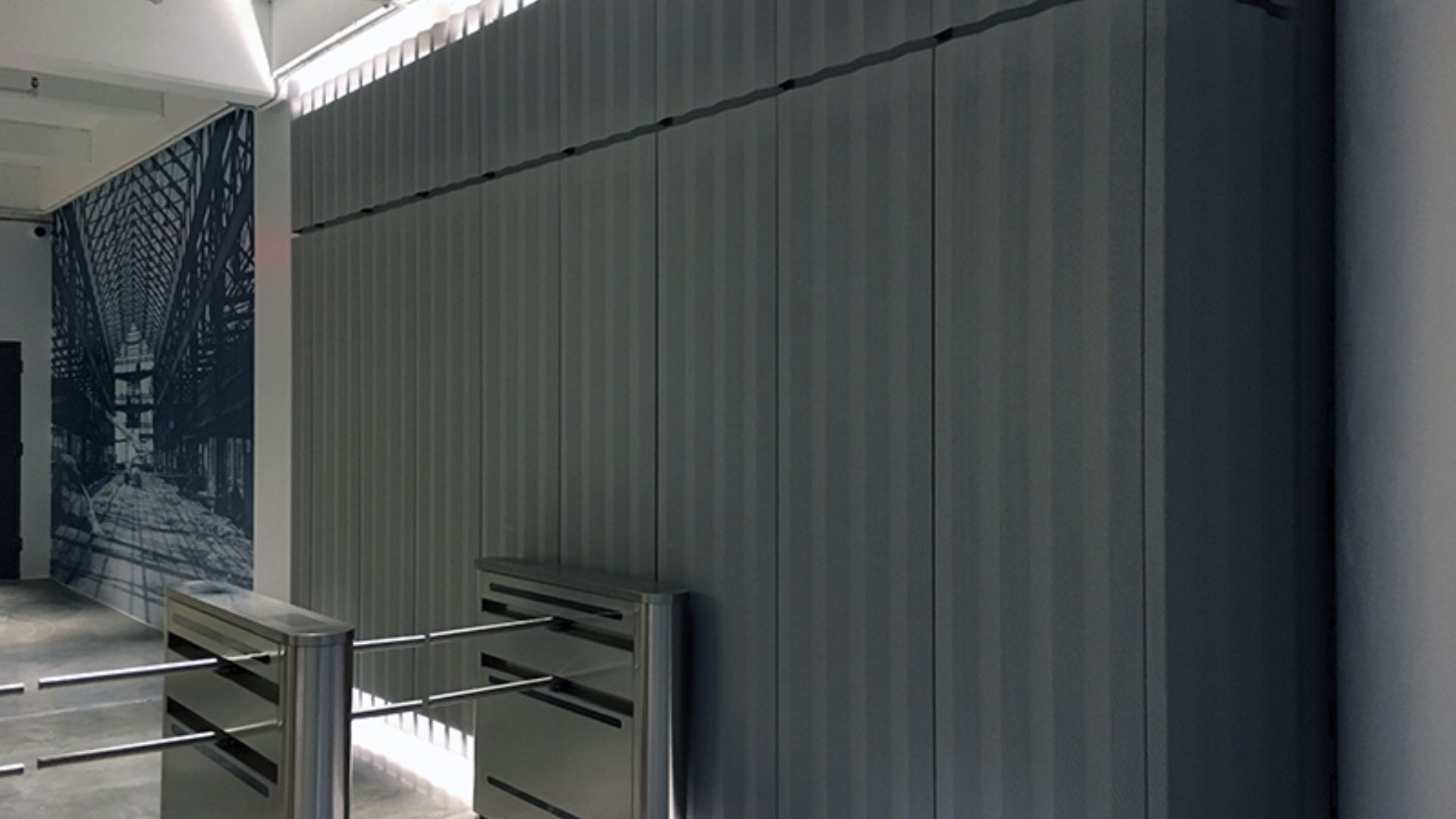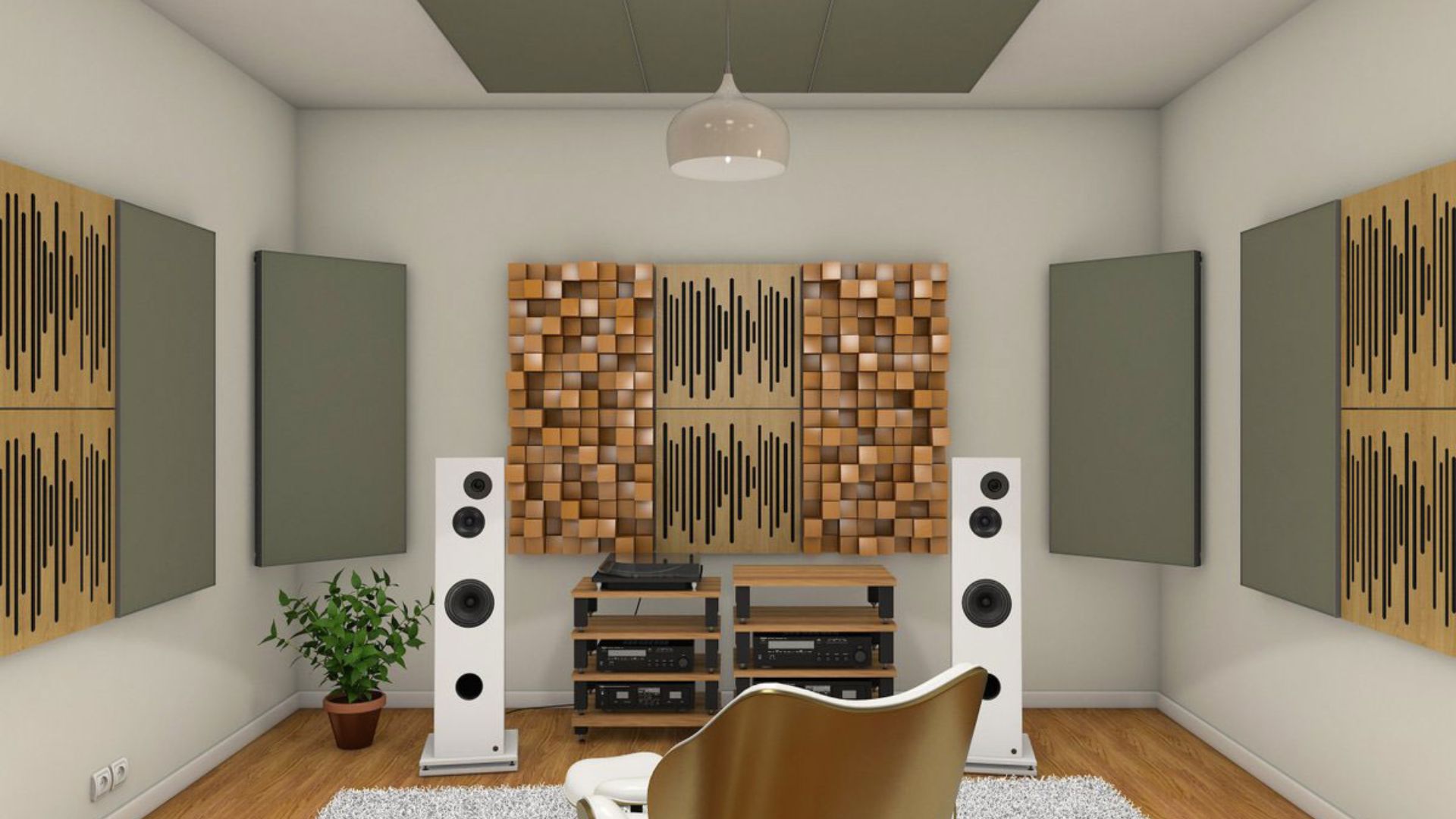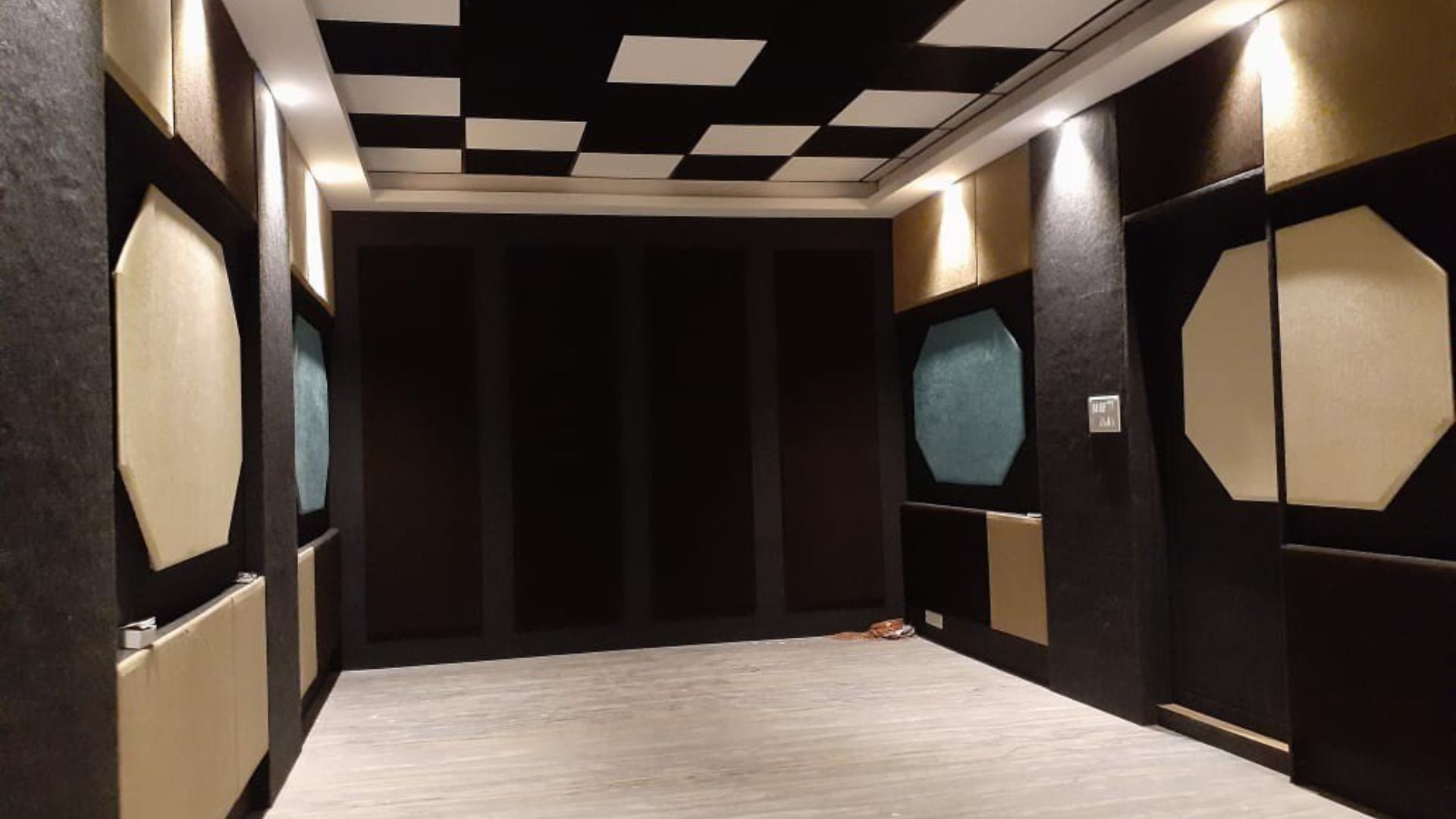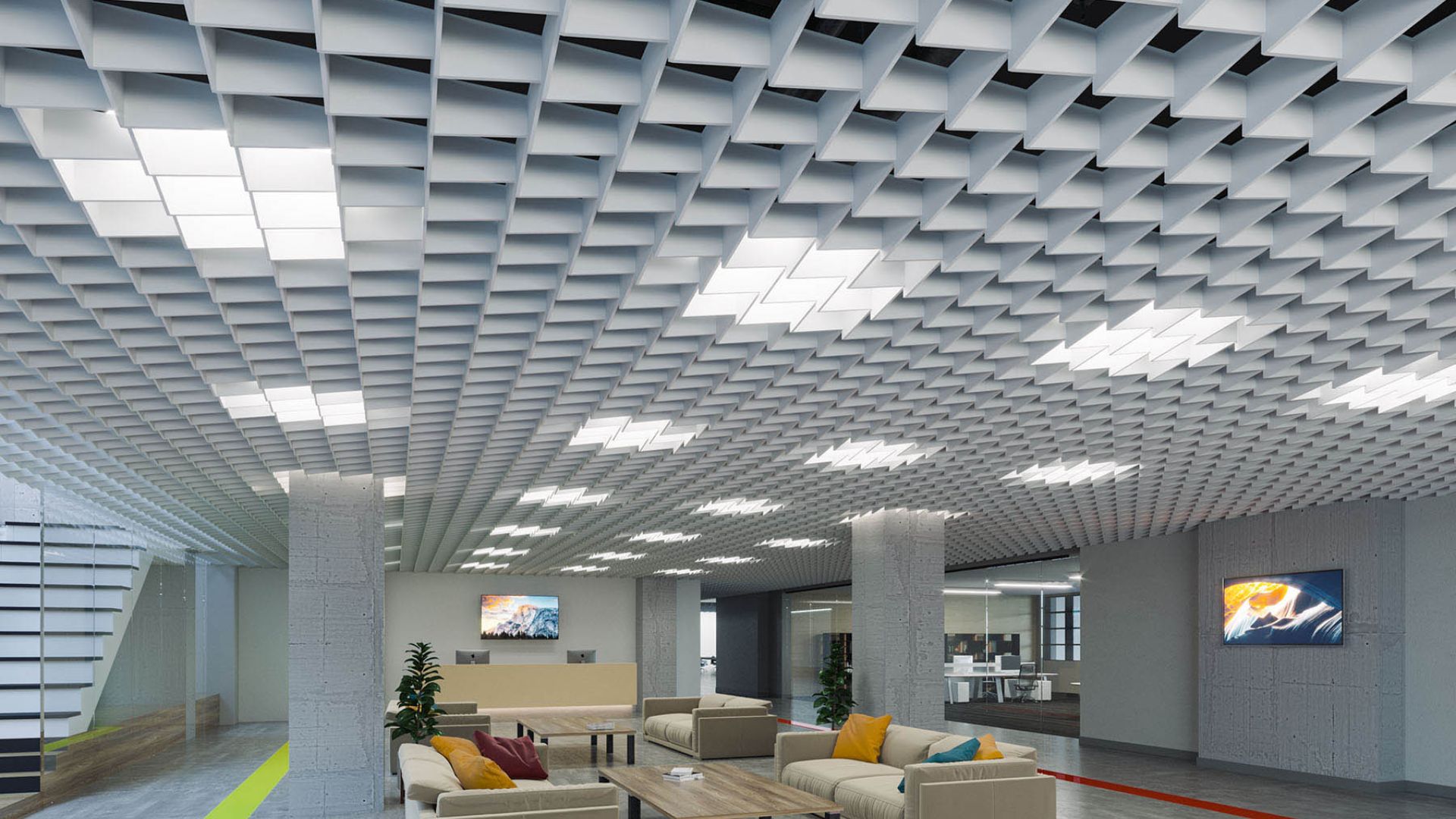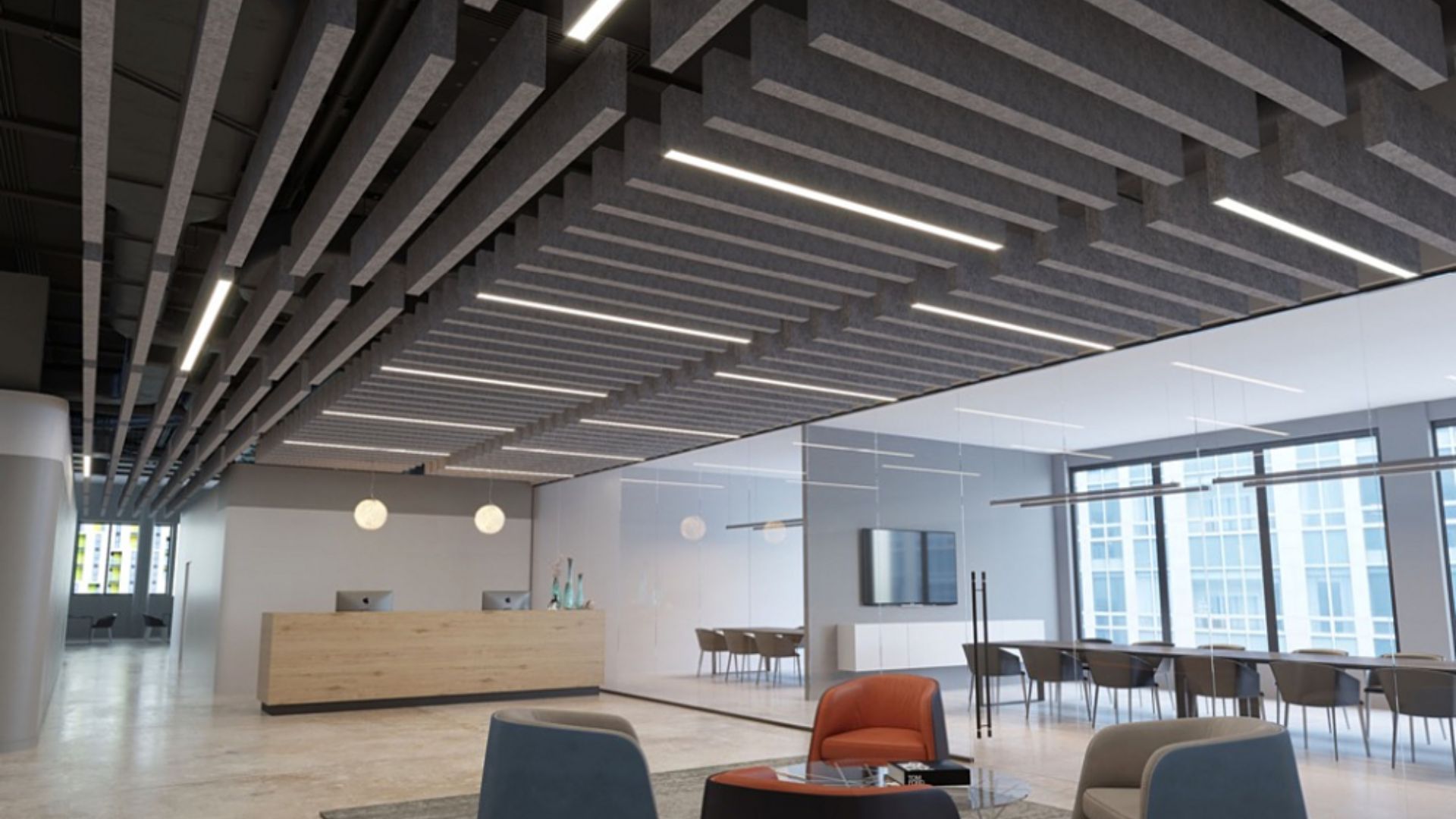
How Do Wooden Acoustic Panels Improve Sound Quality?

How Do Wooden Acoustic Panels Improve Sound Quality

In modern architecture and interior design, creating spaces with excellent sound quality has become increasingly important. One of the most effective and aesthetically pleasing solutions is the use of wooden acoustical panels. These panels are intended to not only improve the visual appeal of a place, but also dramatically improve its acoustic performance. But how exactly do wooden acoustical panels improve sound quality? This blog delves into the science behind these panels and their numerous benefits.


Introduction


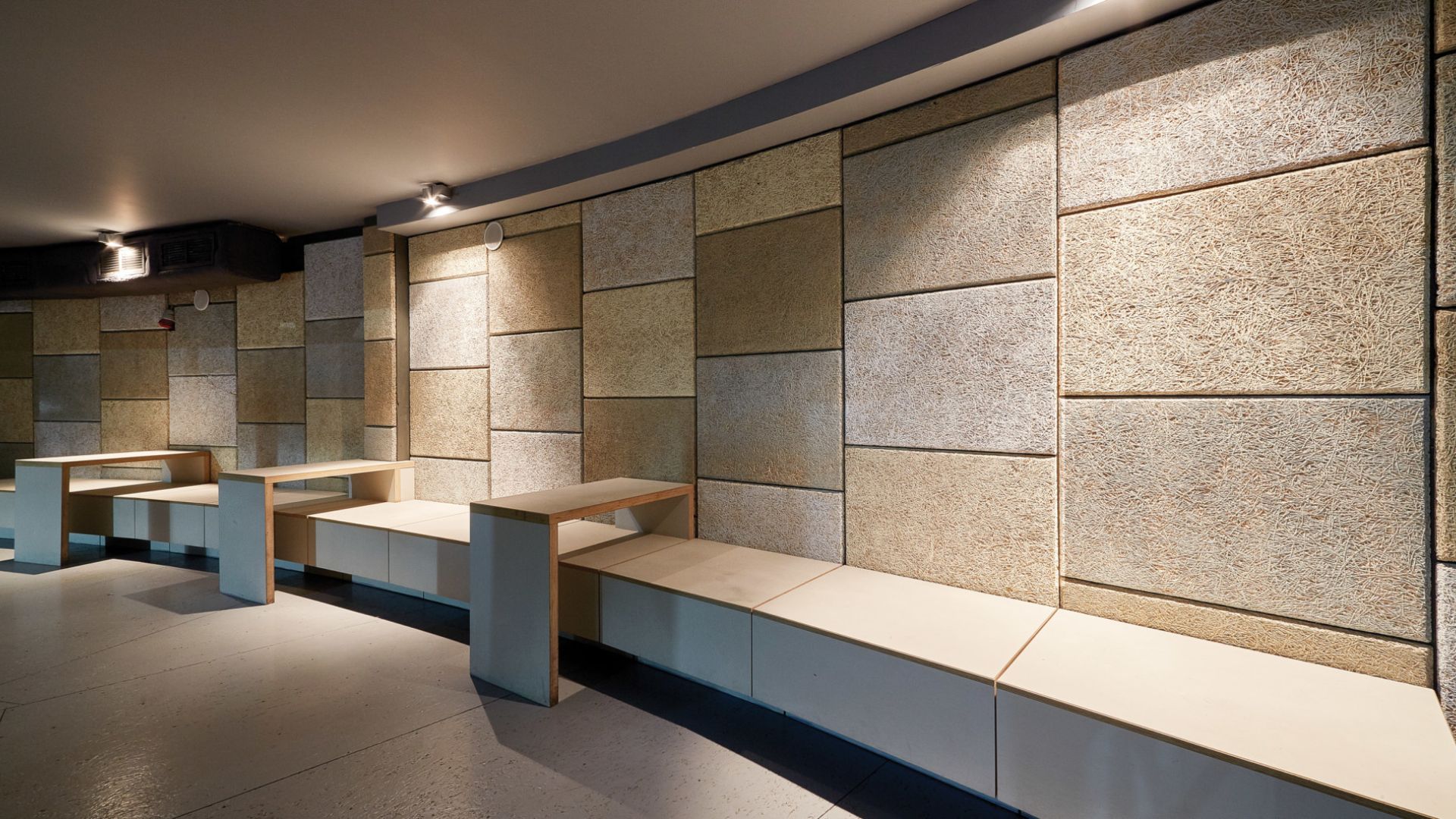
Wooden Acoustic Panels are engineered wood products that are used to control sound in various environments. They are crafted from different types of wood, such as oak, pine, or walnut, and are designed to absorb and diffuse sound waves, thus reducing noise pollution and enhancing the clarity of sound within a room. These panels can be found in various settings, including recording studios, concert halls, offices, restaurants, and even residential spaces. Their popularity is not only due to their functionality but also their ability to blend seamlessly with diverse interior styles.


The Science Behind Sound Absorption


Sound waves travel through the air and, when they encounter a hard surface, they are reflected back into the room, causing echoes and reverberations. Wooden acoustical panels work by absorbing these sound waves, thereby reducing their reflection and minimizing unwanted noise. The structure of these panels typically includes a perforated or slatted surface backed by an acoustic material like foam or mineral wool. When sound waves hit the panel, they pass through the perforations or slats and are absorbed by the material behind, converting the sound energy into a small amount of heat. This process effectively diminishes the intensity of the sound waves, leading to a quieter and more acoustically balanced environment.
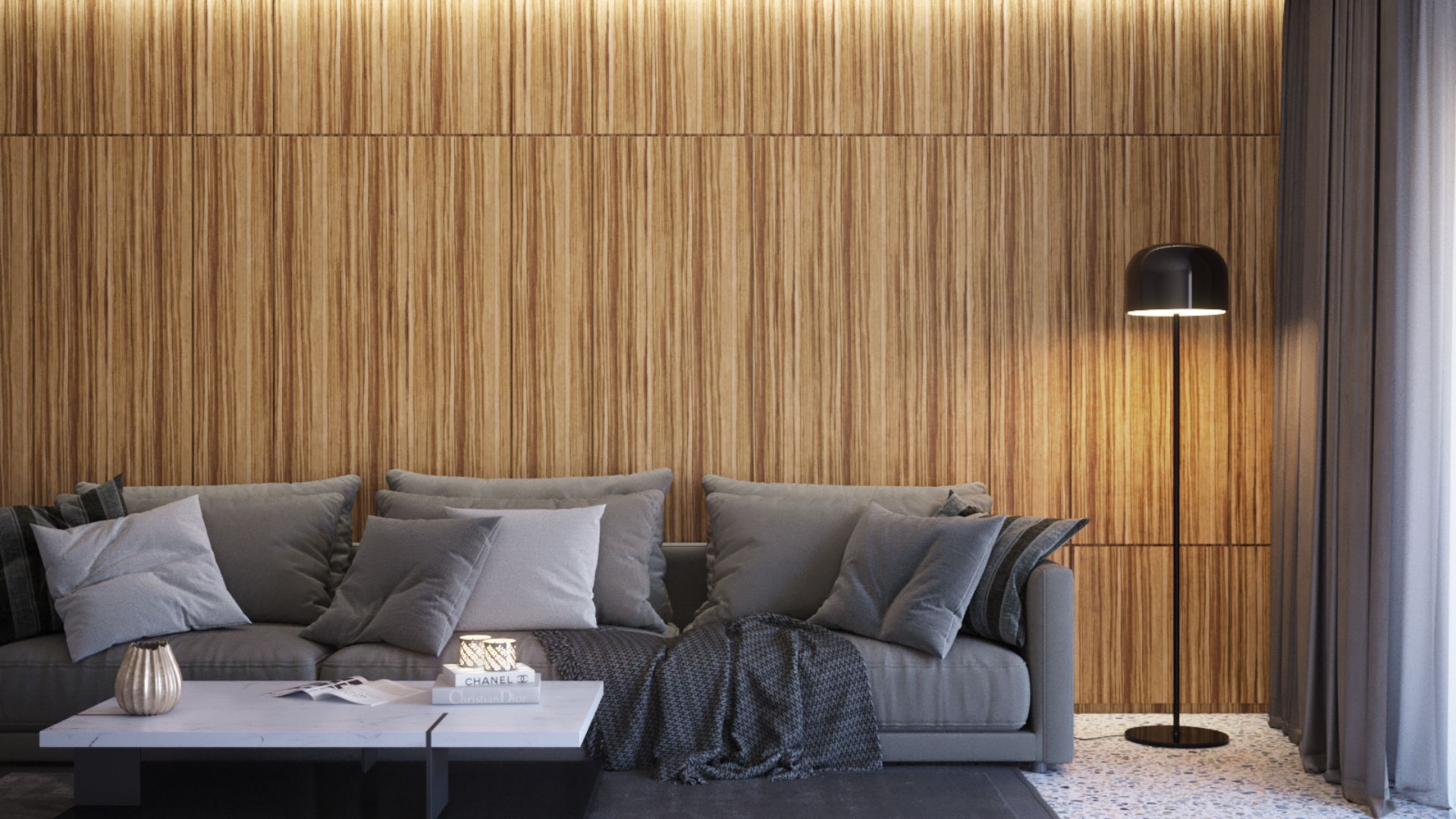
 

How Do Wooden Acoustic Panels Improve Sound Quality

Types of Wooden acoustical panels


Perforated Panels: These panels have small holes or perforations that allow sound waves to pass through and be absorbed by the backing material. They are particularly effective in reducing mid to high-frequency sounds and are often used in large spaces like auditoriums and theaters.


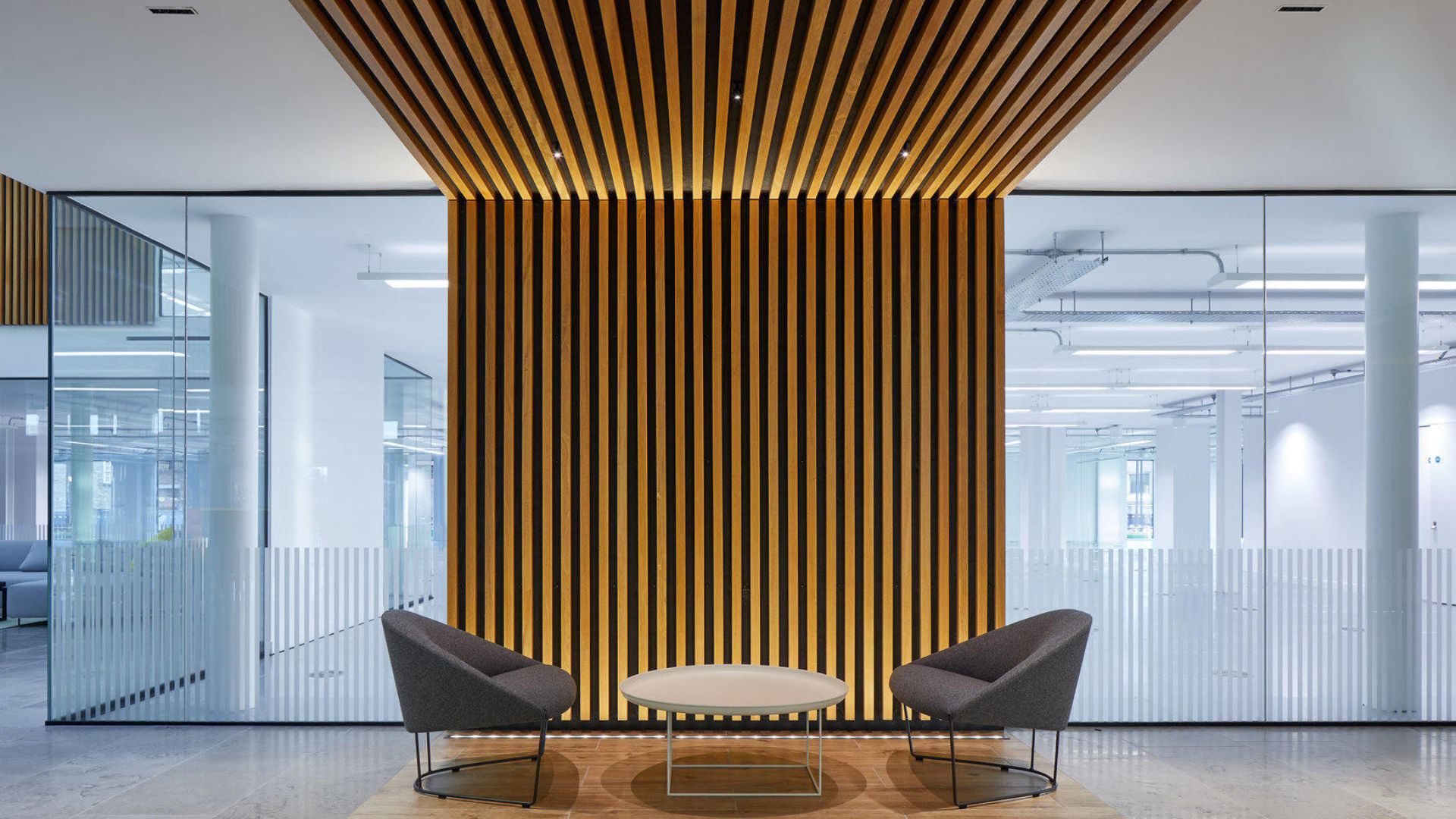
Slatted Panels: Slatted wooden panels feature narrow, evenly spaced slots that help in diffusing sound waves. They are excellent for managing both low and high-frequency sounds, making them versatile for various applications. Their design also adds a distinctive aesthetic appeal to any space.


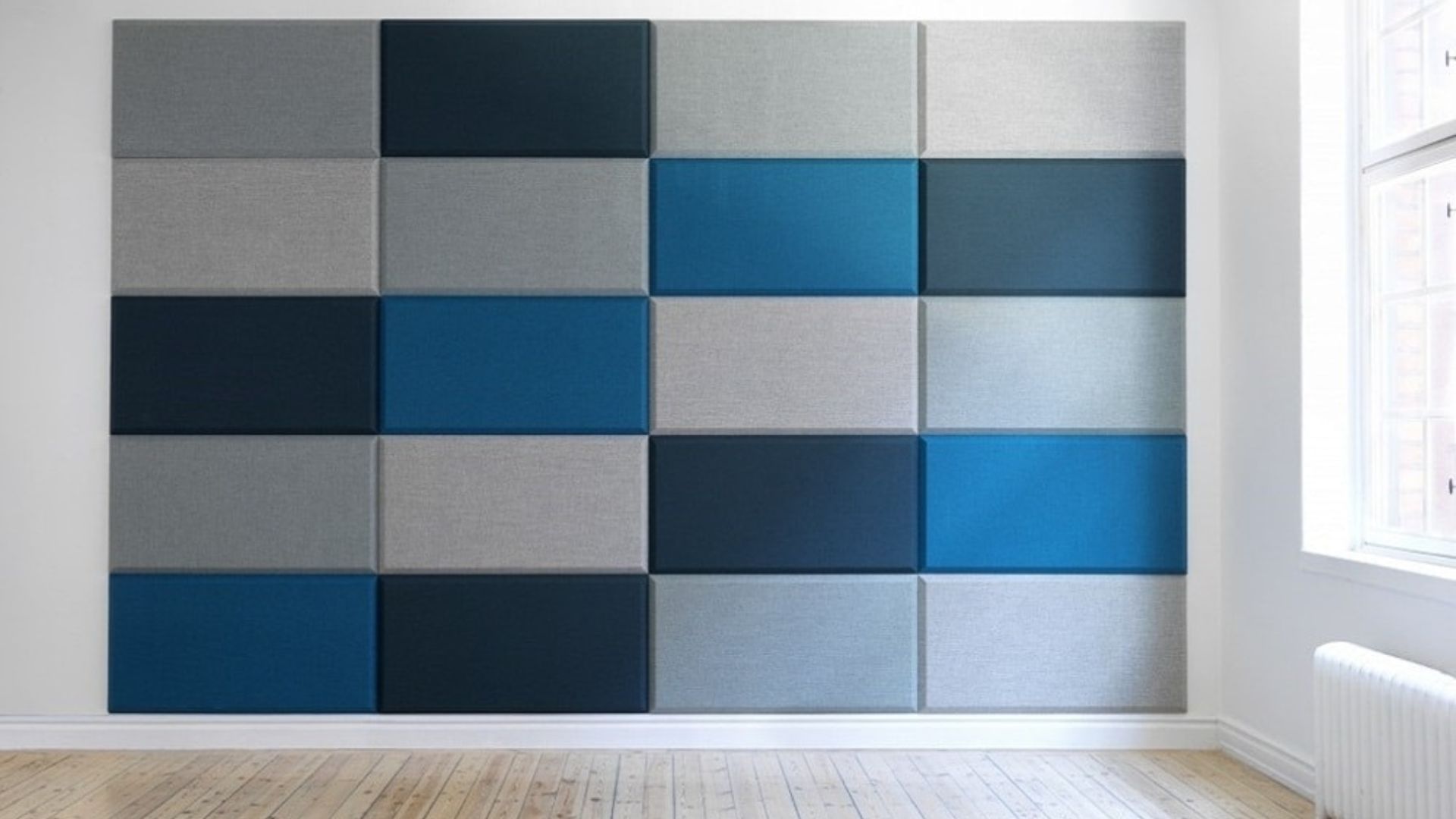
Fabric-Wrapped Panels: While not entirely made of wood, these panels combine wooden frames with fabric-covered surfaces. They offer superior sound absorption and are commonly used in environments where high sound quality is critical, such as recording studios and home theaters.


Benefits of Using Wooden acoustical panels


Improved Sound Quality: The primary benefit of wooden acoustical panels is their ability to enhance sound quality by reducing echo and reverberation. This results in clearer speech and music, making it easier to understand conversations and enjoy performances.


Aesthetic Appeal: Wooden panels add a touch of elegance and warmth to any space. They come in various finishes and styles, allowing for customization to match the existing décor. The natural beauty of wood complements both modern and traditional interiors.


Versatility: Wooden acoustical panels are suitable for a wide range of environments. Whether it’s a noisy office, a bustling restaurant, or a quiet home library, these panels can be tailored to meet specific acoustic needs.


Durability: Wood is a tough material that can withstand wear and strain over time. Properly maintained wooden panels can last for many years, providing a long-term solution for acoustic management.


Eco-Friendly: Many wooden acoustical panels are made from sustainably sourced wood and eco-friendly materials. This makes them a responsible choice for people who want to limit their environmental impact.
 

How Do Wooden Acoustic Panels Improve Sound Quality


Conclusion


Wooden acoustical panels are a highly effective solution for improving sound quality in various settings. By absorbing and diffusing sound waves, they reduce noise pollution and enhance the acoustic experience. Aside from their functional benefits, these panels have aesthetic appeal and may be tailored to fit any home design. Whether for professional use in studios and theaters or personal use in homes and offices, wooden acoustical panels offer a blend of performance, beauty, and sustainability that is hard to match. Investing in these panels is a step towards creating a more harmonious and enjoyable auditory environment.
What Are the Top Benefits of Using Wall Soundproofing Panels?

What Are the Signs That Your Space Needs Better Soundproofing?

In today’s fast-paced world, finding quiet and peace at home or in the office can be a challenge. Whether it’s the noise of traffic, neighbors, or office chatter, unwanted sounds can be a significant source of stress and distraction. Fortunately, Wall Soundproofing Panels offer an effective solution. These panels are designed to absorb, block, or reduce noise, creating a more tranquil environment. In this blog, we’ll explore the top benefits of using wall soundproof panels, from enhancing privacy to improving health and well-being.


What Are the Top Benefits of Using Wall Soundproofing Panels


Introduction

Wall soundproof panels are specialized materials that can be installed on walls to reduce the transmission of sound. They are widely used in various settings, including homes, offices, recording studios, and public buildings. These panels come in a variety of materials, such as foam, fiberglass, and mineral wool, and they work by either absorbing sound waves or blocking them from passing through walls.


Enhanced Privacy

One of the most significant benefits of wall soundproof panels is the enhancement of privacy. In homes, soundproofing panels can prevent conversations and other noises from being overheard between rooms. This is particularly useful in apartments and townhouses where shared walls can make it difficult to maintain privacy. In office environments, soundproofing panels can be used to create private meeting rooms and workspaces, ensuring that confidential discussions remain confidential.


Improved Concentration and Productivity

Noise is a major distraction that can significantly impact concentration and productivity. In workplaces, open-plan offices, and shared living spaces, constant background noise can make it challenging to focus on tasks. Wall soundproof panels help create a quieter environment, allowing individuals to concentrate better and be more productive. This is especially important in settings like libraries, schools, and corporate offices where focus and efficiency are crucial.


Better Sleep Quality

For many people, noise is a primary factor that disrupts sleep. Whether it’s traffic noise, loud neighbors, or household sounds, unwanted noise can make it difficult to fall asleep and stay asleep. Installing wall soundproof panels in bedrooms can create a more peaceful environment, promoting better sleep quality. This can lead to better overall health because quality sleep is necessary for both physical and mental well-being.


Enhanced Home Entertainment Experience

For those who enjoy watching movies, playing video games, or listening to music at home, wall soundproof panels can significantly enhance the entertainment experience. By reducing external noise and improving acoustics, these panels create an immersive environment where sound quality is maximized. This is particularly beneficial in home theaters and media rooms, where high-quality sound is essential for an enjoyable experience.


Increased Property Value

Investing in wall soundproof panels can also increase the value of your property. Many potential buyers and renters consider a quiet environment a significant selling point. Homes and offices with soundproofing features are frequently considered as more desirable, resulting in increased property values. This makes soundproofing panels not only a practical investment but also a financially savvy one.


Health and Well-being Benefits

Excessive noise can have a variety of harmful consequences for health and well-being. Prolonged exposure to noise pollution is linked to stress, anxiety, high blood pressure, and even cardiovascular issues. By installing wall soundproof panels, you can reduce your exposure to harmful noise levels, promoting better mental and physical health. A quieter environment can help reduce stress levels and create a more calming and peaceful atmosphere.


Easy Installation and Versatility

Wall soundproof panels are relatively easy to install and can be used in various settings. Whether you’re looking to soundproof a single room or an entire building, there are panels available to suit your needs. They come in different sizes, colors, and designs, allowing you to choose options that match your aesthetic preferences. Their adaptability makes them a popular choice for both residential and business uses.


What Are the Top Benefits of Using Wall Soundproofing Panels


Conclusion

Wall soundproof panels offer numerous benefits, from enhancing privacy and improving concentration to promoting better sleep and increasing property value. They are an effective solution for reducing unwanted noise and creating a more peaceful and productive environment. Whether you’re looking to improve your home, office, or any other space, investing in wall soundproof panels can significantly enhance your quality of life.

What Are the Key Benefits of Using Acoustic Building Materials in Schools?

What Are the Key Benefits of Using Acoustic Building Materials in Schools

Introduction

In modern educational environments, creating a conductive atmosphere for learning is paramount. Acoustics are an often ignored feature of this environment is. Acoustic Building Materials play a vital role in enhancing the educational experience by reducing noise pollution and improving sound quality within classrooms. This blog will explore the key benefits of using acoustical building materials in schools, highlighting how they contribute to better learning outcomes, health, and overall well-being of both students and teachers.


What Are the Key Benefits of Using Acoustic Building Materials in Schools

Enhanced Learning Environment

One of the primary benefits of using acoustical building materials in schools is the enhancement of the learning environment. Classrooms can be noisy places, with sounds coming from various sources such as students, teachers, and external environments. Acoustic materials, such as sound absorbing panels, ceiling tiles, and carpets, help in minimizing these unwanted noises. This reduction in noise levels ensures that students can hear their teachers more clearly and focus better on their studies. Research has shown that students in acoustically treated classrooms perform better academically, as they are less distracted and more engaged in their lessons.


Improved Speech Intelligibility

Clear communication is crucial in an educational setting. Acoustical building materials significantly improve speech intelligibility, making it easier for students to understand their teachers and peers. When the reverberation time is reduced, sounds become clearer, and the speech is more distinguishable. This is particularly beneficial for younger children who are still developing their language skills and for students with hearing impairments. By enhancing speech clarity, acoustic materials contribute to more effective teaching and learning.


Reduced Stress and Fatigue

Noise pollution in schools can lead to increased stress and fatigue among both students and teachers. Continuous exposure to high noise levels can be mentally exhausting and can negatively impact concentration and overall well-being. Acoustical building materials help in creating a quieter and more peaceful environment, reducing the stress levels and cognitive load on students and teachers. This can lead to a more positive and productive school atmosphere, where both teaching and learning can thrive.


Better Behavioral Outcomes

Acoustics can also influence student behavior. Studies have indicated that poor acoustic conditions in classrooms can lead to increased disruptive behavior and lower levels of student engagement. On the other hand, classrooms with good acoustic treatments tend to have calmer and more focused students. By minimizing background noise and reverberation, acoustic materials help in creating an environment that encourages positive behavior and enhances student participation.


Health Benefits

Long-term exposure to loud noise might have negative health consequences. For students, this can mean increased heart rates, elevated stress levels, and even potential hearing damage. Teachers, who spend a significant amount of time speaking in these environments, May also, suffer from vocal strain and fatigue. Acoustical building materials mitigate these risks by reducing noise pollution, thereby promoting better physical health for everyone in the school environment. A healthier school environment leads to fewer absences and a more consistent educational experience for students.


Versatility and Aesthetic Appeal

Acoustical building materials are not only functional but also versatile and aesthetically pleasing. They come in a variety of designs, colors, and textures, allowing schools to integrate them seamlessly into their existing décor. This versatility means that schools do not have to compromise on visual appeal while enhancing their acoustic environment. Attractive learning spaces can also have a positive psychological impact on students, contributing to a more pleasant and motivating atmosphere.


Cost-Effectiveness

Investing in acoustical building materials can be cost-effective in the long run. While the initial installation may require some investment, the benefits of reduced absenteeism, improved academic performance, and better health outcomes can lead to significant savings over time. Additionally, many acoustic materials are durable and require minimal maintenance, making them a smart financial choice for schools looking to improve their learning environments.


What Are the Key Benefits of Using Acoustic Building Materials in Schools


Conclusion

In conclusion, the use of acoustical building materials in schools offers a multitude of benefits that extend beyond mere noise reduction. They play a crucial role in enhancing the learning environment, improving speech intelligibility, reducing stress and fatigue, promoting better behavioral outcomes, and ensuring the health and well-being of students and teachers. Furthermore, their versatility and cost-effectiveness make them an excellent choice for educational institutions seeking to create optimal learning conditions. By investing in acoustical building materials, schools can pave the way for a more engaging, productive, and healthy educational experience for all.

What Types of Polyester Acoustic Panels Are Available on the Market?

What Types of Polyester Acoustic Panels Are Available on the Market

Introduction

Acoustic panels play a crucial role in managing sound in various environments, from recording studios and home theaters to offices and public spaces. Among the different materials used for acoustic treatment, polyester has gained significant popularity due to its versatility, effectiveness, and eco-friendly properties. Polyester Acoustic Panels come in a variety of types, each designed to address specific acoustic needs. This blog will explore the various types of polyester acoustical panels available on the market, highlighting their unique features and applications.

What Types of Polyester Acoustic Panels Are Available on the Market

Standard Polyester acoustical panels

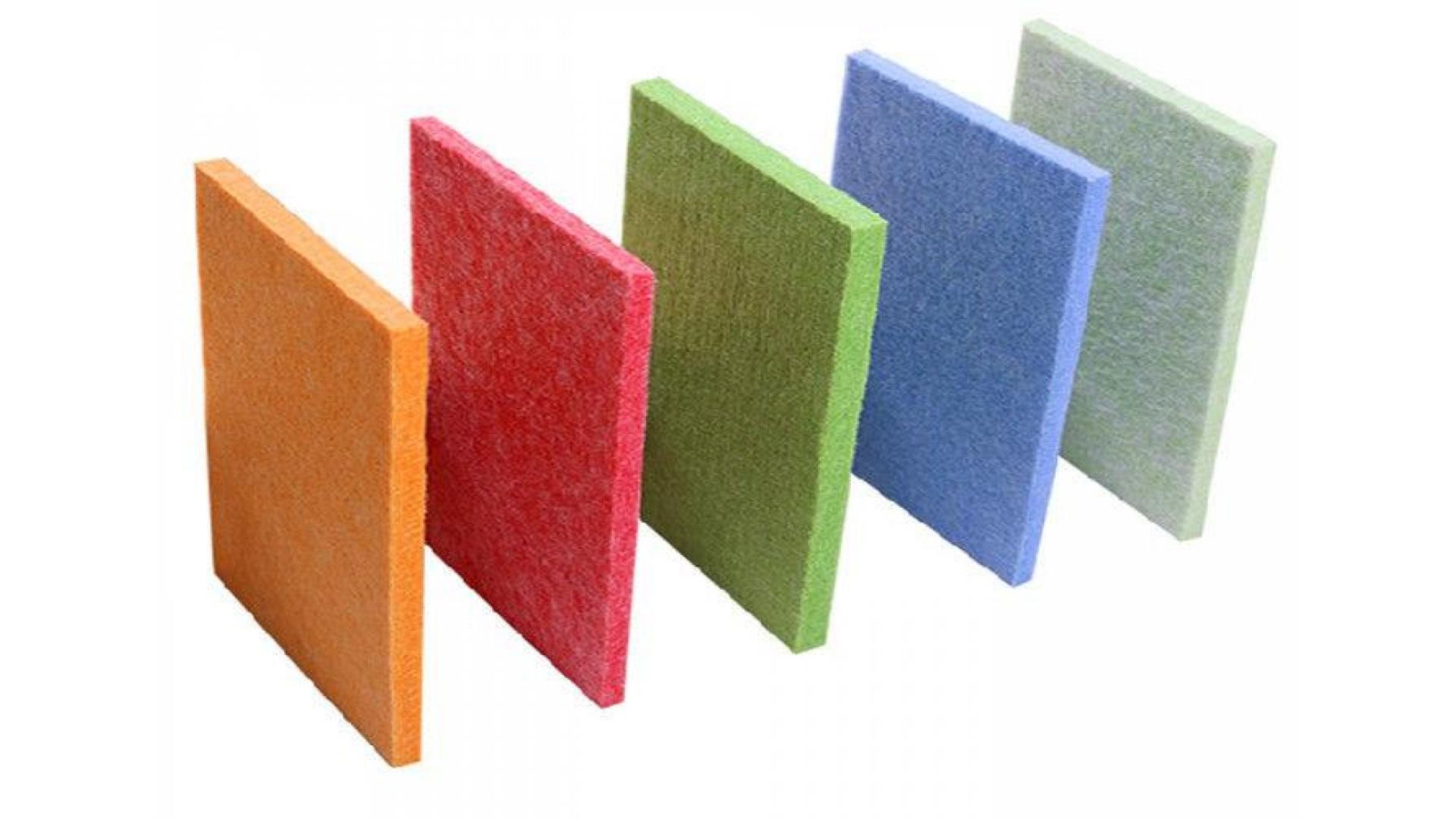
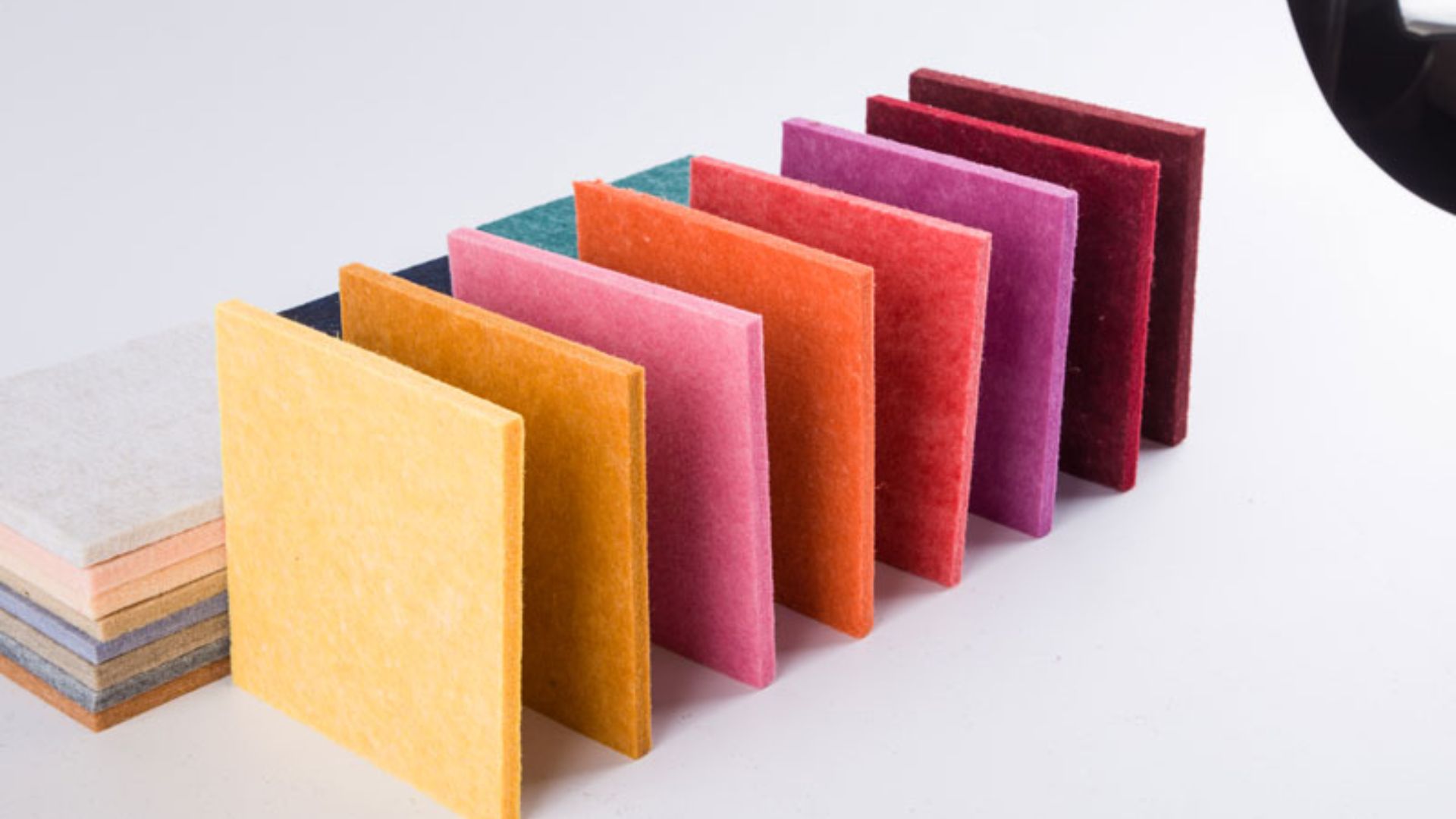
Standard polyester acoustical panels are the most commonly used type. They are made from compressed polyester fibers, which are often derived from recycled plastic bottles, making them an environmentally friendly option. These panels are available in a variety of thicknesses and densities to meet varying acoustic needs.


Features:

Lightweight and easy to install

Available in various colors and finishes

Effective at reducing mid to high-frequency sound reflections

Durable and resistant to moisture and mold


Applications:

Offices

Classrooms

Home theaters

Conference rooms


Decorative Polyester acoustical panels

Decorative polyester acoustical panels combine sound absorption with aesthetic appeal. These panels are meant to enhance the visual attractiveness of a place and provide good sound management. They often come in intricate designs, patterns, and vibrant colors, making them an excellent choice for areas where both acoustics and aesthetics are important.


Features:

Customizable designs and colors

High sound absorption capabilities

Can be used as a design element in interior decoration

Lightweight and easy to install


Applications:

Restaurants

Hotels

Reception areas

Retail spaces


3D Polyester acoustical panels

3D polyester acoustical panels are designed to add a three-dimensional texture to walls or ceilings, creating a visually striking effect while improving acoustics. The three-dimensional shapes can include geometric patterns, waves, or other artistic designs. These panels are particularly effective in breaking up sound waves, thus reducing echoes and reverberation.


Features:

Unique 3D designs for aesthetic appeal

High sound absorption and diffusion properties

Lightweight and easy to install

Durable and easy to maintain


Applications:

Art galleries

Music studios

Auditoriums

Modern office spaces


Baffle Polyester acoustical panels

Baffle polyester acoustical panels are suspended from the ceiling, creating a series of vertical or horizontal baffles that absorb sound from all directions. This type of panel is especially useful in large, open spaces where sound can travel freely, causing excessive reverberation and noise levels.


Features:

Effective at controlling sound in large spaces

Available in various shapes and sizes

Can be personalized with various colors and finishes

Lightweight and easy to install


Applications:

Gymnasiums

Open-plan offices

Exhibition halls

Airports


Perforated Polyester acoustical panels

Perforated polyester acoustical panels are designed with small holes or perforations that enhance their sound absorption capabilities. The perforations allow sound waves to enter the panel, where they are absorbed by the polyester fibers, reducing overall noise levels.


Features:

High sound absorption efficiency

Available in various patterns and colors

Durable and resistant to damage

Lightweight and easy to install


Applications:

Lecture halls

Libraries

Recording studios

Meeting rooms

What Types of Polyester Acoustic Panels Are Available on the Market

Conclusion

Polyester acoustical panels offer a versatile and effective solution for managing sound in a variety of environments. Whether you need standard panels for basic sound absorption, decorative panels for a visually appealing space, or specialized panels like 3D, baffle, or perforated designs, there is a polyester acoustic panel to meet your needs. Their eco-friendly properties, ease of installation, and wide range of design options make them an excellent choice for both residential and commercial spaces. By selecting the right type of polyester acoustic panel, you can significantly improve the acoustic quality of any space while enhancing its aesthetic appeal.

Whisper Quiet: How Soundproofing Foam Spray Can Transform Your Space

How Soundproofing Foam Spray Can Transform Your Space

Introduction

In today’s increasingly noisy world, finding peace and tranquility within our living and working environments has become a challenge. Whether it’s the hustle and bustle of city life, the constant hum of household appliances, or the intrusive sounds of neighbors, unwanted noise can significantly impact our comfort and well-being. Fortunately, there’s a powerful solution that can transform any space into a serene sanctuary: Soundproofing foam spray.

How Soundproofing Foam Spray Can Transform Your Space

The Science of Soundproofing

Before diving into the specifics of soundproofing spray foam, it’s essential to understand the basics of soundproofing. Soundproofing involves blocking, absorbing, or dampening sound waves to reduce noise levels. Effective soundproofing addresses two primary aspects: airborne noise and impact noise. Airborne noise includes sounds like voices, music, and traffic, while impact noise refers to sounds caused by physical contact, such as footsteps or furniture moving.


What is Soundproofing Spray Foam?

Soundproofing spray foam is a versatile and highly effective material designed to combat unwanted noise. It comes in a can and is applied as a spray, which then expands and hardens to create a solid, sound-absorbing barrier. This foam is typically made from polyurethane, which has excellent sound-dampening properties. When sprayed into walls, ceilings, floors, or other surfaces, it fills gaps and cracks, creating a seamless barrier that prevents sound from traveling through.


Benefits of Using Soundproofing Spray Foam


  • Easy Application

One of the most significant advantages of soundproofing spray foam is its ease of application. Unlike traditional soundproofing methods that require extensive construction work, foam spray can be applied quickly and effortlessly. It can reach areas that are otherwise difficult to insulate, such as tight corners and small crevices, ensuring comprehensive coverage.


  • Effective Noise Reduction

Soundproofing spray foam is incredibly effective at reducing noise levels. Its unique composition absorbs sound waves, minimizing echo and reverberation within a room. This makes it an ideal solution for home theaters, recording studios, and offices where clear acoustics are crucial.


  • Thermal Insulation

In addition to its soundproofing capabilities, foam spray also provides excellent thermal insulation. This dual-purpose functionality helps maintain a comfortable temperature in your space, reducing energy consumption and lowering utility bills.


  • Durability and Longevity

  • Once applied, soundproofing spray foam forms a durable barrier that can last for many years. It is resistant to moisture and mold, making it suitable for use in various environments, including basements and bathrooms. Its longevity ensures that you enjoy a quieter space for a prolonged period without the need for frequent maintenance.


  • Versatility

Soundproofing spray foam is incredibly versatile and can be used in a wide range of applications. Whether you want to soundproof a single room or an entire building, it adapts to different surfaces and structures. It can be used in residential, commercial, and industrial settings, providing a flexible solution to noise pollution.


Transforming Your Space with Soundproofing Spray Foam


  • Identify Problem Areas

The first step in soundproofing your space with foam spray is to identify the areas where noise infiltration is most significant. Common problem areas include walls, ceilings, floors, and windows. Once you’ve pinpointed these spots, you can plan your application strategy accordingly.


  • Prepare the Surface

Before applying the foam spray, it’s crucial to prepare the surface. Ensure that the area is clean, dry, and free of dust or debris. This preparation helps the foam adhere better and ensures optimal performance.


  • Apply the Foam Spray

Using the soundproofing spray foam is straightforward. Follow the manufacturer’s instructions for application, which typically involves shaking the can, attaching the nozzle, and spraying the foam into the desired areas. The foam will expand to fill gaps and cracks, creating a solid soundproof barrier.


  • Allow for Curing

After application, allow the foam to cure according to the recommended time frame. This curing process is essential for the foam to harden and form an effective sound-absorbing barrier.


  • Finish and Enjoy

Once the foam has cured, you can finish the surface as desired. This might involve painting, covering with drywall, or leaving it as is. With the soundproofing spray foam in place, you’ll immediately notice a reduction in noise levels, creating a more peaceful and comfortable environment.

How Soundproofing Foam Spray Can Transform Your Space

Conclusion

Incorporating soundproofing spray foam into your space is a transformative step towards achieving a quieter, more serene environment. Its ease of application, effectiveness in noise reduction, and additional benefits like thermal insulation make it a valuable investment for any home or workplace. By addressing the sources of unwanted noise, you can create a sanctuary of peace and productivity, truly experiencing the benefits of a whisper-quiet space.

The Future of Sound: Polyester Acoustic Panels Redefining Spaces

Polyester Acoustic Panels Redefining Spaces

In the quest for an optimal auditory environment, advancements in acoustic technology have consistently pushed the boundaries of what’s possible. Among the latest innovations, acoustic polyester panels stand out as a transformative solution, reshaping our approach to sound management in various spaces. From home studios to large commercial buildings, these panels are setting new standards in acoustic control, offering both aesthetic and functional benefits.

Polyester Acoustic Panels Redefining Spaces

Introduction

The significance of sound in our daily lives cannot be overstated. Whether it’s the clarity of speech in a conference room, the crispness of a musical note in a concert hall, or the tranquility of a quiet home office, the quality of sound profoundly impacts our experiences. Traditional methods of soundproofing and acoustic treatment often fall short in addressing the nuanced demands of modern architecture and design. Enter Polyester Acoustic panels – a revolutionary product that promises to redefine how we manage sound in our environments.


What are Acoustic Polyester Panels?

Acoustic polyester panels are made from high-density polyester fibers, offering a lightweight yet highly effective solution for sound absorption. These panels are designed to reduce noise and control sound reflections, ensuring that sound energy is managed appropriately within a space. The panels are available in various sizes, shapes, and colors, making them a versatile choice for a wide range of applications.


Advantages of Acoustic Polyester Panels


Superior Sound Absorption

One of the primary benefits of acoustic polyester panels is their exceptional sound absorption properties. Unlike traditional materials, polyester panels efficiently absorb sound waves across a broad frequency range. This characteristic makes them ideal for spaces where clear communication and sound quality are paramount, such as offices, classrooms, and recording studios.


Aesthetic Flexibility

Acoustic polyester panels provide great visual flexibility in addition to their functional benefits. They can be customized to fit the design ethos of any space, allowing architects and interior designers to integrate them seamlessly into existing decor. Whether it’s a vibrant office space or a minimalist home studio, these panels can be tailored to match the visual and acoustic requirements perfectly.


Sustainability

In an era where environmental consciousness is crucial, acoustic polyester panels stand out for their sustainability. Made from recycled materials, these panels contribute to reducing waste and promoting eco-friendly building practices. Their durability ensures a long lifespan, reducing the need for frequent replacements and further minimizing environmental impact.


Easy Installation and Maintenance

Acoustic polyester panels are also celebrated for their ease of installation and maintenance. They can be mounted on walls and ceilings with minimal effort, and their lightweight nature means they do not require complex support structures. Additionally, these panels are resistant to moisture and do not degrade over time, ensuring they remain effective and visually appealing for years.


Applications in Modern Spaces


Corporate Environments

In corporate settings, effective communication is vital. Acoustic polyester panels help create an acoustically optimized environment, reducing background noise and enhancing speech clarity. This improvement can lead to more productive meetings, fewer misunderstandings, and a generally more pleasant working environment.


Educational Institutions

Classrooms, lecture halls, and auditoriums benefit greatly from the sound absorption capabilities of polyester panels. By minimizing echo and reverberation, these panels ensure that every word spoken by an instructor is heard clearly, enhancing the learning experience for students.


Entertainment and Hospitality

In the entertainment and hospitality industries, the acoustic quality of a space can significantly influences customer satisfaction. Acoustic polyester panels are used in cinemas, theaters, restaurants, and hotels to create an inviting and acoustically balanced atmosphere. This application not only improves the auditory experience but also contributes to the overall ambiance and comfort of the space.


Residential Spaces

Homeowners are increasingly recognizing the benefits of acoustic polyester panels for creating quiet and peaceful living environments. Whether used in home offices, media rooms, or bedrooms, these panels help to reduce noise pollution and enhance the overall comfort and functionality of the home.

Polyester Acoustic Panels Redefining Spaces

Conclusion

The future of sound management is here, and acoustic polyester panels are at the forefront of this evolution. Their combination of superior sound absorption, aesthetic versatility, sustainability, and ease of use makes them an ideal solution for a wide range of applications. As more people and industries adopt these innovative panels, we can expect a significant improvement in the acoustic quality of our spaces, leading to enhanced experiences and environments that truly redefine the way we perceive sound. The journey towards a more acoustically optimized future is well underway, and acoustic polyester panels are leading the charge.

The Perfect Harmony: Metal Acoustic Panels for Architectural Excellence

Metal Acoustic Panels for Architectural Excellence

In the field of architectural design, maintaining a balance between practicality and visual appeal is frequently very challenging. This quest for harmony becomes particularly intricate when addressing acoustic environments within buildings. However, the advent of Metal Acoustic Panels has revolutionized this aspect of design, offering a seamless blend of form and function. These panels not only enhance the acoustic quality of spaces but also contribute to the overall architectural excellence, creating environments that are both visually striking and acoustically optimized.

Metal Acoustic Panels for Architectural Excellence

Introduction: The Intersection of Design and Acoustics

Modern architecture continually evolves, incorporating advanced materials and innovative solutions to meet the complex demands of contemporary spaces. One critical aspect of these spaces is acoustics, which plays a vital role in the functionality and comfort of an environment. Poor acoustics can lead to a host of issues, including reduced productivity in offices, impaired communication in auditoriums, and an overall decline in user experience.

Acoustic metal panels have emerged as a versatile solution, addressing these challenges with elegance and efficiency. The purpose of these panels is to improve sound clarity by reducing reverberation and echo by dispersing and absorbing sound waves. Their integration into various architectural settings marks a significant step towards achieving perfect harmony between aesthetic and acoustic excellence.


The Aesthetic Appeal of Acoustic Metal Panels

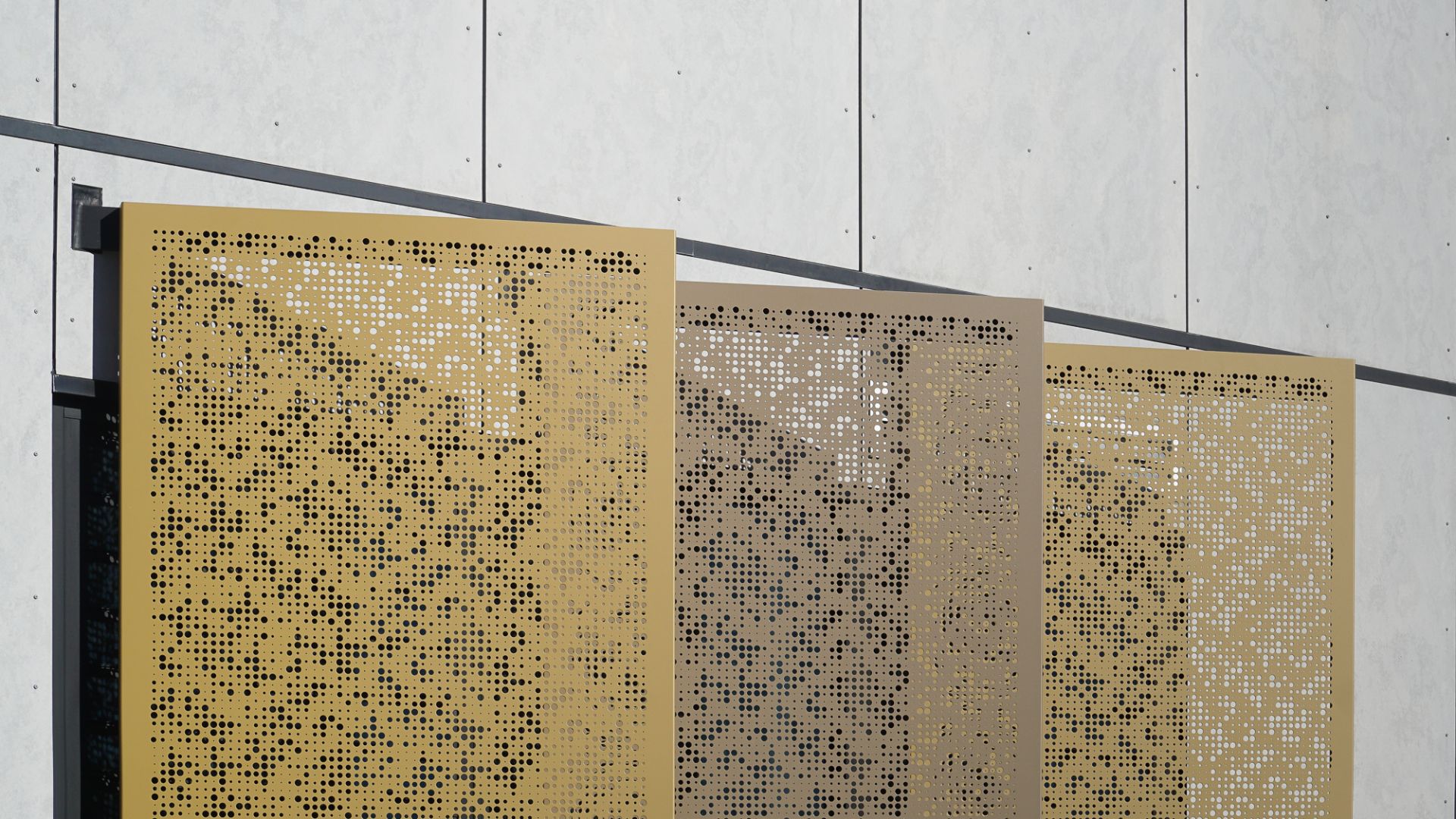
Innovation and the use of materials that are creatively inventive are essential to architectural design. Acoustic metal panels are a testament to this innovation, offering designers a wide array of aesthetic possibilities. Available in various finishes, textures, and perforation patterns, these panels can be customized to align with the specific design ethos of a project.


The sleek, modern look of metal panels adds a sophisticated touch to any space. Whether it’s a corporate office, a cultural institution, or a residential building, these panels can be tailored to enhance the visual appeal while serving their primary acoustic function. The reflective quality of metal surfaces also allows for the incorporation of lighting elements, further amplifying the design potential.


Acoustic Performance: The Core Functionality

The primary function of Acoustic metal panels is to improve the acoustic environment of a space. By absorbing sound waves, these panels lower noise levels and manage reverberation. The result is a clearer, more intelligible sound, which is crucial in environments such as lecture halls, theaters, and open-plan offices.

Acoustic metal panels achieve their sound-absorbing properties through various means, including perforations and the integration of sound-absorbing materials within the panels. The size, shape, and pattern of perforations can be optimized to target specific frequencies, providing tailored acoustic solutions for different types of spaces.


Sustainability and Durability

In addition to their aesthetic and acoustic benefits, Acoustic metal panels are also noted for their sustainability and durability. Metal is a highly durable material, resistant to wear and tear, which ensures that the panels maintain their performance and appearance over time. This longevity makes them a cost-effective solution in the long run.

Moreover, metal is recyclable, aligning with the growing emphasis on sustainable building practices. The use of recyclable materials in construction contributes to reducing the environmental impact, making Acoustic metal panels an environmentally responsible choice.


Versatility in Application


One of the standout features of Acoustic metal panels is their versatility. They can be installed in various configurations, including ceilings, walls, and partitions, making them suitable for a wide range of applications. This flexibility allows designers to address acoustic challenges in different types of spaces without compromising on design integrity.

For instance, in large open areas such as atriums and lobbies, Acoustic metal panels can be strategically placed to manage sound levels and enhance the acoustic comfort. In smaller, more intimate settings like conference rooms or recording studios, these panels can be customized to provide precise acoustic control.


Conclusion: Embracing the Future of Architectural Acoustics

The integration of acoustic metal panels into architectural design represents a significant advancement in creating harmonious, functional, and visually appealing spaces. These panels offer an elegant solution to acoustic challenges, combining cutting-edge technology with modern design sensibilities.

As the demand for acoustically optimized environments continues to grow, the role of acoustic metal panels in architectural excellence becomes increasingly prominent. Their ability to seamlessly blend aesthetics with functionality ensures that they will remain a cornerstone of innovative design, paving the way for spaces that are as acoustically sound as they are visually stunning.

Metal Acoustic Panels for Architectural Excellence

In the pursuit of architectural perfection, acoustic metal panels embody the perfect harmony of beauty and performance, setting a new standard for excellence in the built environment.

Quieting the Chaos: The Science Behind Noise Control Panels

The Science Behind Noise Control Panels

Introduction

In our increasingly noisy world, peace and quiet can often seem elusive. Whether it’s the hum of traffic, the din of industrial machinery, or the buzz of open office spaces, noise pollution is a pervasive issue that impacts our health and productivity. Enter Noise Control Panels: a scientific solution designed to combat unwanted sound and restore tranquility to our environments.

The Science Behind Noise Control Panels

Understanding Noise Pollution

Noise pollution, defined as harmful or annoying levels of noise, affects millions of people daily. The consequences of prolonged exposure to high noise levels are significant, including hearing loss, increased stress, sleep disturbances, and impaired cognitive function. In workplaces, noise can reduce productivity and increase the likelihood of errors, while in residential areas, it can diminish the quality of life.


The Role of Noise Control Panel

Noise control panel, also known as acoustic panels, are specially designed structures that absorb and dampen sound waves, thereby reducing noise levels in a given space. These panels are utilized in various settings, from recording studios and concert halls to offices, factories, and even homes. By understanding the science behind these panels, we can appreciate how they effectively quiet the chaos around us.


The Science of Sound

To grasp how noise control panel work, it’s essential to understand the basics of sound. Sound travels in waves, and when these waves encounter a surface, they can be reflected, absorbed, or transmitted. The effectiveness of a noise control panel lies in its ability to absorb and dampen sound waves, preventing them from reflecting back into the environment and reducing the overall noise level.


Materials and Design

The materials and design of noise control panel are crucial to their functionality. Typically, these panels are made from porous materials such as fiberglass, foam, or mineral wool, which are excellent at absorbing sound waves. The structure of these materials allows sound waves to enter and become trapped, converting the sound energy into a small amount of heat through friction.


Moreover, the design of noise control panel often includes a combination of these materials to maximize their acoustic performance. Panels can vary in thickness, density, and surface texture, each factor contributing to how well they can absorb different frequencies of sound. Thicker and denser panels are generally better at absorbing lower frequencies, while lighter, more porous materials are effective at higher frequencies.


Mechanisms of Noise Reduction


Absorption

Absorption is the primary mechanism by which noise control panel reduce sound levels. When sound waves hit an acoustic panel, the porous material disrupts the waves, causing them to lose energy. This energy is converted into heat through the movement of air particles within the material, effectively dampening the sound.


Diffusion

In addition to absorption, some noise control panels are designed to diffuse sound. Diffusion refers to the scattering of sound waves, breaking them up and reducing their intensity. This is particularly useful in spaces where a uniform distribution of sound is desired, such as in recording studios or performance venues.


Resonance

Certain noise control panel are also engineered to target specific frequencies through resonance. These panels, known as resonant absorbers, are tuned to resonate at particular frequencies, effectively absorbing sound waves that match their resonant frequency. This can be particularly beneficial in environments where specific problematic frequencies need to be addressed.


Applications and Benefits

The applications of noise control panel are vast and varied. In workplaces, they can significantly enhance productivity by creating a quieter, more focused environment. In industrial settings, they help protect workers’ hearing and reduce the risk of accidents. In residential areas, they contribute to a more peaceful living space, improving overall well-being.

Beyond health and productivity benefits, noise control panel also enhance acoustic quality. In spaces designed for music and performance, they can dramatically improve sound clarity and richness. In offices and classrooms, they enhance speech intelligibility, making communication more effective.

The Science Behind Noise Control Panels


Conclusion

Noise control panel represent a sophisticated and effective solution to the pervasive issue of noise pollution. Through the principles of absorption, diffusion, and resonance, these panels can transform noisy environments into havens of tranquility. As we continue to grapple with the challenges of modern living, the science behind noise control panel offers a promising avenue for quieting the chaos and reclaiming peace in our daily lives.

Baffled by Beauty: Discovering the Allure of Ceiling Baffle Panels in Interior Décor

Discovering the Allure of Ceiling Baffle Panels in Interior Décor

Introduction:

In the world of interior design, the ceiling often remains an overlooked element. However, with the advent of innovative solutions like ceiling baffles, this once-neglected space has become a canvas for creativity and acoustic enhancement. Ceiling baffles are not only functional but also add a striking aesthetic element to any room. In this blog, we delve into the allure of ceiling baffles, exploring their benefits, applications, and how they seamlessly blend beauty with functionality.


Discovering the Allure of Ceiling Baffle Panels in Interior Décor


Understanding Ceiling Baffles:

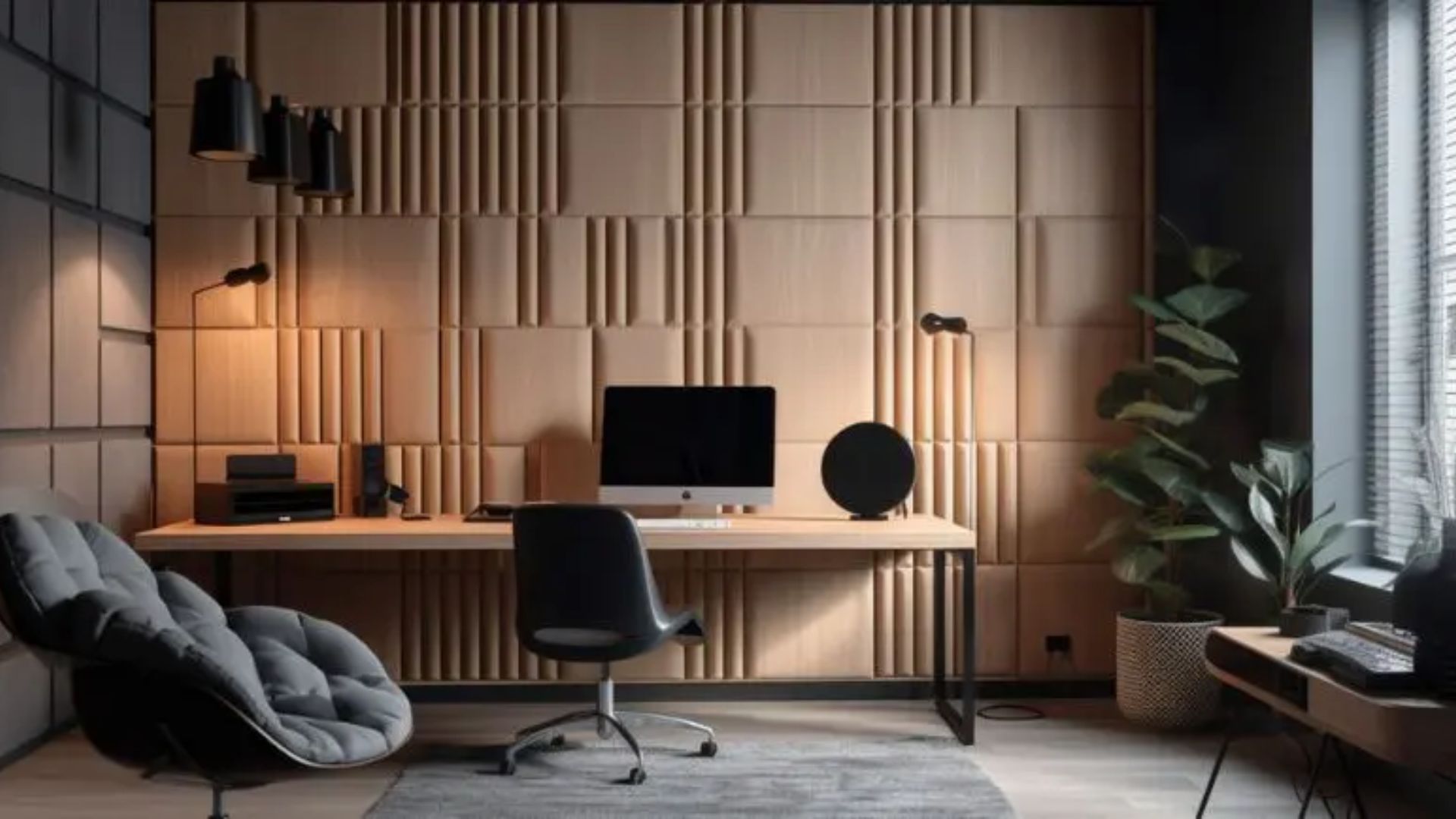
Ceiling baffles are vertically suspended panels that hang from the ceiling, designed to improve the acoustics of a room by absorbing sound waves. These panels come in various shapes, sizes, and materials, making them a versatile choice for enhancing both the visual and auditory experience of a space. Typically made from materials such as foam, fabric, wood, or metal, ceiling baffles can be customized to fit the specific needs and design preferences of any environment.
 

The Acoustic Advantage:

One of the primary benefits of ceiling baffles is their ability to significantly reduce noise levels and control reverberation. In large, open spaces or rooms with hard surfaces, sound waves can bounce around, creating echoes and increasing noise pollution. Ceiling baffles absorb these sound waves, preventing them from reflecting off the ceiling and other surfaces. This results in a clearer, more comfortable auditory environment, which is particularly beneficial in settings such as offices, restaurants, schools, and auditoriums.


Aesthetic Appeal:

Beyond their acoustic benefits, ceiling baffles add a distinct visual appeal to interior spaces. Their suspended design creates a dynamic, three-dimensional effect that can transform the look and feel of a room. Available in a wide range of colors, textures, and patterns, ceiling baffles can be tailored to complement any design scheme. Whether used to make a bold statement with vibrant hues or to blend seamlessly into a minimalist setting, ceiling baffles offer endless possibilities for enhancing the aesthetic value of a space.


Versatility in Application:

Ceiling baffles are incredibly versatile and can be used in various settings to achieve both acoustic and aesthetic goals. In open-plan offices, they help create defined work zones and reduce noise distractions, fostering a more productive environment. In educational institutions, ceiling baffles improve speech intelligibility, enhancing the learning experience for students and teachers alike. In hospitality settings such as hotels and restaurants, they contribute to a pleasant ambiance by controlling noise levels and adding to the overall décor.

 

Sustainability and Design:

Many ceiling baffles are made from eco-friendly materials, aligning with the growing trend towards sustainable design. Recycled and recyclable materials, low-emission manufacturing processes, and the ability to improve indoor air quality by reducing noise pollution all contribute to their environmental benefits. Designers and architects can choose ceiling baffles that not only meet aesthetic and acoustic needs but also support sustainable building practices.


Installation and Maintenance:

Installing ceiling baffles is relatively straightforward and can be customized to fit the specific dimensions and requirements of a space. They can be suspended individually or in clusters to create various patterns and effects. Maintenance is typically minimal, requiring only periodic dusting or vacuuming to keep them looking their best and functioning effectively.


Discovering the Allure of Ceiling Baffle Panels in Interior Décor

Conclusion:

Ceiling baffles offer a perfect blend of form and function, making them an ideal choice for modern interior décor. Their ability to enhance acoustics while adding a unique visual element makes them a valuable addition to any space. Whether you’re looking to create a quieter, more comfortable environment or to add an artistic touch to your interiors, ceiling baffles provide a versatile and stylish solution. Embrace the allure of ceiling baffles and transform your spaces from ordinary to extraordinary, enjoying the benefits of both beauty and tranquility. 

From Chaos to Calm: The Science Behind Noise Control Panels

The Science Behind Noise Control Panels

Introduction:

In an increasingly noisy world, finding ways to create calm and peaceful environments has become essential. Whether it’s in homes, offices, schools, or public spaces, the constant barrage of unwanted noise can lead to stress, distraction, and decreased productivity. Enter noise control panels, a sophisticated solution designed to transform chaotic environments into serene havens. In this blog, we explore the science behind Noise Control Panels, examining how they work, their applications, and the benefits they offer in various settings.


The Science Behind Noise Control Panels


Understanding Noise Control Panels:

Noise control panels, also known as acoustic panels, are specialized materials designed to absorb, diffuse, or block sound waves, reducing noise levels within a space. These panels are typically made from materials with high sound absorption coefficients, such as foam, fiberglass, mineral wool, or fabric-wrapped composites. The effectiveness of noise control panels lies in their ability to manage sound energy, preventing it from bouncing off surfaces and creating unwanted echoes or reverberations.


The Science of Sound Absorption:

The primary function of noise control panels is to absorb sound waves. When sound waves encounter these panels, their energy is converted into a small amount of heat through a process called viscous friction. This occurs as the sound waves travel through the porous materials of the panels, where the friction between the air particles and the panel material dissipates the sound energy. This process reduces the amplitude of the sound waves, effectively lowering the overall noise level in the environment.


Diffusion and Sound Quality:

In addition to absorption, noise control panels can also diffuse sound. Diffusion involves scattering sound waves in multiple directions, which helps to create a more uniform sound field within a space. This is particularly beneficial in environments where sound clarity and quality are crucial, such as recording studios, concert halls, and lecture rooms. By reducing direct reflections and echoes, diffusion enhances speech intelligibility and the overall auditory experience.


Applications Across Various Settings:

The versatility of noise control panels makes them suitable for a wide range of applications. In residential settings, they help homeowners create peaceful living spaces by reducing noise from traffic, neighbors, and household activities. In offices, noise control panels contribute to a quieter, more productive work environment by minimizing distractions and improving speech privacy. Educational institutions benefit from these panels by creating acoustically optimized classrooms and lecture halls that enhance learning and communication. Additionally, noise control panels are essential in healthcare facilities, where they contribute to a restful and healing atmosphere for patients and staff.

Benefits of Noise Control Panels:

The benefits of noise control panels extend beyond mere noise reduction. By improving acoustic conditions, these panels enhance concentration, productivity, and overall well-being. In workspaces, they facilitate clearer communication and reduce the strain of constant noise exposure on employees. In residential areas, they help create sanctuaries of calm where individuals can relax and rejuvenate. Furthermore, noise control panels can add an aesthetic element to interiors, available in various designs, colors, and finishes to complement any décor.


The Science Behind Noise Control Panels


Conclusion:

From chaos to calm, noise control panels play a vital role in creating serene and acoustically balanced environments. The science behind these panels involves the strategic management of sound energy, using absorption and diffusion to mitigate unwanted noise. As a result, noise control panels enhance the quality of life in homes, improve productivity in offices, foster better learning in educational institutions, and support healing in healthcare settings. By understanding and utilizing the science behind noise control panels, we can transform our noisy world into a more harmonious and tranquil place.