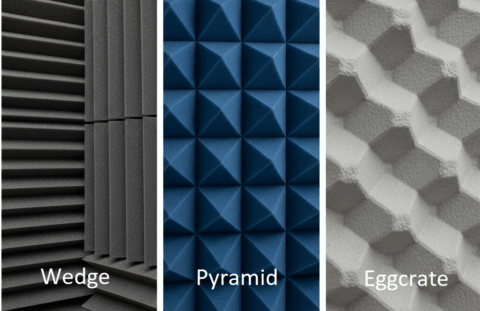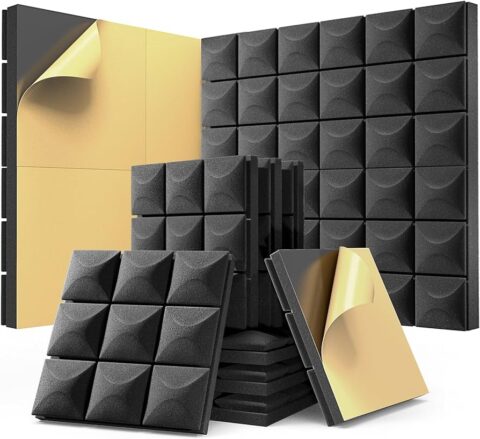

Are you a podcaster, streamer, or serious gamer? You know the frustration. Your expensive microphone picks up everything. It picks up the echo of your voice, your PC hum, and room noise. Buying Acoustic Foam Panels is only the first step. Smart placement is the real secret to clear vocals and immersive audio.
This guide gives you a clear plan. Set up your Acoustic Foam Panels to cut echo. This will reduce room noise. You will get professional, studio-quality sound that keeps listeners engaged.
The First Rule: Absorption, Not Soundproofing
Know the mission before you fit your first panel. Acoustic Foam Panels are for sound absorption. They stop reflections (echo/reverb) in your room. This improves the sound quality inside. They are not soundproofing. They will not stop a neighbor’s dog or traffic noise. You are stopping the reflections that make your voice sound hollow or muddy.
Why Placement is More Important than Quantity
Placing panels randomly in a small room is wasteful. You do not have to cover every square inch. Focus your panels on key spots. This stops the first and worst reflections from hitting your microphone. This targeted method gives you the biggest audio quality increase for your money.
Finding the Sweet Spot: The First Reflection Points
The most important part of a foam setup is treating the first reflection points. This is where sound from your mouth hits a wall or ceiling. It then bounces directly into your microphone.
1. Marking Side Wall Reflection Points
These reflections ruin clarity and stereo imaging. They make your voice sound “smeared.”
The Mirror Trick:
-
Sit in your usual spot.
-
Ask a friend to hold a small flat mirror against the wall next to your microphone.
-
Have your friend slide the mirror along the wall.
-
Stop when you can see the microphone (or your mouth) in the mirror.
-
That is your first reflection point. Mark it.
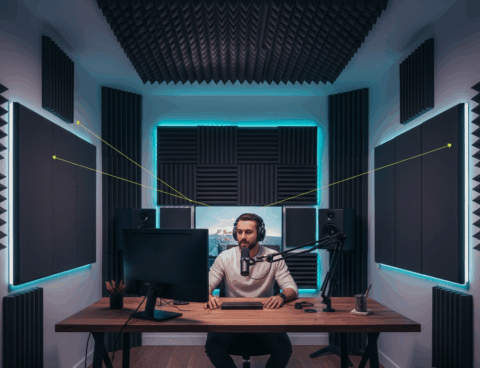
The Solution: Install one large Acoustic Foam Panel on the left and right walls. Place it at that marked point. If you use speaker monitors, repeat this for the reflection points of both speakers.
2. The Ceiling Reflection Point
The ceiling is often overlooked. It is a damaging reflection surface. This is very true in low-ceiling rooms.
Locating the Spot: The spot is usually over your head. It might be slightly in front of your head. Sit in your chair. Have your friend hold the mirror on the ceiling. They move it until you see the microphone.
The Solution: Install a ceiling cloud. This is a panel or set of panels. Suspend it 2-4 inches below the ceiling over this point. Suspending the panels creates an air gap. This air gap improves their absorption. It works well on lower-mid frequencies.
Advanced Placement: Behind the Microphone and Monitors
You have tamed the first reflections. Now, focus on areas that add noise to your microphone.
3. The Wall Behind the Microphone
This is very important for podcasters and vocalists. Sound does not just move forward. It also moves backward. It hits the wall behind the mic. It then reflects into the back of the mic.
Placement Strategy: Cover a large area of the wall behind you. Install panels in at least a 3-foot by 3-foot area. Center this area behind your head. This setup cuts down the direct rear reflection. It gives you a tighter, purer vocal sound.
4. Monitor Area Treatment (For Gamers and Producers)
Gamers often have large monitors. The rigid screen is a large reflector. It bounces sound at your walls.
Placement Strategy: Put two smaller panels behind the monitor. Put them on the wall spaces to each side of the monitor. This absorbs sound reflecting off the screen. It stops new, complex reflections. This targeted method is key to a good foam setup for streaming.
Dealing with Bass and Corner Issues
Acoustic Foam Panels are not made to stop low-frequency buildup. You can still reduce some buildup in small, square rooms.
5. Corner Bass Traps (The Thickness Factor)
Low-frequency sound waves build up in the corners of your room. Thin foam cannot solve this.
The Solution: You need specific Bass Traps. These are very thick pieces of foam (often 8 inches thick). Or, use packed foam that fits in the corners. These are called dihedral corners. Install these in the corners closest to your microphone and speakers. This placement helps control low-end sound in a small room.
Final Checklist for Your Acoustic Foam Panels Placement
Your goal is to get maximum sound clarity. You do this by stopping the first sound reflections. Use this final checklist:
-
Sides: Use the mirror trick. Treat the reflection points on each side of your mic or listening position.
-
Ceiling: Have a suspended panel (cloud) hung over your head.
-
Rear Wall: Cover the wall behind your head or mic with a large panel. This controls rear reflection.
-
Corners: Place special Bass Traps (thick foam) in the front two corners. This tightens up any boominess.
This clear guide for installing Acoustic Foam Panels helps you. Your investment will give your audience a high-quality sound experience.